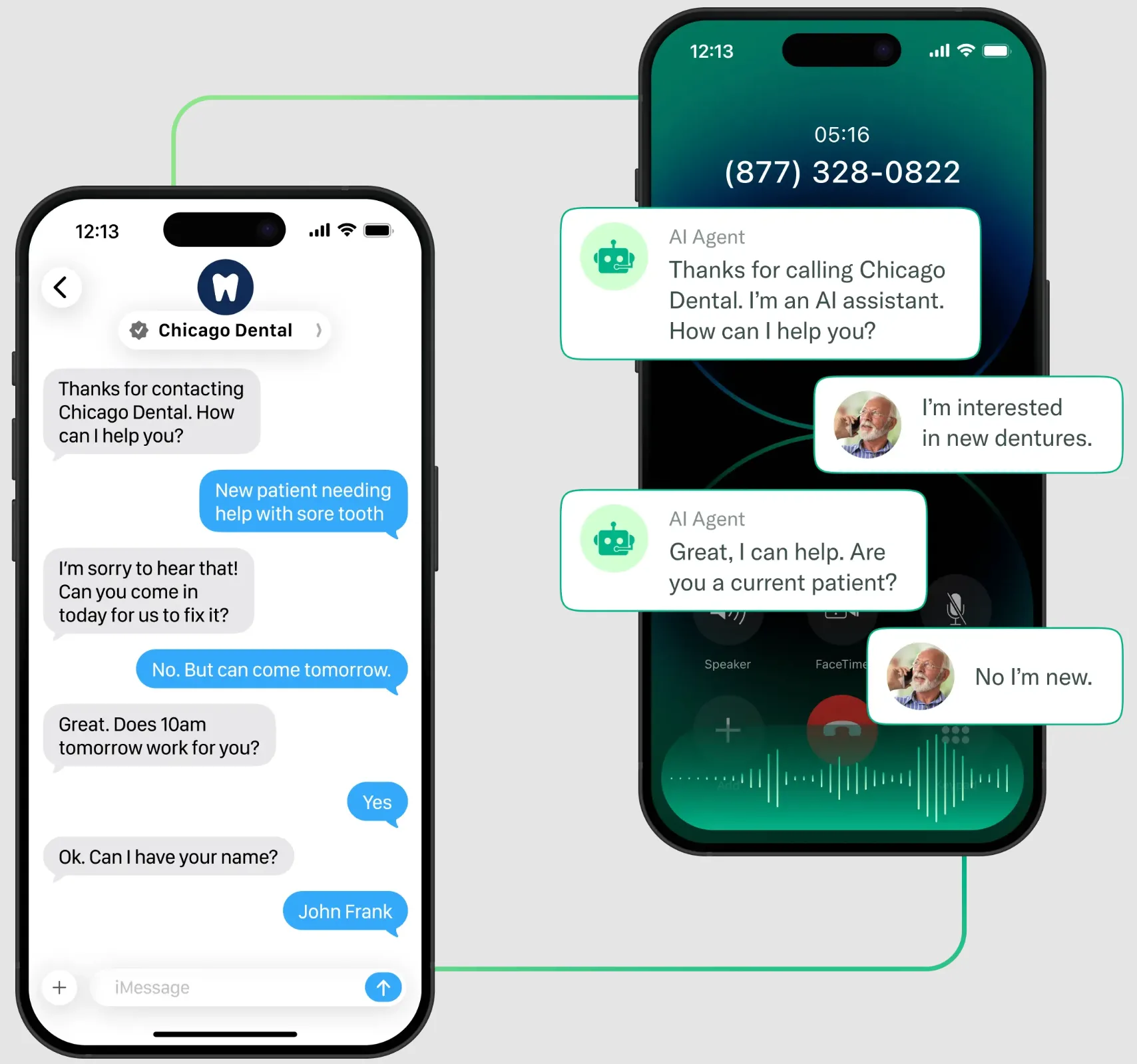
For many patients, the front door of a health system is still a telephone line. Staffing shortages and long hold times mean some callers give up before booking, and each abandoned call can represent lost care and lost revenue. Invoca, a company known for analyzing phone conversations, now wants to answer those calls with AI agents that can book appointments directly into clinical scheduling systems.
The company's October 20 launch brings that ambition to five electronic health record platforms. The integrations are vendor-announced capabilities, so the meaningful evaluation happens in deployment: accuracy, safety and the experience of the patient on the line.
In This Deep Dive
- Why this matters now
- What actually happened
- The obvious read versus the deeper signal
- Taxonomy: Three front doors for patients
- The evidence ladder: From transcription to write access
- The HealthTech Investor's Signal
- Governance priorities
- Forward Intelligence: Four developments to watch
- The Bottom Line for Health System Operations Leaders
Why this matters now
Contact centers are expensive to staff and difficult to keep staffed, and health systems run on thin margins. Patient portals were expected to absorb scheduling demand, but a large share of specialty appointments are still arranged by phone, particularly among patients who are older or less comfortable with apps.
A system that can hold a natural phone conversation, apply provider scheduling rules and write a confirmed booking into the EHR would address both access and cost. It would also take on real risk: a misunderstood symptom or a misallocated slot is a clinical problem, not a customer-service metric. That is why the governance design matters as much as the conversational quality.
What actually happened
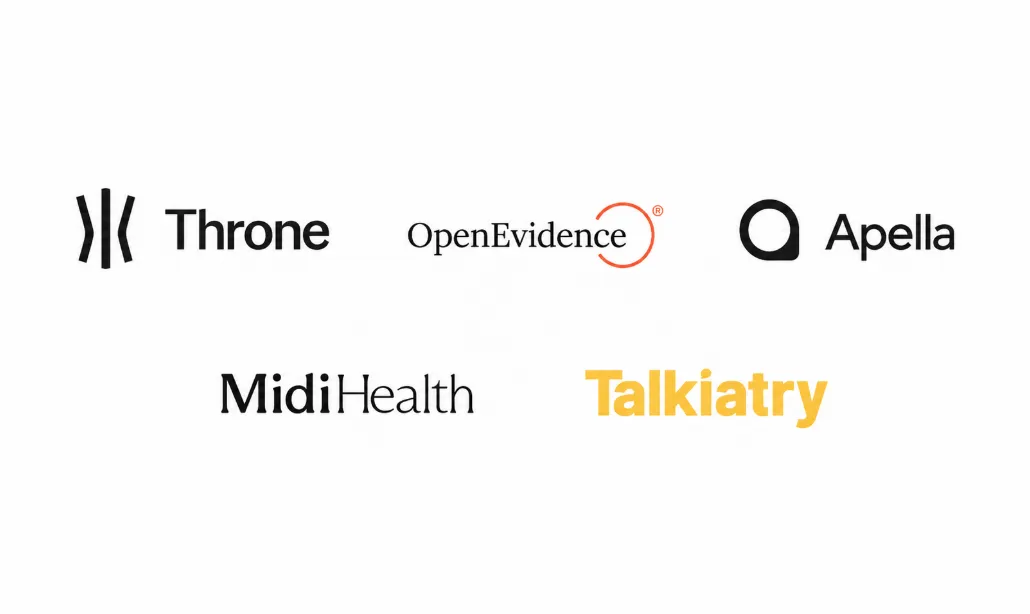
Invoca announced on October 20, 2026 a healthcare offering that pairs its conversation data and AI with scheduling agents integrated with Epic, athenahealth, eClinicalWorks, NextGen Office and ModMed. The company describes agents that conduct multi-turn phone and messaging conversations, match patients to appropriate providers and appointment types, and book, reschedule or cancel visits through the EHR connection.
Two qualifications apply. First, these capabilities are described by the vendor; independent measurement of booking accuracy or patient outcomes is not yet available. Second, a supplied briefing cites a 46% dropped-call baseline across US health systems; we could not verify that figure and have not relied on it.
The obvious read versus the deeper signal
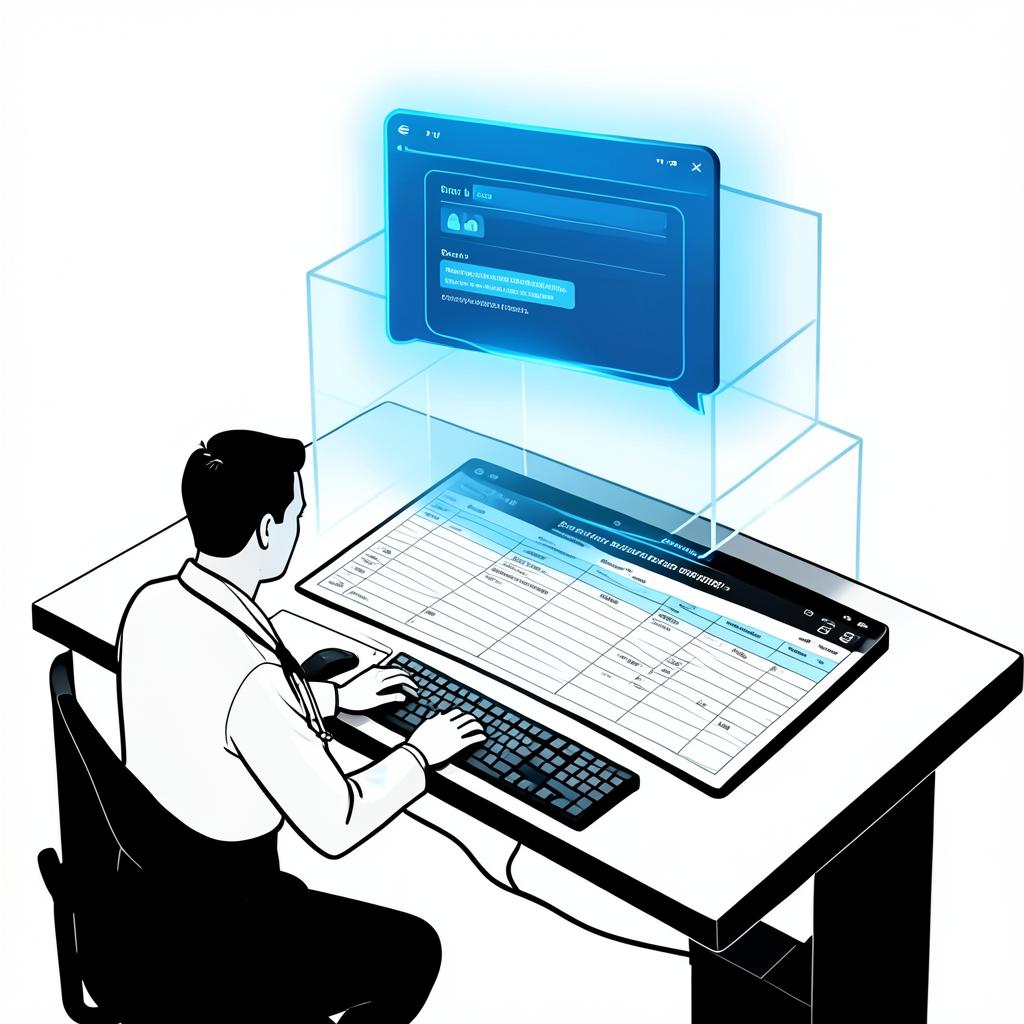
The obvious story is automation of a hospital call center. The deeper signal is a shift in where healthcare AI earns its place: from tools that document care, where features are quickly absorbed into the EHR, to systems that perform revenue-bearing workflow directly inside enterprise software.
Write access is the dividing line. Reading a schedule is a technical integration; writing into it is an operational responsibility that health systems grant carefully. Vendors that earn and keep that permission accumulate something harder to copy than a language model, namely certified integrations and the trust of clinical operations teams.