Last week we covered Isomorphic Labs' $5 billion round and asked the obvious question: what will a company that has not yet named a drug do with that much money? Part of the answer arrived on November 19. MSD signed Isomorphic to design small molecules against a cancer target, bringing its own proprietary data to Isomorphic's design engine.
Five days later, Leash Biosciences raised $11 million to build something less glamorous but just as important: the experimental data that AI scientists need to learn from and be tested against. And today we report AstraZeneca's $200 million, five-year commitment to Tempus data. Read together, the week's deals show AI drug discovery moving from fundraising headlines to contracts, and the bottleneck moving to data.
The model is not the moat. The moat is the data you can feed it and the lab results that tell you whether it was right.
In This Deep Dive
- Why this matters now
- What actually happened
- The obvious read versus the deeper signal
- Historical playbook
- The world forming around AI drug design
- Category map and taxonomy
- Evidence Ladder
- Regulation and the data question
- Capital flows and bottom-up economics
- The HealthTech Investor's Signal
- Counter-thesis
- Forward Intelligence
- The Bottom Line for R&D Leaders and Investors
Why this matters now
AI drug design has attracted enormous capital this year. StartUp Health's weekly funding roundup dated November 24 listed Isomorphic's $5 billion round and Boltz's $110 million round led by Bessemer Venture Partners. Investors now want to see pharma pay for the output.
Pharma deals are that test. When a company like MSD commits its proprietary data and a strategically important target, it signals that the AI partner's designs are worth internal resources. Milestones and royalties then tie the AI company's revenue to drug success rather than software seats.
The data question is the other half. Models trained on public structures and literature hit limits on novel targets. Proprietary pharma data and new experimental data, the kind Leash produces, are what let models improve on the problems that matter.
Tier A (fact) for deal terms and rounds as announced. Tier B (interpretation) for the market framing.
What actually happened
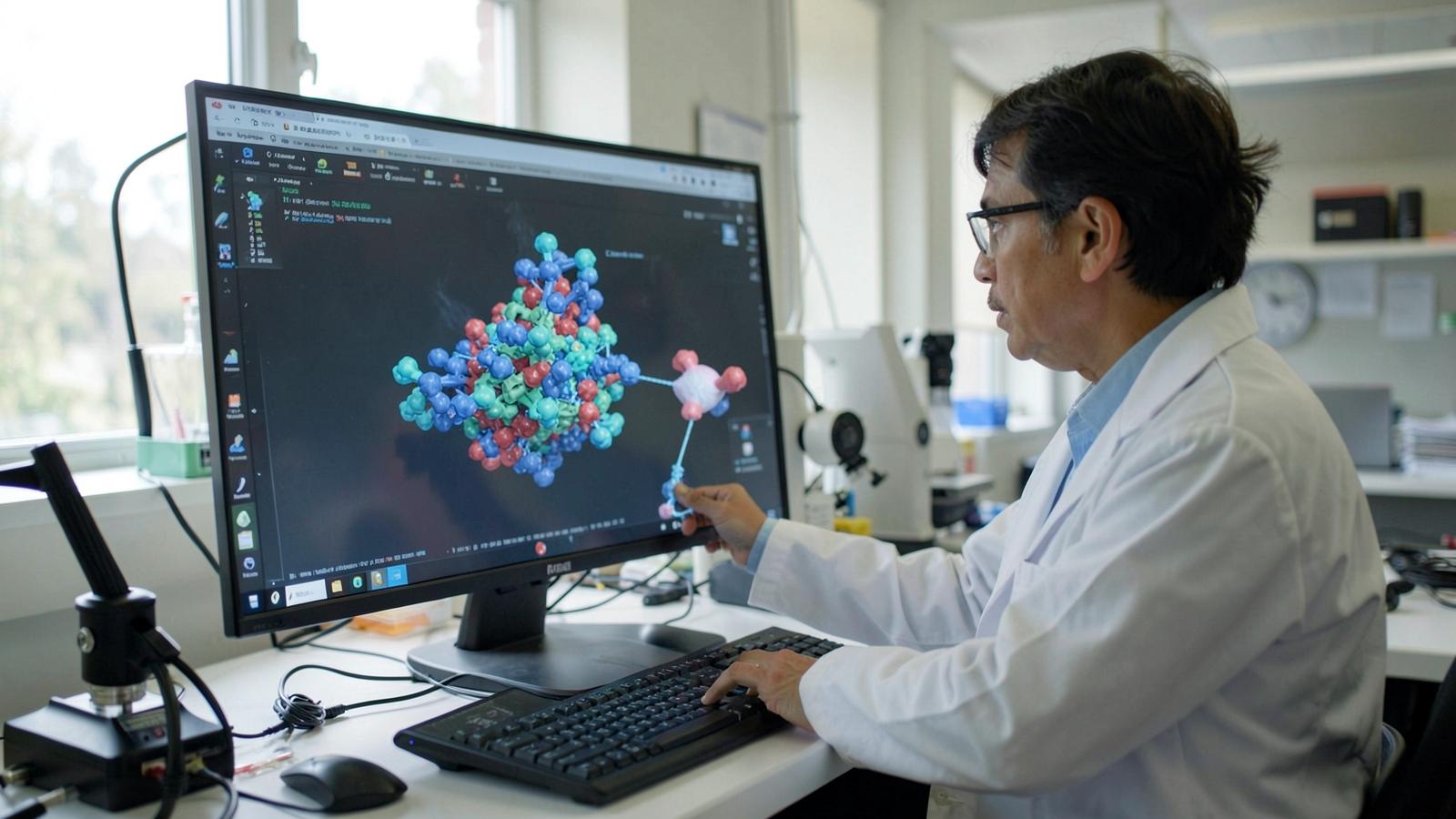
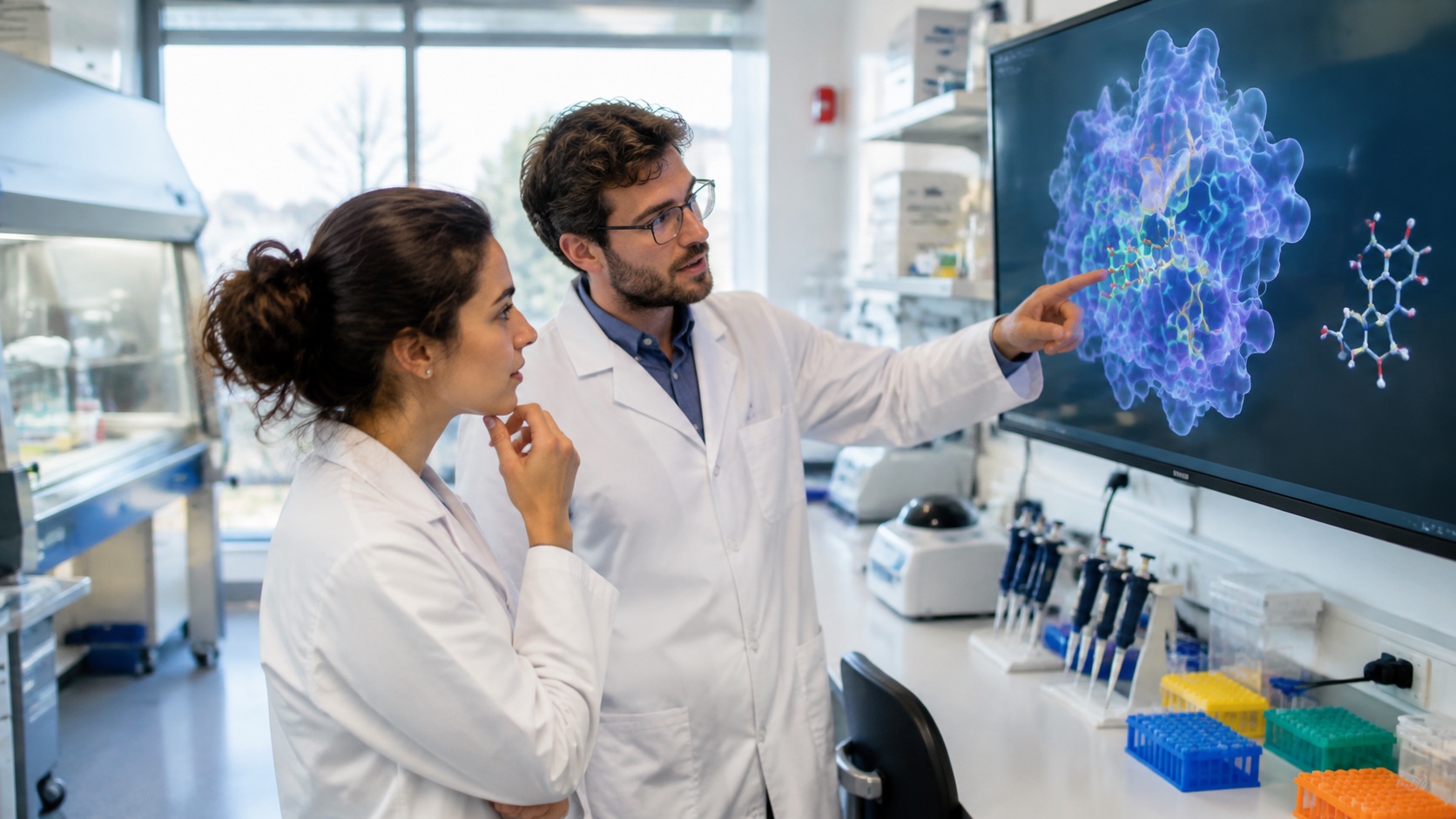
- Isomorphic and MSD: On November 19, the companies announced a research collaboration to discover small-molecule candidates against an oncology target of strategic importance. Isomorphic performs in silico predictions and delivers molecular designs using its IsoDDE engine, incorporating select high-quality proprietary datasets supplied by MSD.
- The split: MSD is responsible for preclinical and clinical development, manufacturing and commercialisation. Isomorphic receives an upfront payment, milestone payments and tiered royalties, plus an option to co-fund development in return for higher royalties.
- The voices: George Addona, senior vice president and head of discovery, preclinical development and translational medicine at MSD Research Laboratories, said success depends on close coordination of wet-lab and dry-lab functions. Sarah Skerratt, chief research officer at Isomorphic Labs, said the collaboration would apply the generative and predictive power of IsoDDE to a challenging programme.
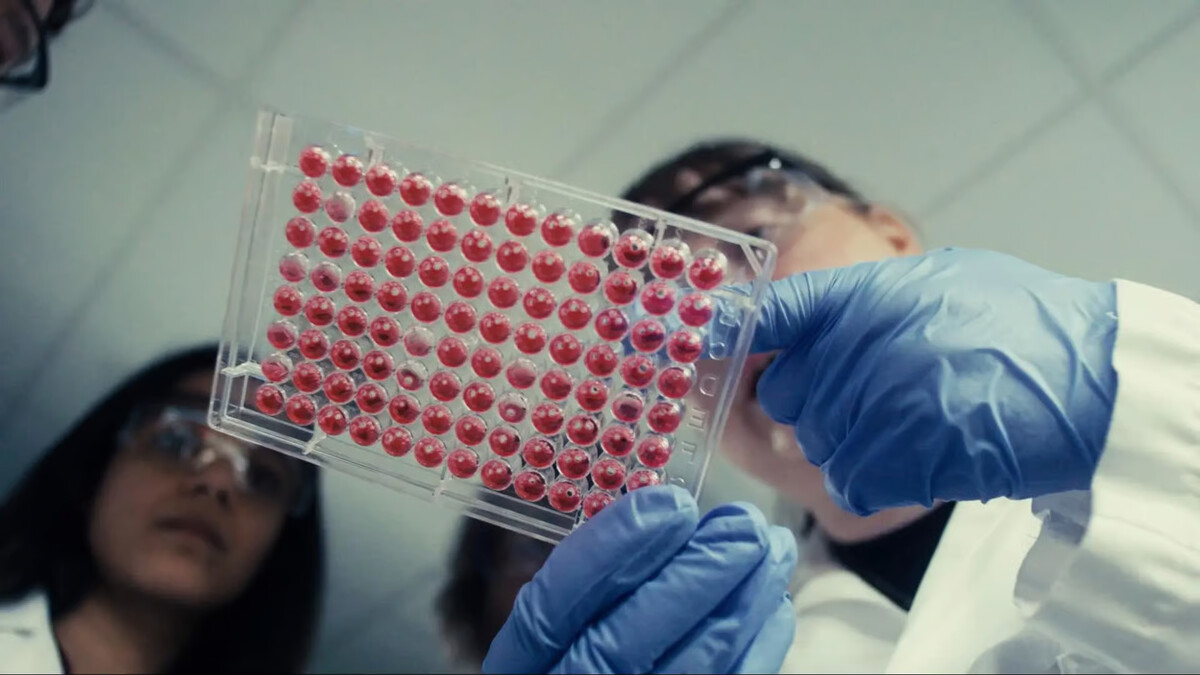
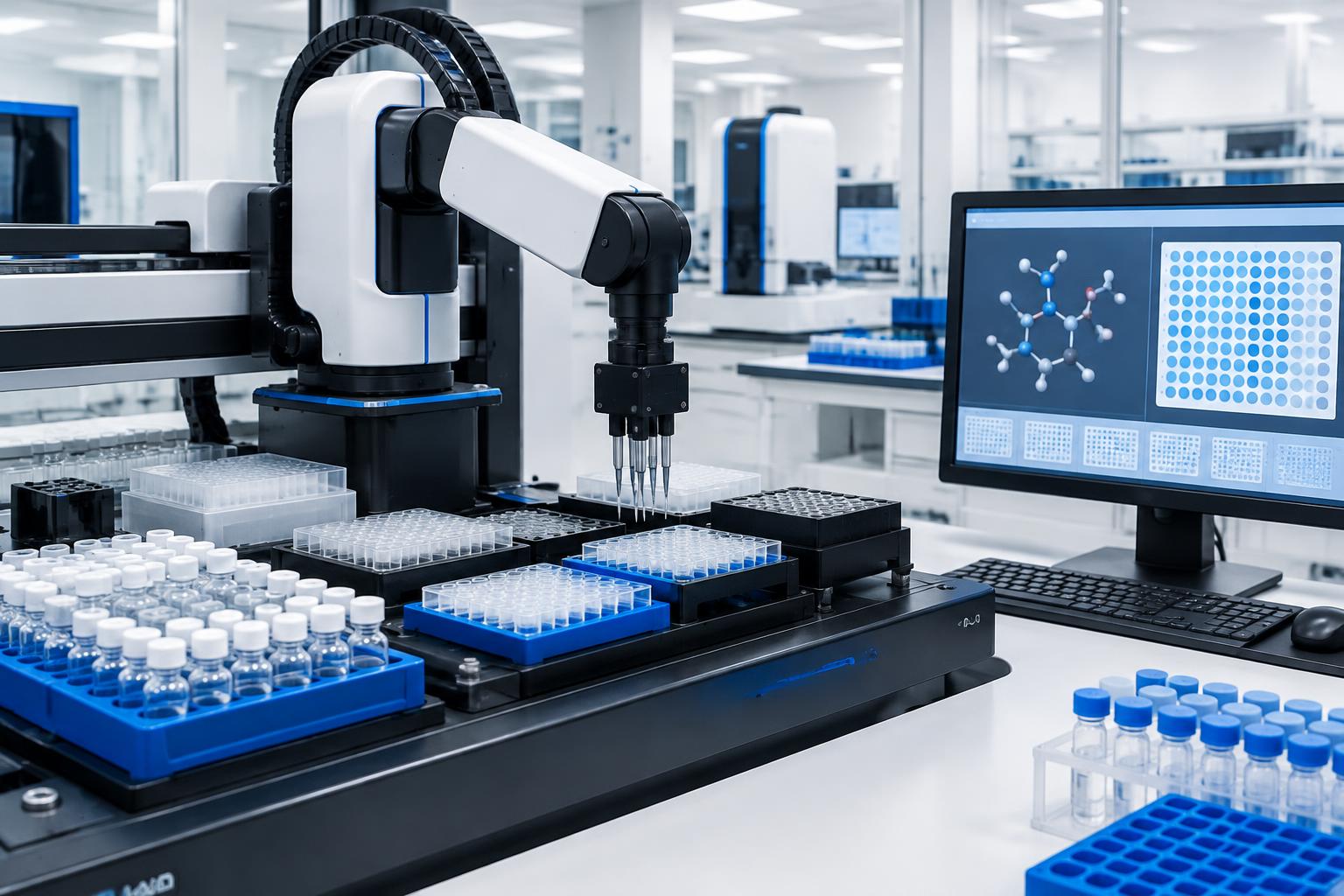
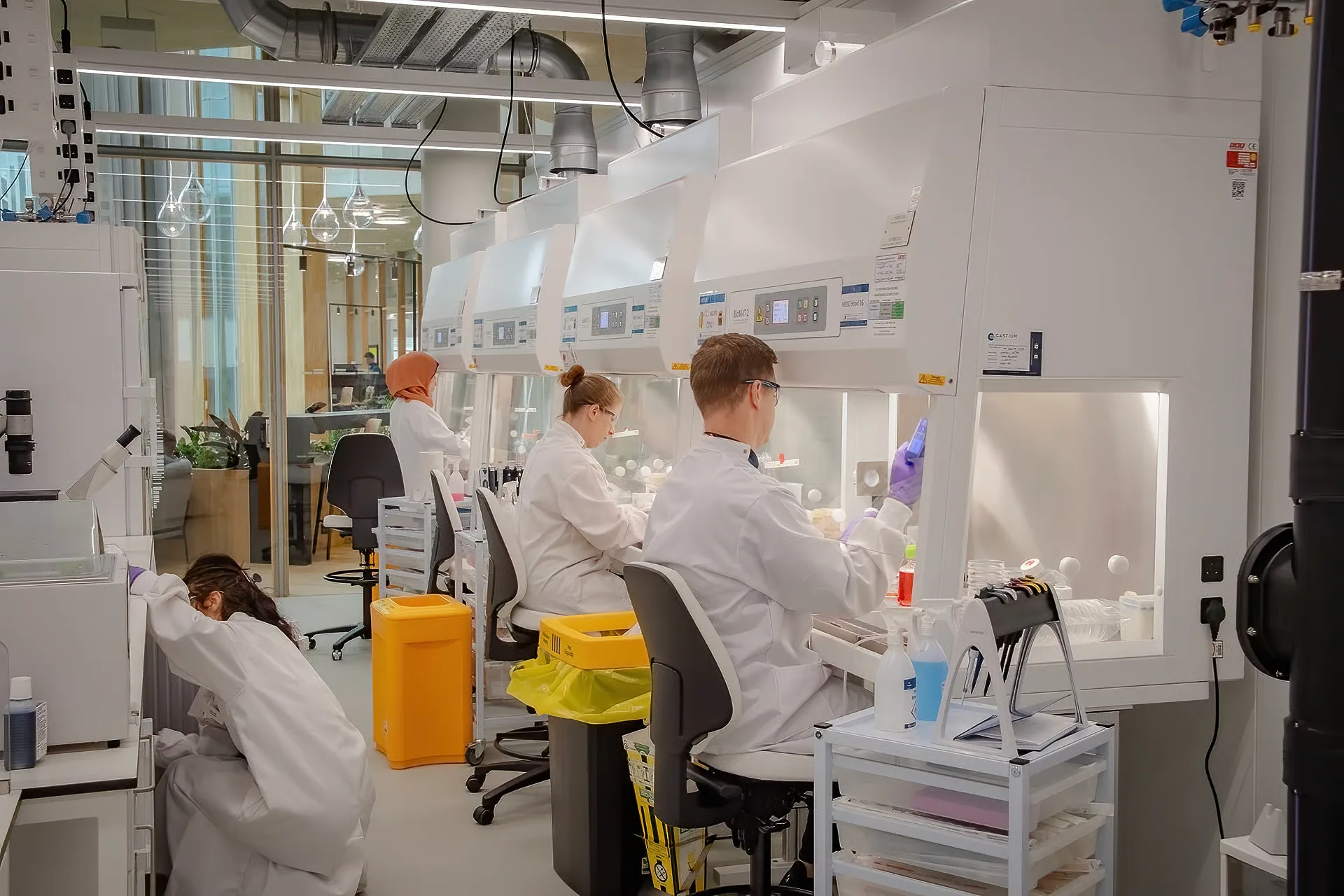
- Leash Biosciences: On November 24, the Salt Lake City company raised an $11 million seed round co-led by Innovation Endeavors and Insight Partners to expand automated experimental data production and training and evaluation environments for AI in chemistry and biology. CEO and co-founder Ian Quigley describes it as a school for AI scientists.
Pharma target and data AI design engine Molecules made and tested Pharma develops candidate
Tier A (fact) as stated in MSD's and Leash Biosciences' announcements.
The obvious read versus the deeper signal
The obvious read: Another AI drug discovery partnership with undisclosed terms.
The deeper signal: The deeper shift is in who brings what. MSD brings proprietary data and the target; Isomorphic brings the engine and keeps an option to co-invest. That co-funding option matters: with $5 billion in the bank, Isomorphic can take more risk and more value per programme, moving from service provider toward co-developer.
Tier B (interpretation).
Historical playbook
Computational chemistry has promised to speed drug discovery for decades. Structure-based design, virtual screening and physics-based simulation each helped, but rarely changed the economics of the industry, because the hard part, clinical success, stayed hard.
Deep learning changed protein structure prediction, and companies such as Isomorphic Labs, led by CEO Sir Demis Hassabis and President Max Jaderberg, were founded to turn that into drug design. The business model that followed was familiar from earlier waves: partner with pharma for upfront fees, milestones and royalties while building an internal pipeline.
What is different now is scale and data. Funding rounds are larger, models more general, and the focus has moved to data that models cannot get from public sources. Last week we covered Illumina's billion-cell atlas for virtual cell models; this week, MSD's proprietary datasets and Leash's experiment engine show the same push.
The world forming around AI drug design
Three kinds of companies are converging. AI-first designers such as Isomorphic and Boltz build general models. Data generators such as Leash produce experimental measurements at scale. Data platforms such as Tempus license patient-level clinical and molecular records, as AstraZeneca's commitment shows. Pharma companies are buying from all three.
Consolidation is following. Yesterday we reported Schrödinger's acquisition of ENPICOM for its antibody discovery software. Expect more deals where computational companies buy data or wet-lab capacity, and where pharma signs multi-year commitments rather than single projects.