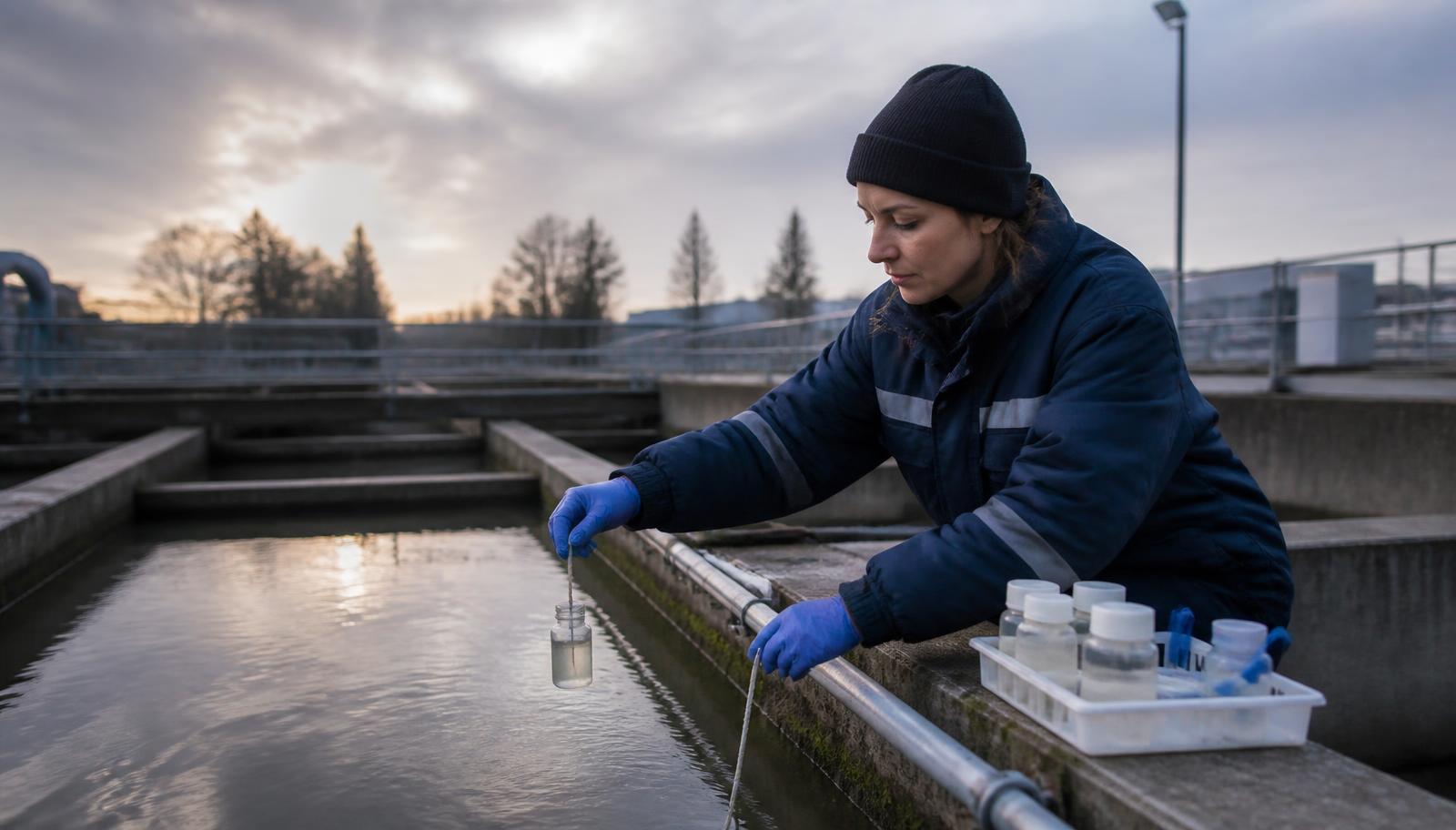
A public health laboratory director in the Midwest told me last spring that her team no longer waits for a clinical case count to know a respiratory season is turning. She watches the wastewater dashboard first. That shift, from clinical reporting as the primary signal to environmental sampling as the leading indicator, is now being written into federal contracting language rather than left to grant cycles and pilot budgets.
The Centers for Disease Control and Prevention has issued a presolicitation for a nationwide wastewater surveillance program covering routine and emerging infectious disease pathogens. The scope goes beyond the SARS-CoV-2 tracking that built the National Wastewater Surveillance System, known as NWSS, during the pandemic. The new contracting approach asks bidders to build relationships with utilities and testing sites that can scale up or down depending on the pathogen of concern, rather than standing up a new sampling network each time a new threat appears.
From Emergency Tool to Standing Program
NWSS started as an emergency response measure. CDC and its partners, including academic groups such as Stanford and Emory that pioneered much of the assay and modeling work, have spent the years since demonstrating that sewage sampling detects disease trends before clinicians see a rise in cases. That lead time, often one to two weeks depending on the pathogen and sampling frequency, is the entire value proposition. It gives health systems and public health departments a window to move staff, order supplies, or issue guidance before an emergency department surge arrives.
What changed by 2026 is durability. A CDC-authored account of the program's history, published this September in Emerging Infectious Diseases, describes a deliberate multi partner effort to keep the system running as a routine public health asset rather than a wind down after the acute phase of the pandemic passed. The presolicitation for scalable, routine and emerging pathogen coverage is the contracting expression of that decision. It signals that Congress and CDC leadership expect wastewater monitoring to be funded as ongoing infrastructure, similar to how flu surveillance or foodborne illness tracking are funded, rather than as a one time pandemic appropriation.
Why the Genomic Layer Matters More Than the Headline Number
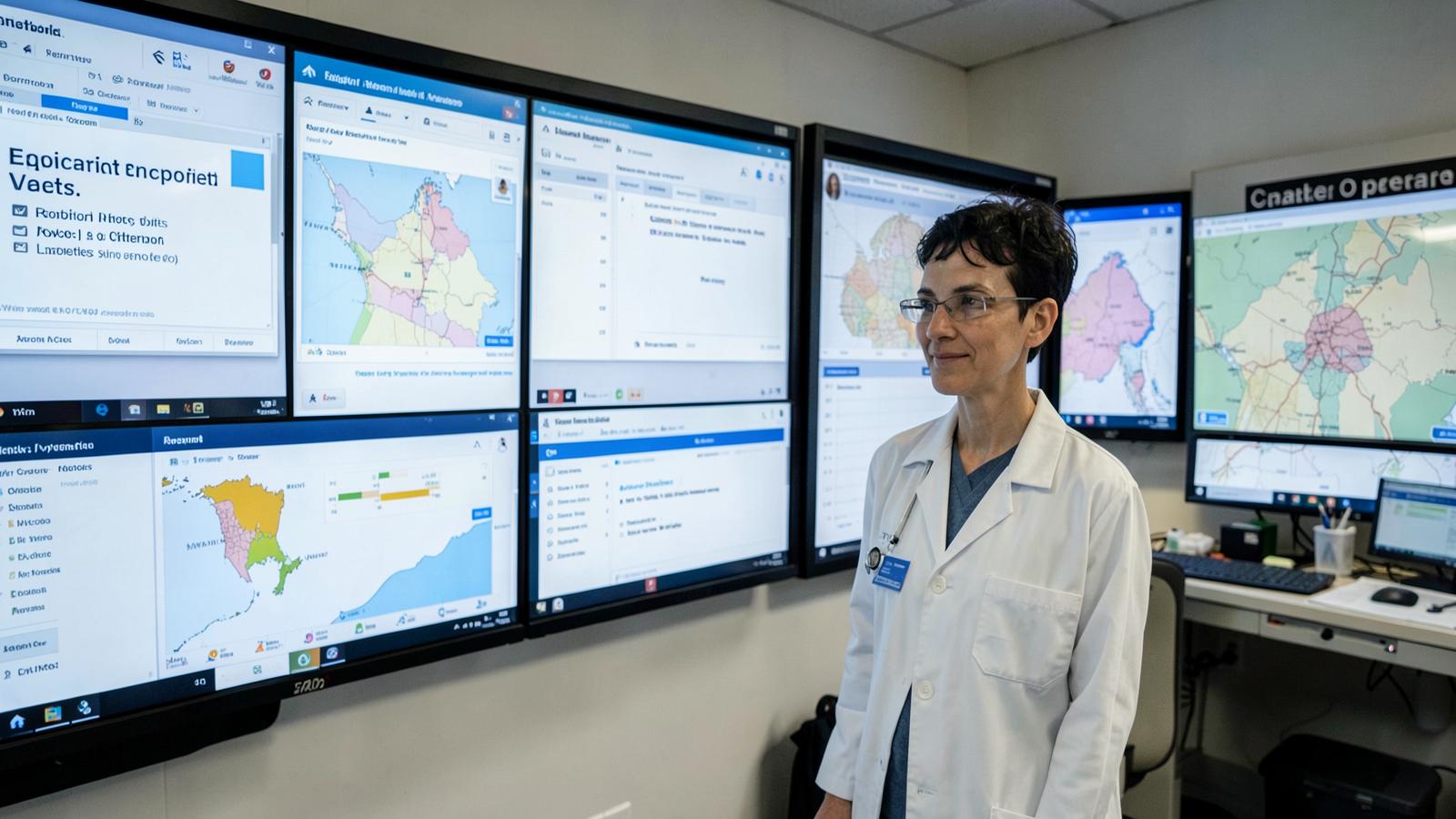
The operationally interesting part for healthtech companies is not the existence of the program, it is the genomic sequencing layer sitting on top of the raw detection signal. Detecting a pathogen's genetic material in sewage tells a health department that something is circulating. Sequencing that material tells them which variant, and increasingly, whether it carries mutations associated with altered transmissibility or with reduced response to existing therapeutics. CDC's public wastewater materials describe this layered approach explicitly, framing the program as one that lets clinicians and members of the public understand community level disease trends before those trends show up in hospital data.
For companies building bioinformatics pipelines, this creates real demand for standardized reporting formats that can move from a treatment plant sample through a laboratory information system into a public dashboard within days. The federal solicitation language calling for a scalable, nationwide contractor relationship suggests CDC wants one or a small number of vendors capable of managing that pipeline consistently, rather than the patchwork of academic partnerships and state specific vendors that characterized the early NWSS rollout. That is a meaningful shift in market structure. Smaller regional labs that built expertise during the pandemic will need to decide whether to compete for prime contractor status, subcontract under a larger player, or specialize in a niche such as agricultural runoff or airport based sampling.
The State and Local Layer Still Needs Investment
None of this works without state and local health departments willing and able to collect and transmit samples reliably. CDC's own program materials note that wastewater monitoring depends on partnerships with local health authorities and utilities, many of which operate with thin technical staff. The multi partner account published this month names state epidemiologists and city health officials, including from Louisiana and Rhode Island, as central to keeping sampling networks intact through funding transitions. That detail matters because it is a reminder that the technology layer, however sophisticated, sits on top of a workforce and logistics layer that is easy to underfund.
Operators selling into this space should expect procurement to favor vendors who can demonstrate not just assay accuracy but reliability of the full chain, from sample collection through data transmission to public reporting, sustained across a funding cycle rather than a single grant period. The presolicitation's emphasis on scalability suggests CDC has learned from the early pandemic period, when capacity that surged for one pathogen was hard to redirect toward the next.

What This Means for Screening and Early Warning More Broadly
Wastewater surveillance sits inside a larger trend toward population level, always on monitoring that complements rather than replaces individual screening programs. The same logic that makes sewage sampling useful for infectious disease, catching a signal before individuals present for care, is being explored for other public health targets, including antimicrobial resistance markers and, in limited pilot work, indicators relevant to substance use trends. None of that is mature enough to warrant strong claims yet, but the infrastructure being built now, standardized sampling protocols, sequencing pipelines, and public dashboards, is reusable across those future applications. That reusability is the real long term asset here, more than any single pathogen detection capability.
Key Signals
CDC's move to a scalable, nationwide wastewater surveillance contract marks the transition of environmental monitoring from pandemic emergency measure to standing public health infrastructure. The genomic sequencing layer built on top of basic detection is where the durable technical value sits, and it is where bioinformatics vendors should focus. State and local health departments remain the operational bottleneck, and vendors who can guarantee reliable sample to dashboard pipelines across funding cycles will have an advantage in the coming procurement round. The broader lesson for founders is that population scale early warning infrastructure, once built for one pathogen, tends to get reused for the next public health question that comes along.