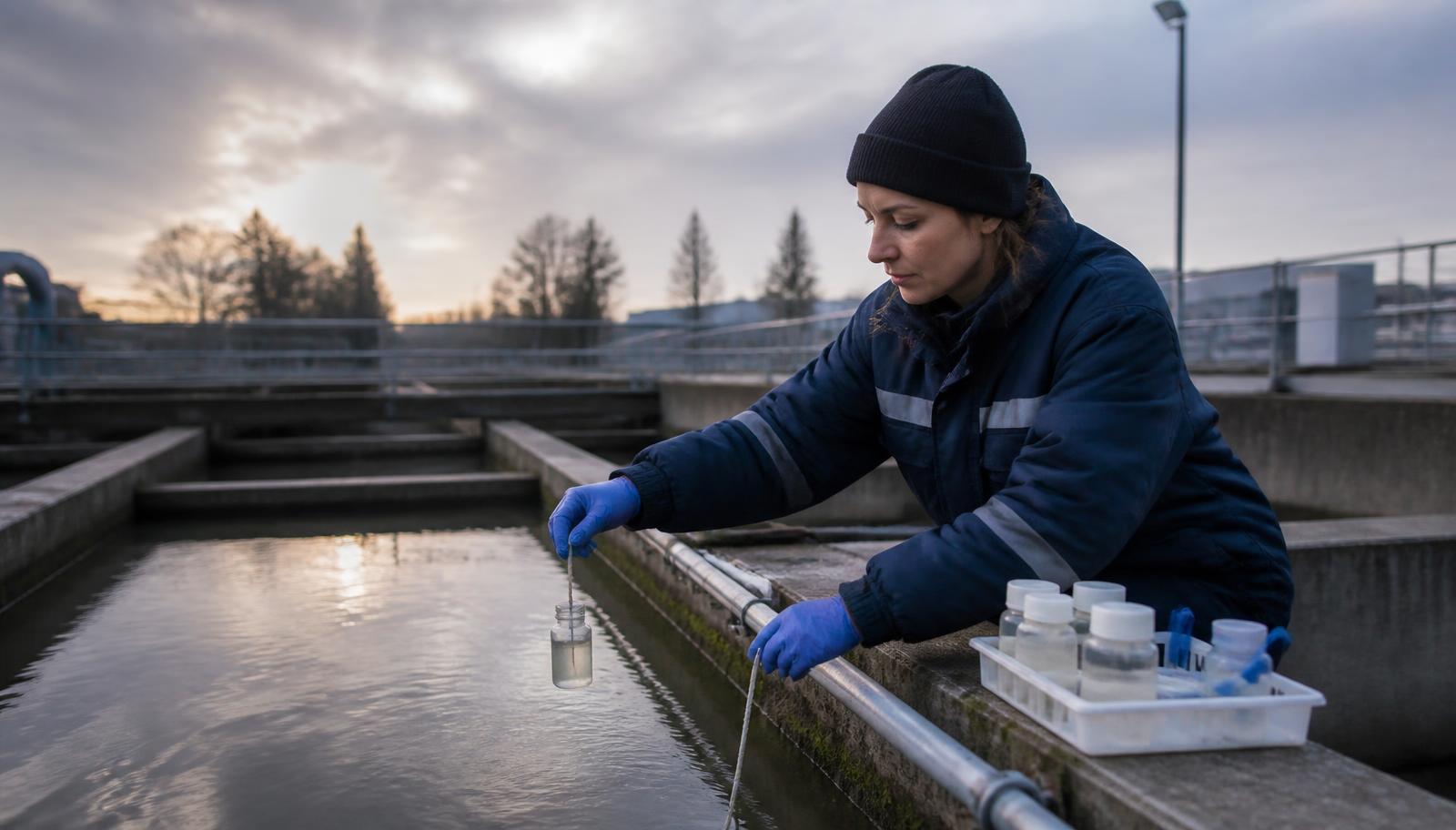
A sampling technician crouched beside a manhole cover before dawn used to be the entire picture of environmental disease surveillance. That scene still happens every week in hundreds of cities, but it is increasingly paired with something new: fixed sensors that sit inside sewer infrastructure and stream basic chemical and biological indicators continuously, rather than waiting for a technician to collect a grab sample and drive it to a laboratory.
The shift is incremental rather than dramatic, and public health officials are careful to describe it that way. Continuous sensors do not replace laboratory grade pathogen sequencing, which still requires a physical sample and skilled analysis. What the sensors add is a coarser but much faster layer of information, flagging changes in flow, temperature, or general biological load that can tell an operations team when it is worth pulling an extra sample outside the normal weekly schedule. That capability matters most during the early days of an unusual event, when the difference between a three day and a seven day detection window can shape how a hospital system prepares.
Filling the Gaps Between Scheduled Samples
Most municipal wastewater programs still operate on a fixed cadence, often once or twice a week, driven by laboratory capacity and budget rather than epidemiological ideal. That cadence works reasonably well for tracking a known, slow moving trend like a seasonal respiratory virus, but it is a poor fit for catching a sudden localized spike tied to a single facility or neighborhood. Continuous sensors placed upstream of a treatment plant, closer to individual sewer sheds, give health departments a way to see which part of a city is driving a citywide trend without commissioning an expensive full network of daily laboratory samples.
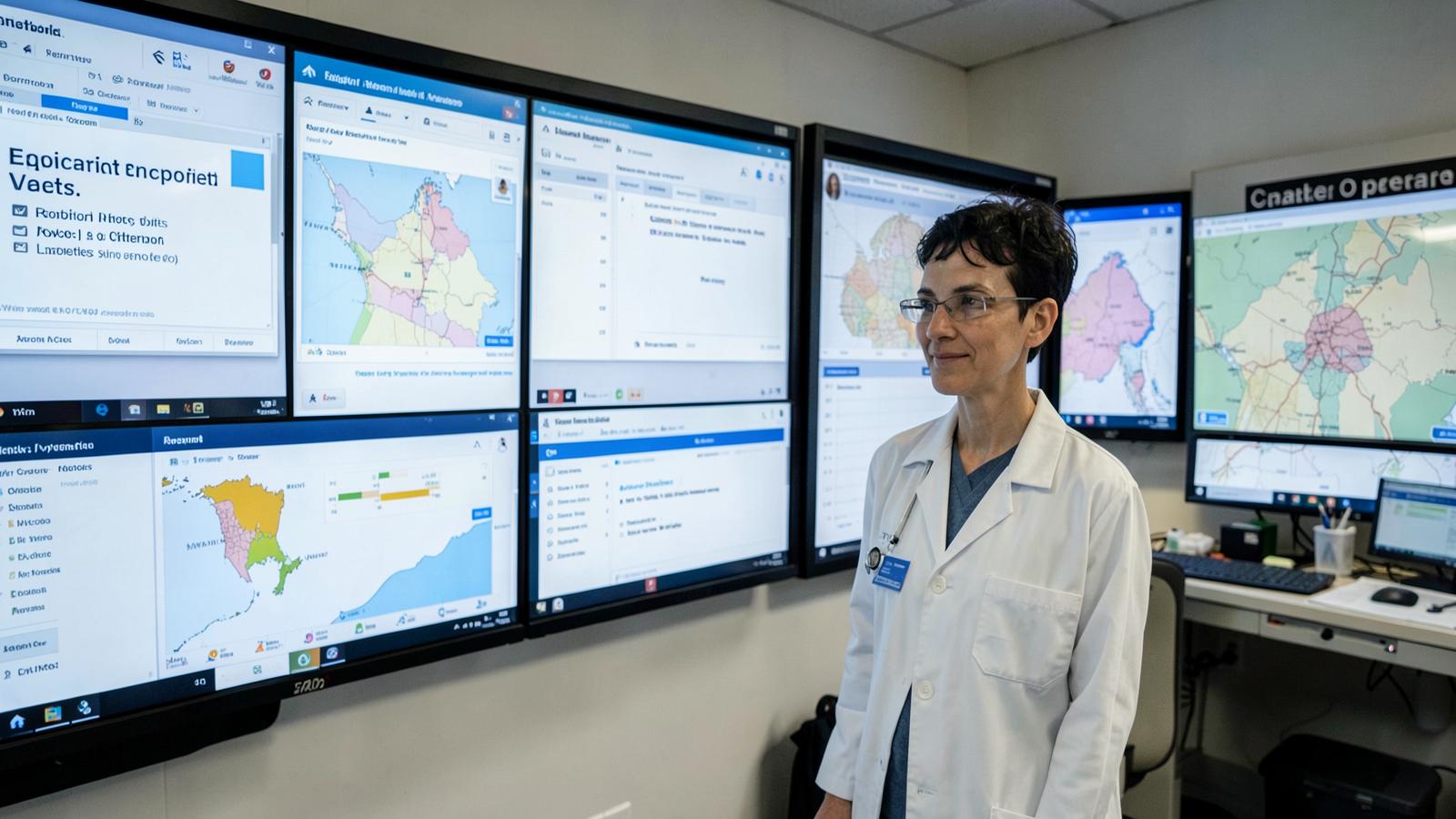
Several regional health departments have begun piloting this layered approach, treating the continuous sensor data as a triage tool rather than a diagnostic one. When a sensor shows a sustained deviation from baseline, the response is not a public alert but a decision to increase laboratory sampling frequency in that specific sewer shed for a limited period. That workflow keeps laboratory costs manageable while still shortening the time between an unusual signal appearing and a confirmed, sequenced result reaching an analyst's desk.

The Data Integration Problem Nobody Solved Yet
The harder problem, according to people building these systems, is not the sensor hardware itself but the software layer that has to reconcile two very different kinds of data streams. Laboratory results arrive in batches, days after collection, with high specificity about which pathogen or variant was present. Sensor data arrives continuously, in near real time, but only measures general proxies for biological activity rather than confirming a specific pathogen. Building a dashboard that presents both without confusing an analyst, or worse, without triggering an unnecessary public alert based on a proxy signal that later turns out to be unrelated to any pathogen of concern, requires careful design and a fair amount of restraint in how alerts are worded.
Vendors selling into this space have generally converged on a two tier presentation, showing the continuous sensor trend as a background layer and reserving prominent alerts for confirmed laboratory results. That design choice reflects hard lessons from the early pandemic years, when premature or poorly explained wastewater signals sometimes generated public confusion before a laboratory confirmation was available. Health departments now tend to hold continuous sensor data closer, using it internally to guide sampling decisions rather than publishing it directly to the public in raw form.
What This Means for Smaller Jurisdictions
Smaller counties and rural health departments have historically been left out of the wastewater surveillance expansion because they lack the treatment plant infrastructure and staff to run a full sampling program. Continuous sensors, which require less ongoing labor once installed, are one of the few paths that make environmental surveillance financially plausible for these jurisdictions. A county that cannot afford weekly courier trips to a state laboratory can still install a modest sensor network and use it to decide when a laboratory trip is actually worth the cost, effectively rationing scarce laboratory capacity toward the moments it is most likely to matter.
That rationing logic is likely to shape procurement decisions through the rest of 2026, as state health departments decide how to allocate limited surveillance budgets across urban centers that already have laboratory infrastructure and rural counties that have almost none. The technology itself is not the limiting factor at this point. The limiting factor is deciding, across a state with uneven resources, which communities get continuous monitoring first and which continue to rely on the traditional scheduled sampling model.
Key Signals
Continuous environmental sensors are becoming a practical complement to scheduled wastewater sampling, giving health departments a faster but coarser signal that helps them decide when to spend limited laboratory capacity on confirmatory testing. The central technical challenge is not the sensor hardware but building software that can present continuous proxy data alongside slower, more specific laboratory results without generating premature public alerts. Smaller and rural jurisdictions stand to benefit disproportionately from this shift, since continuous sensors lower the ongoing labor cost that has historically excluded them from environmental surveillance programs. The open question through the rest of 2026 is how state health departments will allocate surveillance budgets between well resourced urban systems and under resourced rural counties now that a lower cost entry point exists.