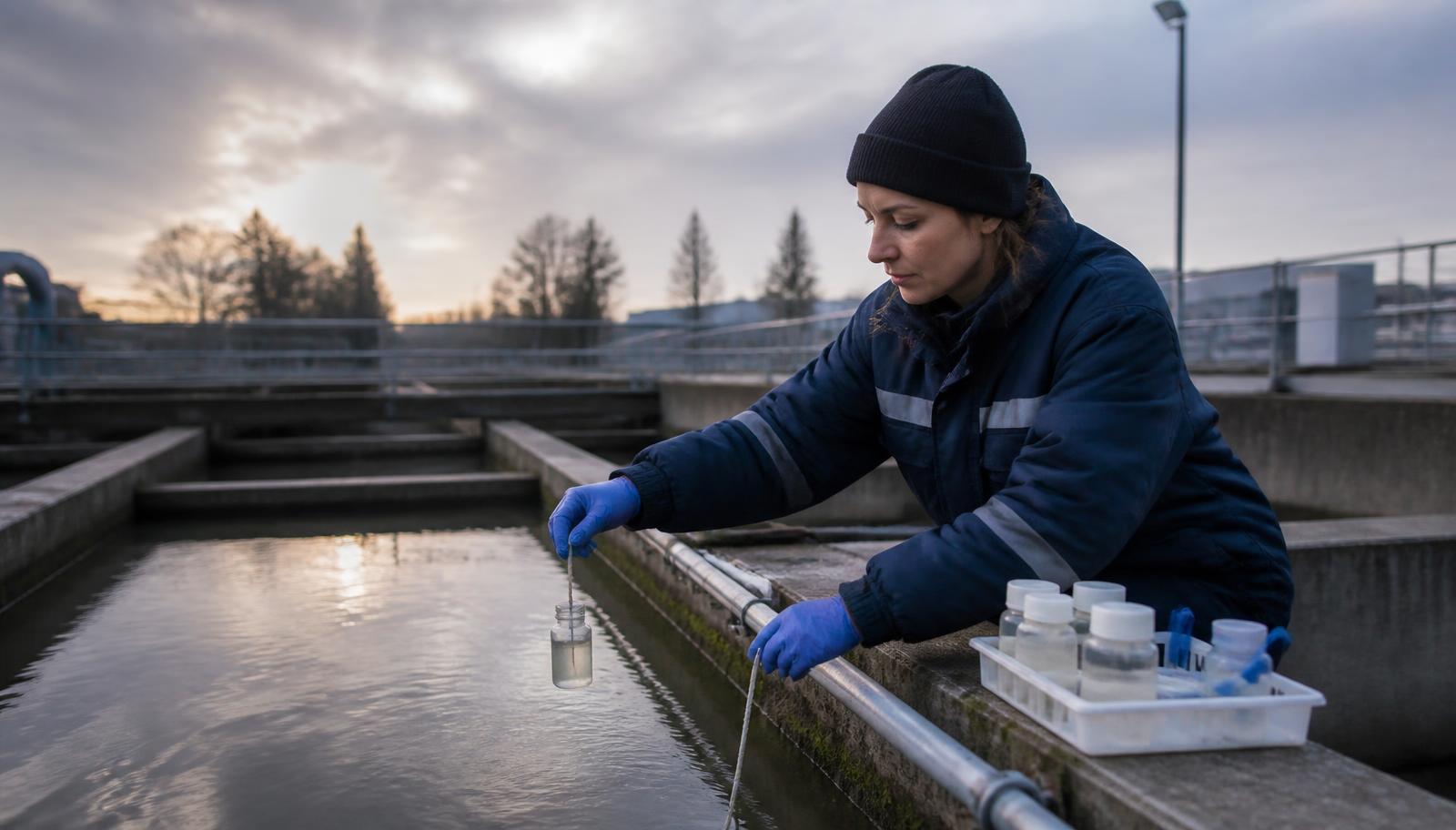
A community health worker in rural Kenya carrying a smartphone loaded with an image recognition app for skin conditions is a small scene, but it captures where global health technology has actually landed by 2026. Not a hospital full of imaging equipment, but a single device doing a job that used to require a specialist referral and a journey many patients could not make.
That app, built around World Health Organization guidance for skin neglected tropical diseases, was the subject of a qualitative study published this year in JMIR mHealth examining how frontline health workers in Kenya actually use an AI embedded tool for identifying conditions such as scabies, leprosy, and other skin manifestations of neglected tropical diseases. The study, conducted with researchers from the University of Bristol and Kenyan public health partners, looked past the accuracy statistics that usually dominate AI health coverage and asked a more practical question, whether health workers with variable training levels found the tool usable in real clinic conditions with unreliable connectivity and heavy caseloads.
Why Neglected Tropical Diseases Are a Useful Test Case
Skin neglected tropical diseases are a deliberately hard test for AI screening tools because they require visual differentiation between conditions that can look similar to an untrained eye but require very different treatment pathways. A missed leprosy case or a misclassified scabies presentation has real consequences, and the populations affected are often in areas with the fewest specialist dermatologists per capita anywhere in the world. If an AI embedded screening tool can hold up in that setting, it is a meaningful signal for how far the technology has come, because the margin for error in tuning to local skin tones, lighting conditions, and disease prevalence patterns is much less forgiving than in a well resourced hospital setting.
The Kenya study's framing around frontline health worker perspectives, rather than pure diagnostic accuracy, reflects a shift in how global health technology is being evaluated. Accuracy numbers generated in a controlled research setting have repeatedly failed to translate into effective field deployment when the tool does not fit into a health worker's actual workflow, when connectivity drops out, or when the interface assumes a level of digital literacy that is not universal among community health cadres. Studies like this one are becoming a standard part of the evidence base that WHO and its partners expect before recommending broader scale up.
The Broader Institutional Push
This app sits inside a larger institutional effort. The Global Initiative on Artificial Intelligence for Health, known as GI-AI4H, is a joint effort of WHO, the International Telecommunication Union, and the World Intellectual Property Organization intended to support safe and equitable adoption of AI in health systems, with a particular focus on countries that have historically been left out of the early commercial AI health wave. A perspective piece describing the initiative, published this year in npj Health Systems, frames the goal explicitly around health equity, arguing that AI tools developed and validated primarily in high income settings will not automatically work, or work fairly, when deployed in different population and resource contexts.
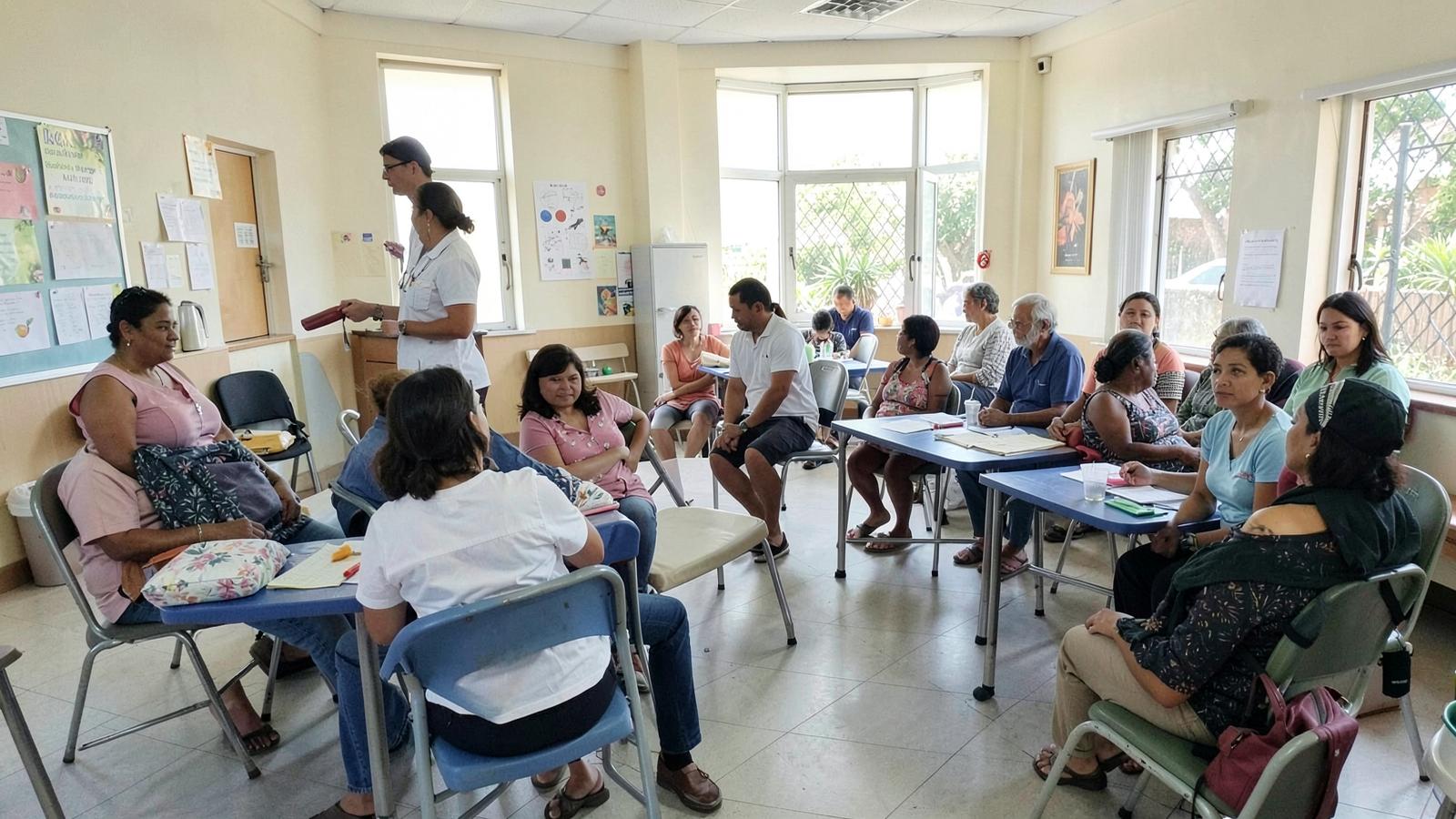
The initiative held its third major meeting this month in Hangzhou, bringing together policymakers, regulators, and health practitioners from across its member countries to review implementation experience and refine guidance. A companion effort, a casebook of AI health use cases from across the Global South launched earlier this year in New Delhi with India's health and technology ministries, compiles real deployment examples rather than theoretical use cases, an approach that mirrors what the Kenya skin NTD study did at a smaller scale. Both efforts reflect a maturing recognition that global health AI needs documented field evidence, not just algorithmic performance benchmarks, before donors and health ministries commit to scale up funding.
What This Means for Companies Building in This Space
For healthtech companies working in global health delivery, the practical lesson from this year's activity is that field validation studies focused on workflow fit and health worker acceptance are becoming as important to funders and regulators as raw accuracy metrics. A screening tool that performs well in a peer reviewed accuracy study but has not been tested for usability among the actual health worker cadre who will operate it in the field is going to face more scrutiny before it gets adopted by a ministry of health or a multilateral funder in 2026 than it would have three or four years ago.
There is also a data and connectivity infrastructure angle that deserves attention. Tools like the Kenya skin NTD app depend on being usable in settings with intermittent connectivity, which means on device processing capability and lightweight data synchronization are becoming differentiators as much as diagnostic accuracy itself. Companies that have invested in offline first architecture for their screening tools are better positioned to participate in the kind of national scale up programs that WHO's initiative is trying to encourage, because ministries of health evaluating these tools are increasingly asking about deployment realities in districts with limited network coverage, not just performance under laboratory conditions.

Key Signals
WHO's Global Initiative on AI for Health and the field study of its Kenya based skin neglected tropical disease app both point toward the same conclusion, that global health AI is entering a phase where field usability and equity of performance across populations matter as much as raw accuracy. The Global South casebook launched this year in New Delhi is building a documented evidence base that ministries of health and funders can reference before committing to scale up decisions. Companies building screening tools for lower resource settings should expect connectivity resilient, offline capable design and genuine frontline health worker input to become baseline expectations rather than optional extras. The direction of travel across these efforts is toward slower, better documented deployment rather than rapid rollout, which should ultimately produce tools that hold up better once they reach the communities they are meant to serve.