
A rural clinic director explaining why her patients miss scheduled telehealth appointments usually does not point to scheduling or motivation. She points to a connection that drops mid-visit, or a household that has to choose between one member using the available bandwidth for a video call and another using it for work or school. That basic infrastructure constraint has quietly limited how much telehealth can actually substitute for in-person rural care, no matter how good the clinical software behind it becomes.
That constraint is now shaping how broadband expansion programs are justified and funded. Where rural broadband investment was once framed mostly around economic development and educational access, telehealth has become one of the more prominent justifications state and federal broadband programs use to prioritize which communities receive infrastructure investment first. That framing shift matters because it changes who is at the table when broadband buildout decisions are made, bringing public health departments and rural hospital systems into planning conversations that used to be dominated by telecommunications regulators and economic development agencies alone.
Why Public Health Departments Are Getting Involved in Infrastructure Planning
Rural health departments and hospital systems have started providing broadband program administrators with data on where telehealth demand and unmet care needs are highest, information that broadband planners did not previously have easy access to and that helps prioritize limited buildout dollars toward communities where the health impact is likely to be greatest. This is a meaningfully different role for public health agencies than they have traditionally played in infrastructure decisions, and it reflects a broader recognition that broadband access has become a social determinant of health in its own right, alongside more traditional factors like housing and transportation.
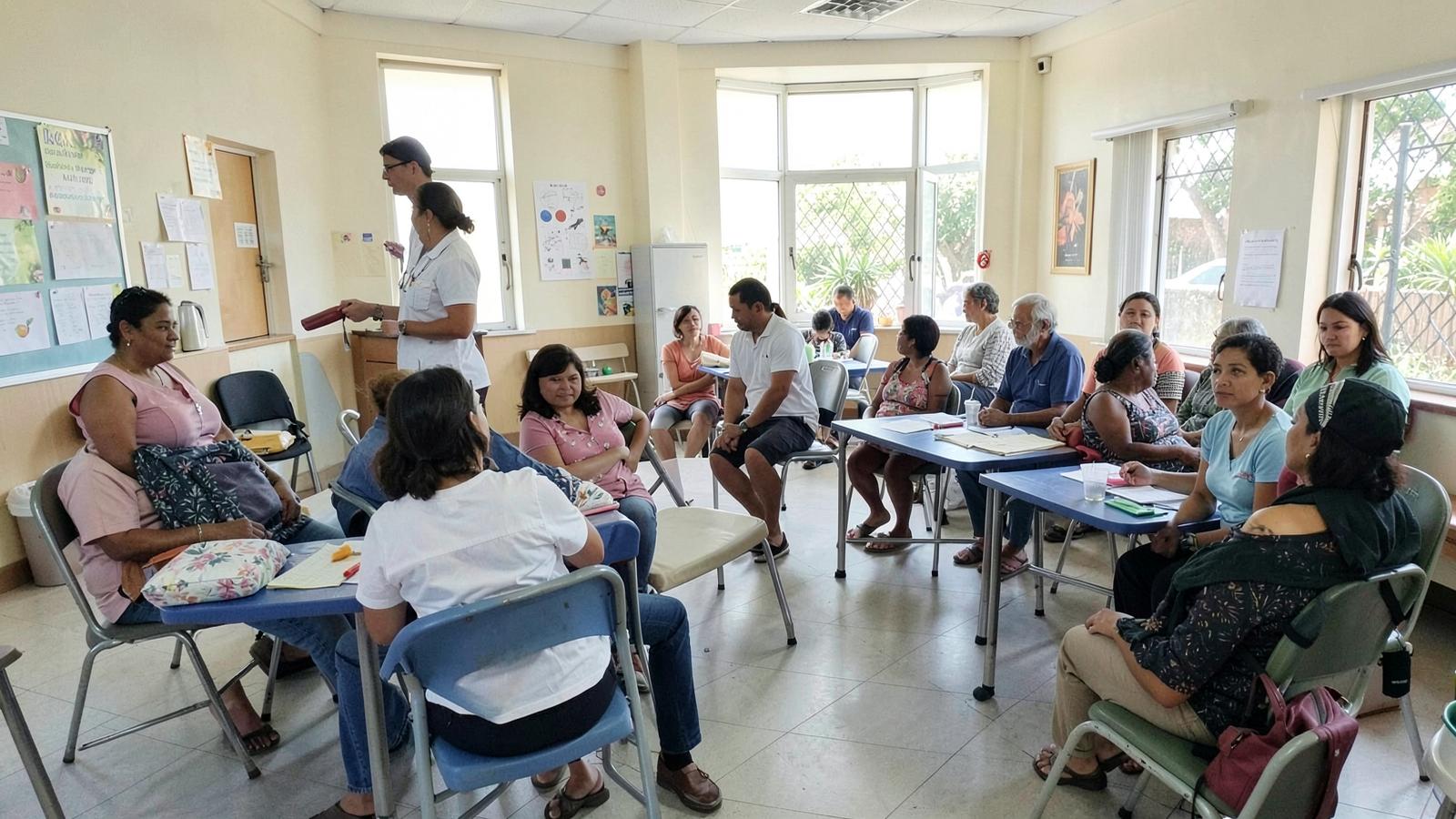
The practical effect of this collaboration shows up in how new broadband infrastructure gets sited and prioritized. Some programs have specifically prioritized connecting community anchor institutions first, libraries, community centers, and local clinics, recognizing that even before every household in a rural area has reliable home broadband, a well connected community anchor can serve as a telehealth access point for residents who lack connectivity at home. This staged approach acknowledges that full household level broadband buildout in the most remote areas will take years, while community anchor connectivity can extend telehealth access in the meantime.
Telehealth Platforms Are Adapting to Bandwidth Reality

On the software side, telehealth platform vendors serving rural populations have had to build genuine low bandwidth resilience into their products rather than assuming a stable broadband connection, since assuming otherwise means the platform simply does not work for a meaningful share of the rural patients it is meant to serve. That has meant investing in features like automatic quality degradation that prioritizes audio continuity over video when a connection weakens, and asynchronous store and forward options that let a patient share information with a clinician without requiring a live video connection at all, an approach that has proven particularly useful for specialties like dermatology and some behavioral health services.
Rural hospital systems adopting these platforms describe a learning process around setting realistic expectations with patients about which visit types work well over an unreliable connection and which genuinely require an in-person alternative. A platform's low bandwidth resilience features help at the margins, but they do not eliminate the reality that some clinical interactions, particularly ones requiring detailed visual assessment, are harder to conduct well over a degraded connection regardless of how well the software is engineered.
The Timeline Problem
Broadband infrastructure buildout operates on a multi-year timeline that does not align neatly with the more immediate healthcare access needs that motivate its funding in the first place. Rural communities waiting for full buildout need interim solutions, community anchor connectivity, mobile hotspot lending programs through libraries, and continued investment in mobile and community clinic capacity, that can bridge the gap until broadband infrastructure actually arrives. Public health planners increasingly describe their work as running these interim strategies in parallel with long term infrastructure advocacy, rather than treating broadband buildout as a solution that will simply arrive on its own timeline while other access strategies wait.
Key Signals
Rural broadband expansion programs are increasingly justified and prioritized using telehealth access data, giving public health departments and rural hospital systems a new role in infrastructure planning decisions that were previously dominated by telecommunications and economic development agencies. Staged approaches that connect community anchor institutions like libraries and clinics before full household buildout are helping extend telehealth access in the near term while full infrastructure investment plays out over years. Telehealth platform vendors serving rural populations have had to build genuine low bandwidth resilience, including audio prioritization and asynchronous store and forward features, rather than assuming stable connectivity. The core unresolved tension is a timeline mismatch, since broadband infrastructure takes years to build while healthcare access needs are immediate, which is pushing public health planners toward interim strategies rather than waiting for infrastructure alone to solve the problem.