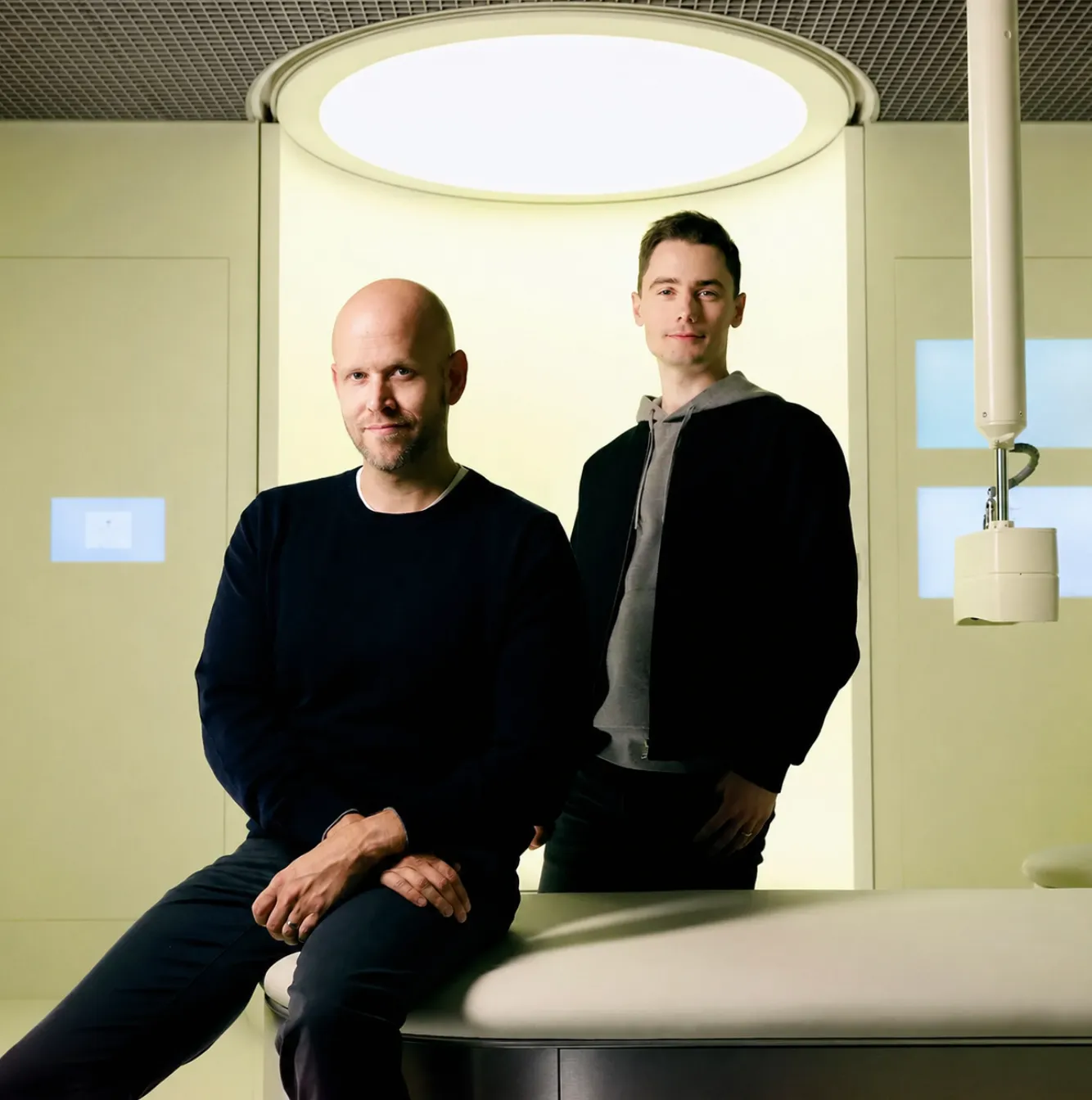

Health systems across Europe struggle to give people timely access to primary care. Brazilian startup Olá Doutor believes part of the answer may be less glamorous than the latest medical AI model: make it easier to speak to a clinician without requiring a traditional appointment.
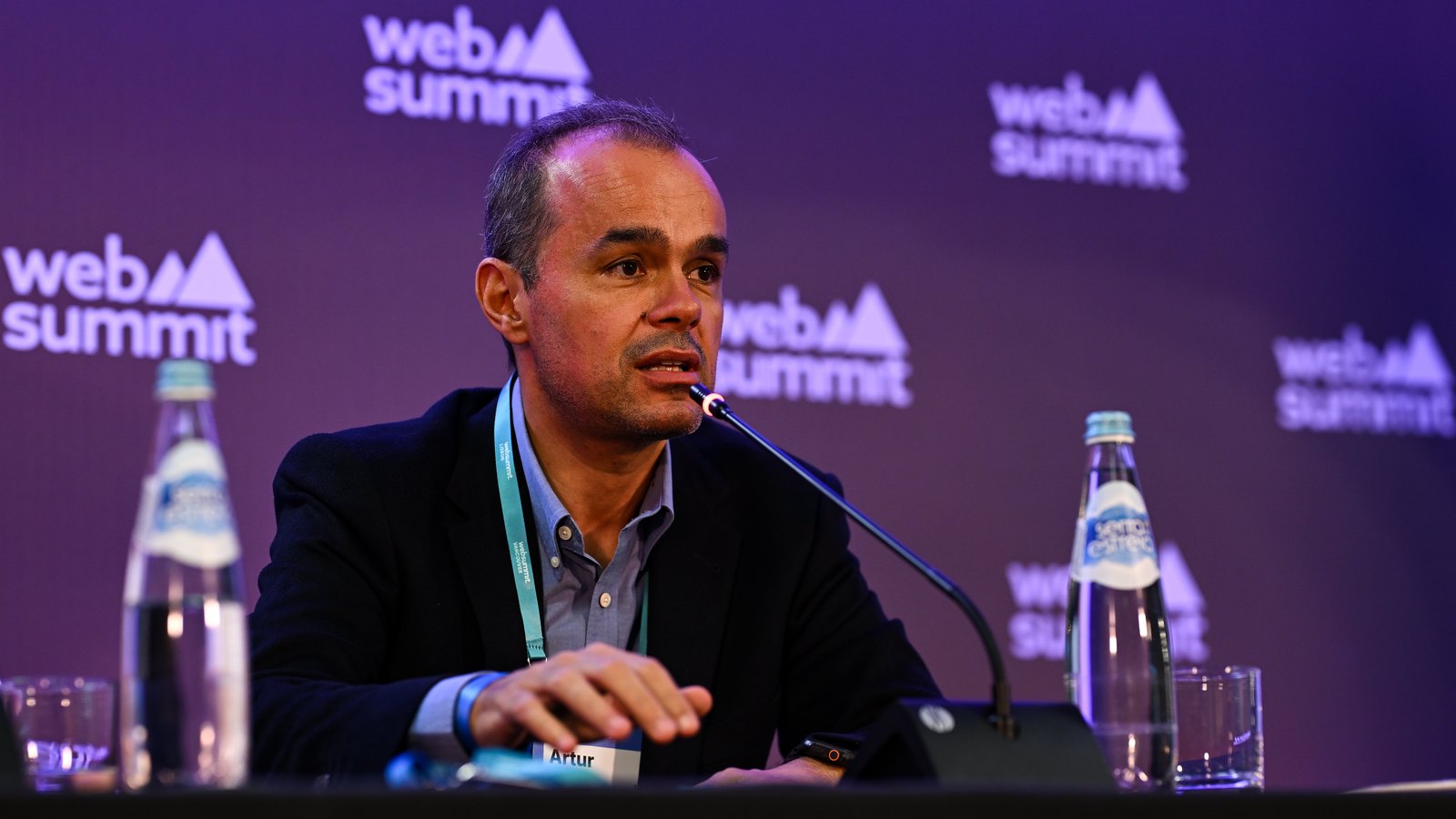
At Web Summit 2026 in Lisbon, Olá Doutor presented a chat-first model of asynchronous primary care and described an ambition to pilot it in Europe. An ambition to enter a new market is not the same as a signed agreement, a licensed medical service or a completed pilot.
How does Olá Doutor's model work?
The startup's concept is built around asynchronous communication. Rather than requiring both patient and clinician to be present at the same moment for every interaction, a person submits a concern and receives a response through a managed clinical process.
That could make some routine questions easier to handle. It could also reduce unnecessary real-time consultations when a request is suitable for remote assessment. But asynchronous care is not appropriate for every symptom, and it depends heavily on triage and escalation.
The central question isn't whether messaging is convenient. It's whether the right patients get timely clinical attention when the conversation reveals risk.
The company's plans for international growth
In an event interview reported by GZH, Anderson Zilli and a colleague named Wagner described Olá Doutor's operating Brazilian service and European ambitions. The account places the planned expansion in the context of the company's existing chat-first care model.
Olá Doutor is seeking a European pilot. Establishing its partner, target population and clinical governance would define the scope of that planned market work.
Why Europe is more than a translation project
Clinical access services cross several boundaries that ordinary software companies may not encounter. A provider must consider professional licensing, responsibility for clinical decisions, privacy requirements, prescription rules, integration with existing care and how emergencies are identified.
Even within Europe, national healthcare systems do not operate in exactly the same way. A model that works commercially in Brazil may need substantial adaptation for a Portuguese or other European patient population.
For buyers, it would be sensible to ask about clinical staffing, time to response, escalation pathways, continuity of care and the evidence that asynchronous encounters improve access without compromising safety.
What will determine whether the pilot matters?
A useful pilot should have a clear population and measurable outcomes. Did people receive appropriate care faster? Were unnecessary in-person visits reduced? Did clinicians find the workflow manageable? Most importantly, were urgent cases escalated correctly?
Those are more persuasive measures than the number of chats handled by a platform. And they are the data a serious healthcare customer would need before deciding to expand a programme.
Olá Doutor's ambition is worth tracking because access to primary care is a genuine problem. Its European story, however, will only become convincing when the partner, scope, clinical governance and results are public.
Why a Brazilian telehealth model might look attractive in Europe
Digital consultations have become familiar enough that a startup can describe its service in a few words: find a clinician, start a chat and receive guidance. But what looks simple to the user usually depends on a complicated operating model behind the screen. A provider must recruit and organise clinicians, establish how consultations are documented, handle follow-up and determine what happens when a case cannot safely be resolved remotely.
Olá Doutor arrived in Lisbon with a Brazilian service already operating, according to its company's public account. That puts it in a different position from a team presenting only an idea. Yet even an operational product in one market has to establish that the model can work responsibly in another.
The attraction of a European pilot is understandable. A local partner could help the company understand market demand, identify the right patient group and test how its existing workflows translate. But a pilot should be treated as a learning exercise rather than evidence that the service has already achieved European market entry. The published reporting does not establish a signed local partner.
A company may bring impressive consultation or customer figures to a conference. Those can be useful indicators of operating experience, provided they remain attributed and their definitions are clear. A count of completed chats is not the same as a count of unique patients, a completed clinical episode or a demonstrated improvement in health.
What makes a chat consultation clinically useful?
The value of telehealth depends partly on matching the format to the problem. Some encounters are well suited to remote communication: follow-up questions, discussion of results, medication-related clarification and selected low-acuity concerns. Other situations require a physical examination, diagnostic tests or urgent escalation. A trustworthy service must be designed to recognise the difference.
That is why clinical triage matters more than the superficial convenience of a chat interface. When a user describes symptoms, the service needs a consistent way to determine whether remote advice is appropriate and what the next step should be. The exact process may involve clinicians, decision-support tools and local referral arrangements. None should be assumed from the presence of a chat window alone.
Continuity is another challenge. A one-off interaction may help someone at a particular moment, but healthcare often unfolds over several encounters. Patients may need prescriptions, monitoring or an in-person referral. The quality of the service depends on how those handoffs happen and whether information is available to the next professional in the pathway.
The commercial model also deserves scrutiny. If pricing rewards high volumes of brief interactions, the business must demonstrate that clinicians still have adequate time to assess uncertainty and explain appropriate next steps. Conversely, if the service primarily replaces inconvenient administrative contacts, it may create genuine efficiency without needing to claim broader clinical transformation.

Europe is not simply Brazil with translated screens
A new market introduces more than language differences. Professional licensing and scope of practice, patient rights, data protection and prescriptions may all affect the design of a service. The precise requirements depend on the jurisdiction and the product's intended operations. A company that works in Brazil cannot assume that the same organisational and clinical arrangements will automatically be acceptable in Portugal or elsewhere in Europe.
Local clinical partnerships can help navigate those differences. A partner may contribute knowledge of the healthcare system, appropriate care pathways and expectations around referrals. Yet partnerships are not a substitute for checking the legal and operational requirements. Companies need to clarify which clinicians are allowed to deliver care, which patients the service is intended for and how responsibility is divided.
A European pilot should also test patient behaviour. People in different health systems have different expectations of when to see a family doctor, visit an emergency department or pay for remote advice. A product that solves a gap in access in one setting may face a different competitive environment in another.
The most revealing pilot metrics might therefore include the percentage of cases resolved appropriately, the number escalated to in-person care, user understanding of advice and clinician workload. Those outcomes explain whether the model fits the local system much better than downloads or initial registrations.
The economics of accessible virtual care
Company-reported revenue, ratings and consultation counts provide a starting point for evaluating commercial maturity. They can suggest that the business has found customers and learned to operate at some scale. But the definitions matter. Revenue without costs tells us little about sustainability, and high satisfaction ratings do not independently establish clinical quality.
A customer may be satisfied because a consultation was fast, friendly or affordable. Those are valid service qualities. They do not establish that an assessment was complete, a diagnosis was correct or the advice led to an appropriate health outcome. A balanced evaluation looks at experience and clinical safeguards together.
For prospective partners, unit economics are especially important. What does a consultation cost to deliver after accounting for clinician time, support and software? How are difficult or longer cases handled? Does the company rely on a certain average consultation duration to maintain margins? An efficient telehealth model should not create incentives to rush interactions that require more careful judgement.
There is also the question of repeat use. A user who returns because the service is convenient may be evidence of product fit. A user who repeatedly seeks help for an unresolved concern may signal a continuity problem. Aggregate numbers can disguise both possibilities. A local pilot gives a chance to examine the reasons behind those patterns.
What Lisbon can realistically accomplish
Olá Doutor came to Lisbon seeking its first European pilot. For a functioning Brazilian service, the opportunity is to identify a local partner and evaluate how the model fits another health system.
The next meaningful announcement would identify the local partner, the population included in the pilot, the scope of the service and how clinical governance will work. A well-designed pilot can give a company credible evidence even when the result reveals that its original model needs adjusting. That is more valuable than a hurried claim of international expansion.
For The HealthTech Signal, the opportunity is to follow a Brazilian company as it tests whether a functioning digital-care business can translate into a new health system. The challenge is not making the app multilingual. It is making the whole service safe, accountable and commercially viable in the setting where patients will actually use it.