This account draws on reporting by the BBC, The London Clinic and King's College London. The HealthTech Signal has not independently interviewed the surgical team or the patient.
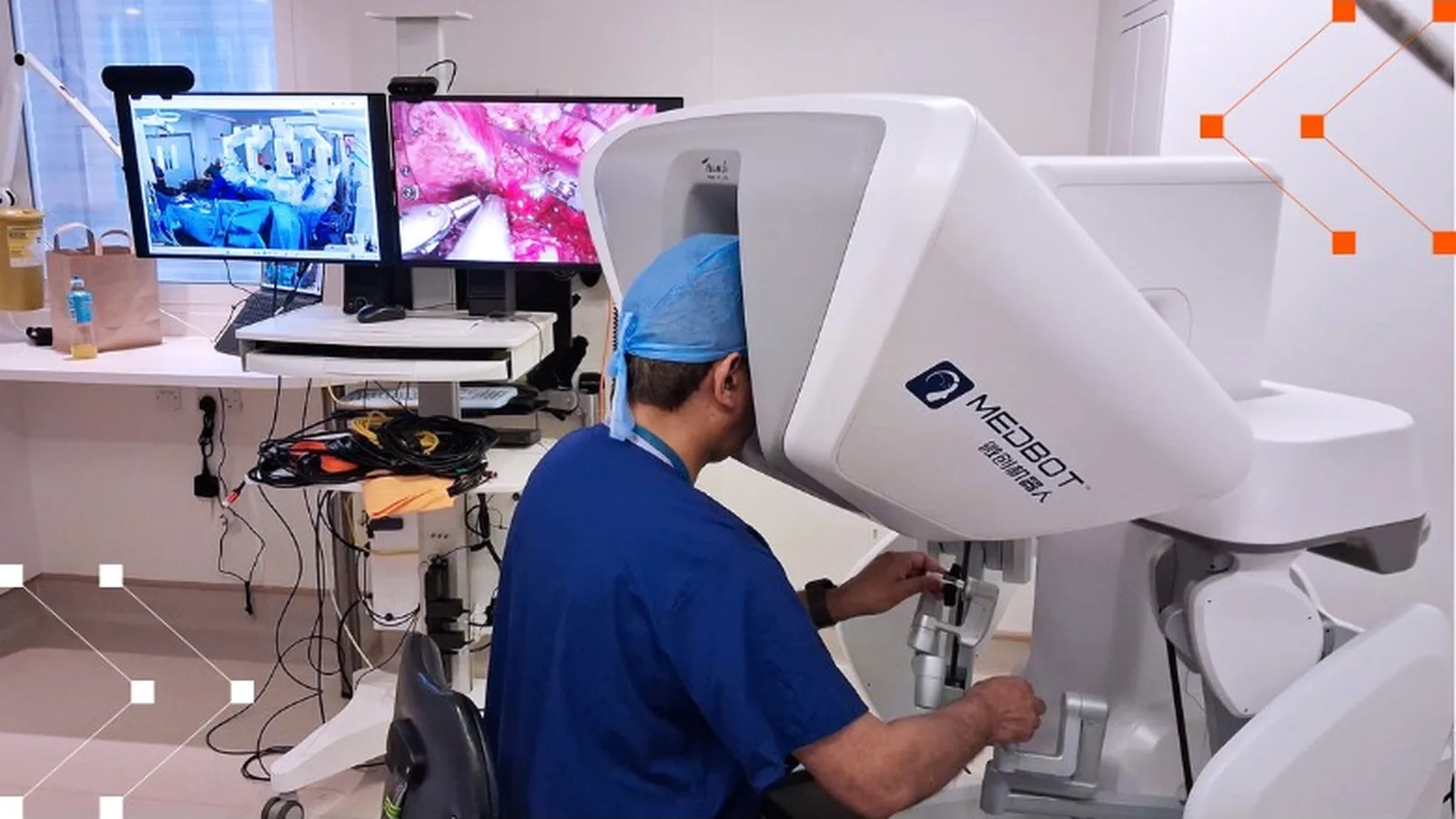
On March 6, 2026, Professor Prokar Dasgupta sat at a surgical console inside The London Clinic and performed a robot-assisted prostate removal on a patient, Paul Buxton, who was lying on an operating table roughly 1,500 miles away in Gibraltar. The BBC reported that Dasgupta described the experience as feeling "almost as if I was there," despite controlling surgical instruments across a distance greater than London to Marrakesh.
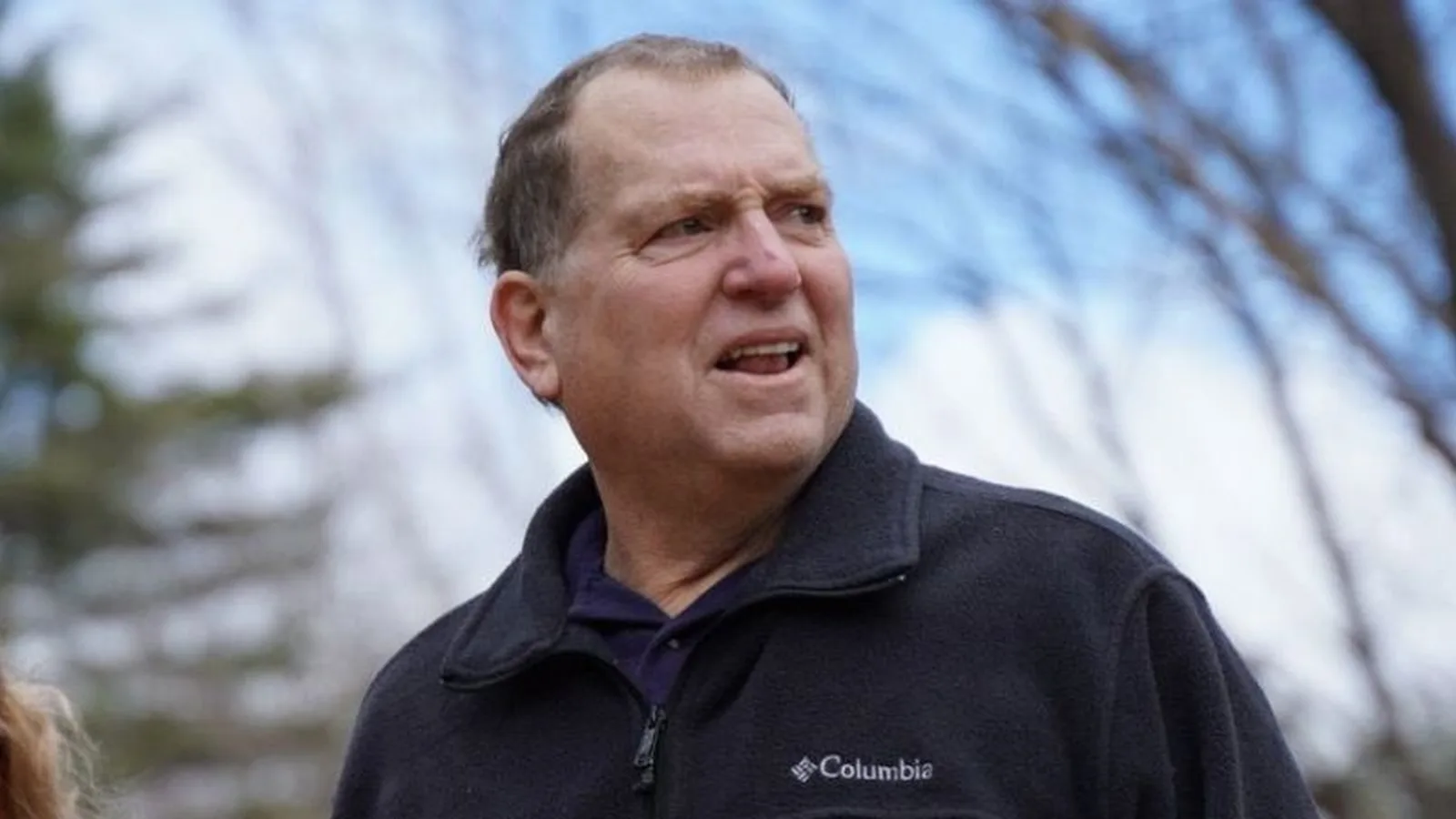
Buxton, 62, was being treated for prostate cancer. The London Clinic's own account of the case frames it as a first for UK medicine and part of a broader push to make specialist surgical expertise available regardless of where a patient physically is. The operation used the Toumai Robotic System, a surgical robotics platform, with commands sent over a dedicated high-speed data connection between London and Gibraltar.
How telesurgery actually works, mechanically
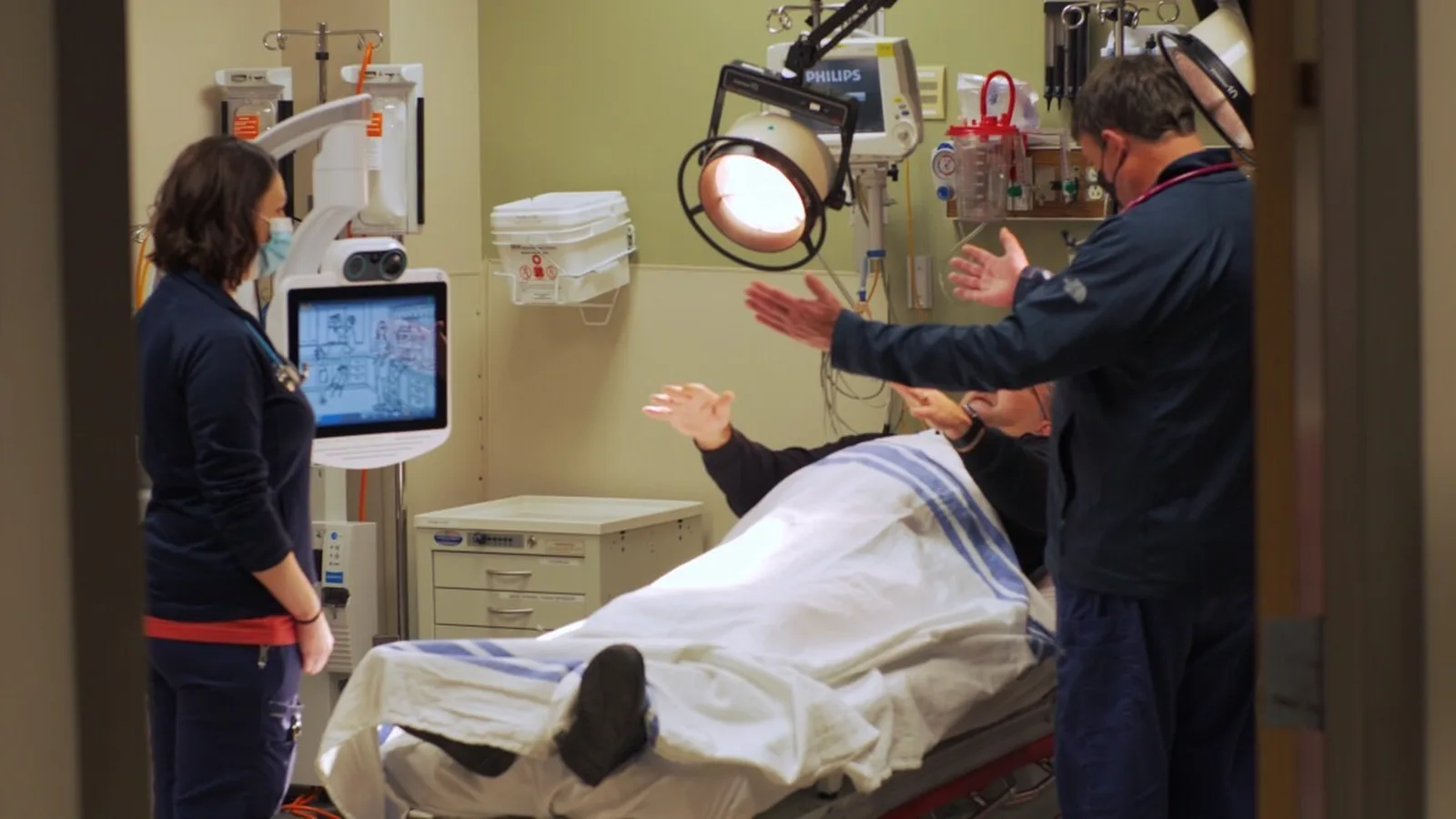
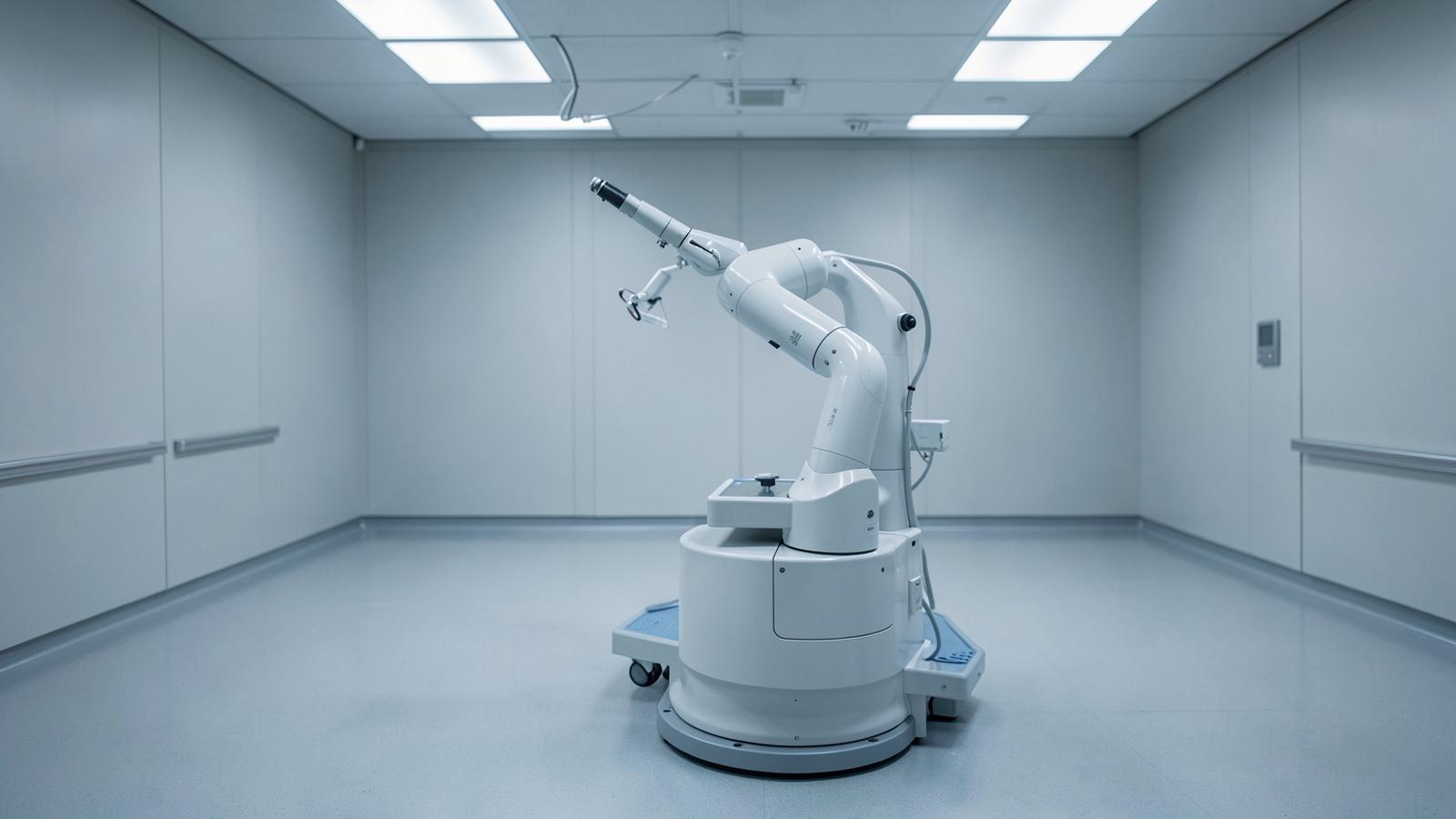
Robotic surgery itself is not new. Systems like Intuitive Surgical's da Vinci platform have been used for two decades, with the surgeon seated at a console in the same operating room, translating hand movements into precise instrument movements inside the patient. What is new in this case is the distance: the surgeon's console and the patient's operating table were not in the same building, city, or even country. Every movement Dasgupta made at his console in London had to be transmitted as data, over a network connection, to actuators controlling the robotic arms next to Buxton in Gibraltar, with the video feed of the surgical field transmitted back in the other direction.
The entire feasibility of this hinges on one number: latency, the delay between a surgeon's hand movement and the robotic instrument executing it. Surgeons operating on live tissue need that delay to be imperceptibly small, generally cited as needing to stay well under roughly 200 to 300 milliseconds to avoid the kind of lag that could turn a precise cut into a dangerous one. King's College London's account of the procedure credits a dedicated, purpose-built data connection, rather than the ordinary internet, as the infrastructure that made operating at this distance survivable from a safety standpoint.
Why this matters clinically, beyond the novelty
The genuine clinical case for telesurgery is not "surgeons doing dramatic long-distance stunts." It is access. Highly specialized surgical expertise, particularly for complex cancer procedures, concentrates in a small number of major medical centers. Patients in smaller countries, remote regions, or areas without a subspecialist trained in a specific robotic procedure have historically had two options: travel to the expertise, often at real financial and logistical cost, or accept a less experienced local surgeon for a procedure where outcomes are known to correlate with surgeon volume and experience.
Telesurgery, if it can be proven reliably safe at scale, offers a third option: bring the expertise to the patient over a network connection, with a local surgical team physically present to manage the room, anesthesia, and any emergency that requires immediate hands-on intervention, while the remote specialist controls the robotic instruments for the technically demanding parts of the procedure.
This is not the first telesurgery attempt globally. China has run trials connecting surgeons to patients across its own vast geography, and a Saudi telesurgery milestone was reported around the same period using a similar model with stc group's network infrastructure. What made the London to Gibraltar case notable in the UK context specifically was the combination of distance and the fact it was performed as clinical care for a real cancer patient, not a lab demonstration on a simulator or animal model.
The honest limits of this technology today
I do not want to overstate the maturity of this field. A single successful case is a proof of concept, not a validated clinical pathway. Several real constraints remain unresolved at scale.
Network reliability is the whole ballgame. A dedicated connection for one high-profile demonstration case is achievable. Guaranteeing that same latency and reliability for routine, everyday telesurgery across dozens of hospitals and unpredictable network conditions is a substantially harder infrastructure problem, and a connection failure mid-procedure is a genuine, serious safety risk that has to be engineered around, not around, with redundant failover systems and a local team capable of converting to open surgery if needed.
Regulatory and licensing frameworks were not built for this. A surgeon licensed to practice in the UK operating on a patient in Gibraltar, or across any international border, raises real questions about which jurisdiction's medical licensing, liability law, and malpractice insurance framework governs the procedure. These are solvable problems, but they are not yet solved uniformly, and that ambiguity is a genuine barrier to scaling telesurgery beyond carefully arranged, one-off cases.
The cost of the infrastructure is nontrivial. A dedicated high-speed, low-latency data connection between two specific points, built for a single demonstration procedure, is a very different cost proposition than a standing telesurgery network capable of serving many patients across many locations on demand.
The systemic tension
The appeal of telesurgery is genuinely about equity: it promises to decouple surgical outcomes from geography, in the same way telestroke has started to decouple stroke outcomes from proximity to a specialist. But the infrastructure required to make it safe is currently expensive and bespoke enough that it is being deployed first for high-profile demonstration cases at flagship private hospitals, not for the underserved rural populations that would benefit from it most. Closing that gap, from demonstration to democratized access, is the real work ahead, and it is an infrastructure and policy problem well beyond the surgical robot itself.
The takeaway
Paul Buxton's prostate cancer was treated by a surgeon who was never in the same country as him during the operation. That is a genuine milestone, and it points toward a future where a patient's zip code matters less for their access to surgical expertise. But one successful case across 1,500 miles is the beginning of an evidence base, not the end of one. The technology worked. The system to make it routine, safe, and available beyond a handful of flagship hospitals still has to be built.
Key Signals
The London to Gibraltar case demonstrates that dedicated, purpose-built network infrastructure can keep latency low enough to make remote robotic surgery survivable as clinical care rather than a laboratory demonstration. The genuine long-term value of telesurgery is equity of access to specialist expertise, not distance for its own sake, in the same way telestroke has begun to decouple stroke outcomes from geography. Cross-border licensing, liability and malpractice frameworks remain unresolved and are likely to slow adoption more than the underlying technology does. A single successful procedure is a proof of concept, and the harder, less glamorous work ahead is building standing infrastructure reliable enough for routine use across many hospitals rather than one flagship case.