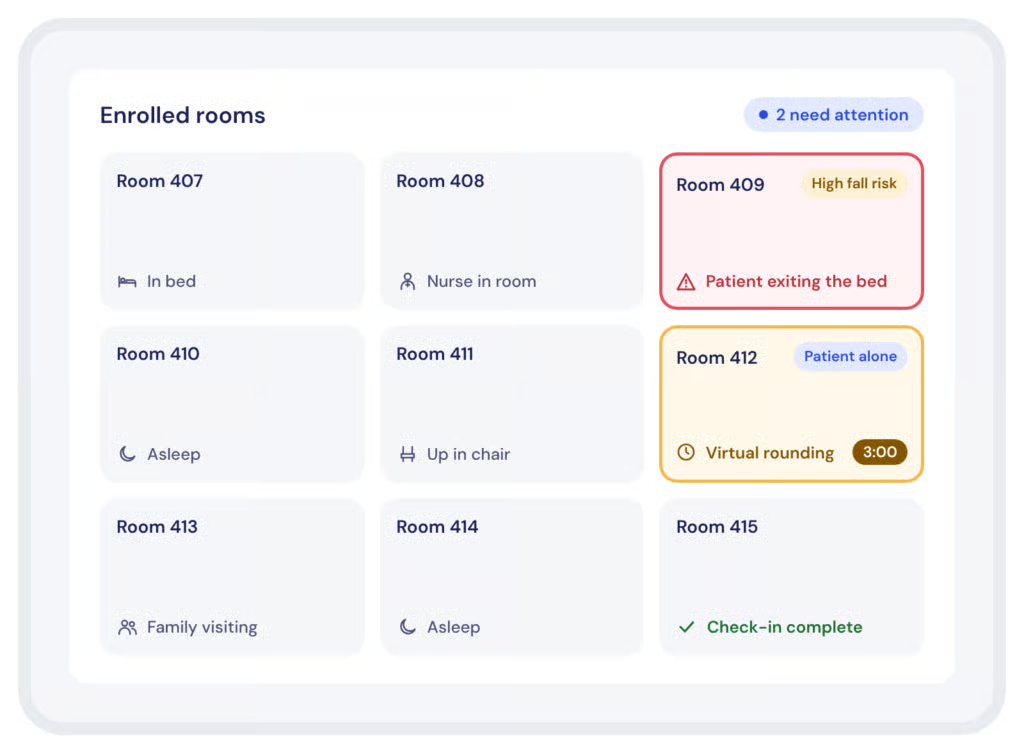

A doctor asks a colleague to chase a missing result. The message disappears into a busy inbox. A discharge summary is finished, but someone still needs to organise the follow-up. A patient is told a referral has been sent, then spends the next two weeks wondering whether the receiving service has acted on it.
These are not glamorous problems. They are ordinary coordination failures, and they consume enormous attention across healthcare.
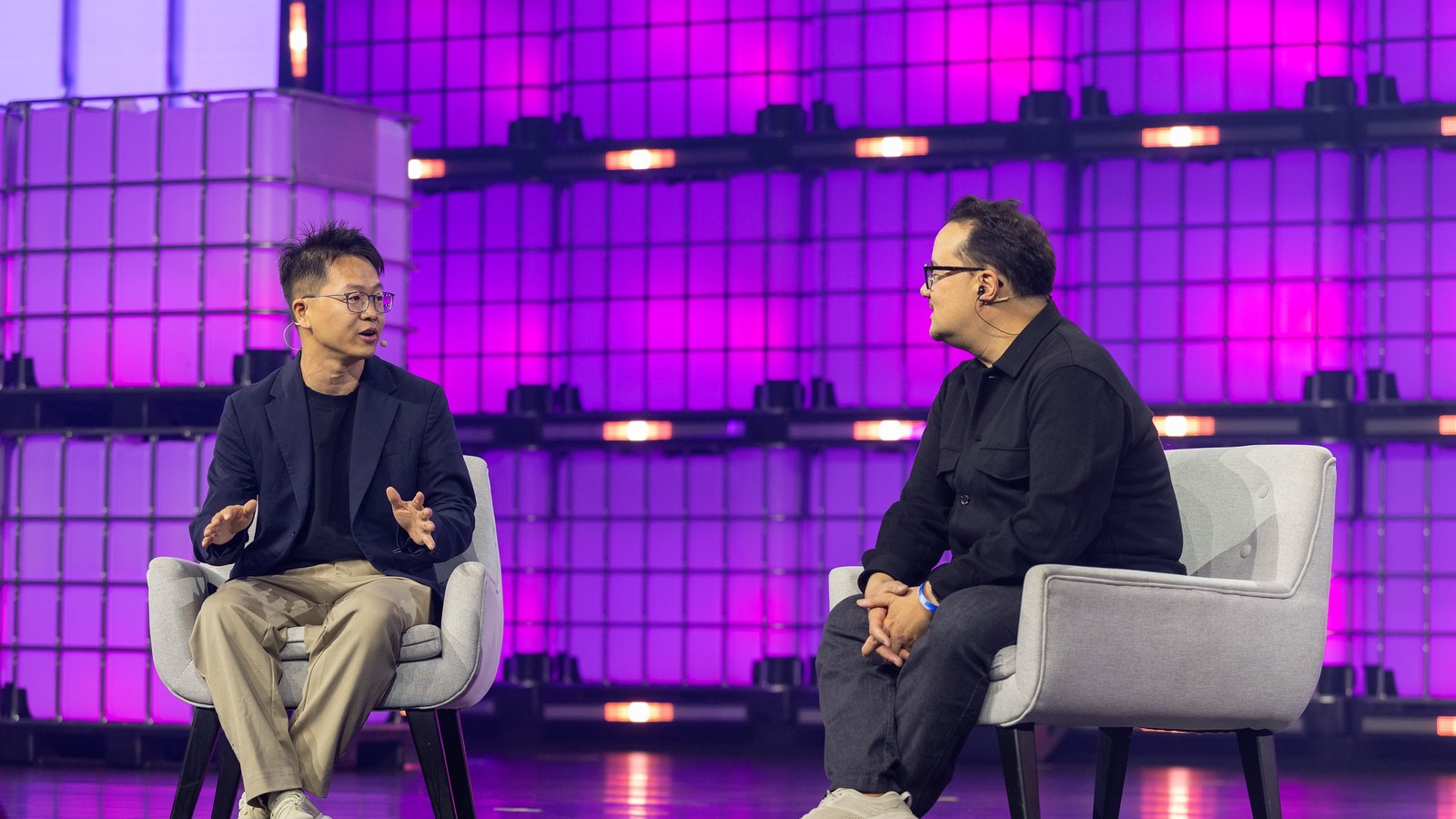
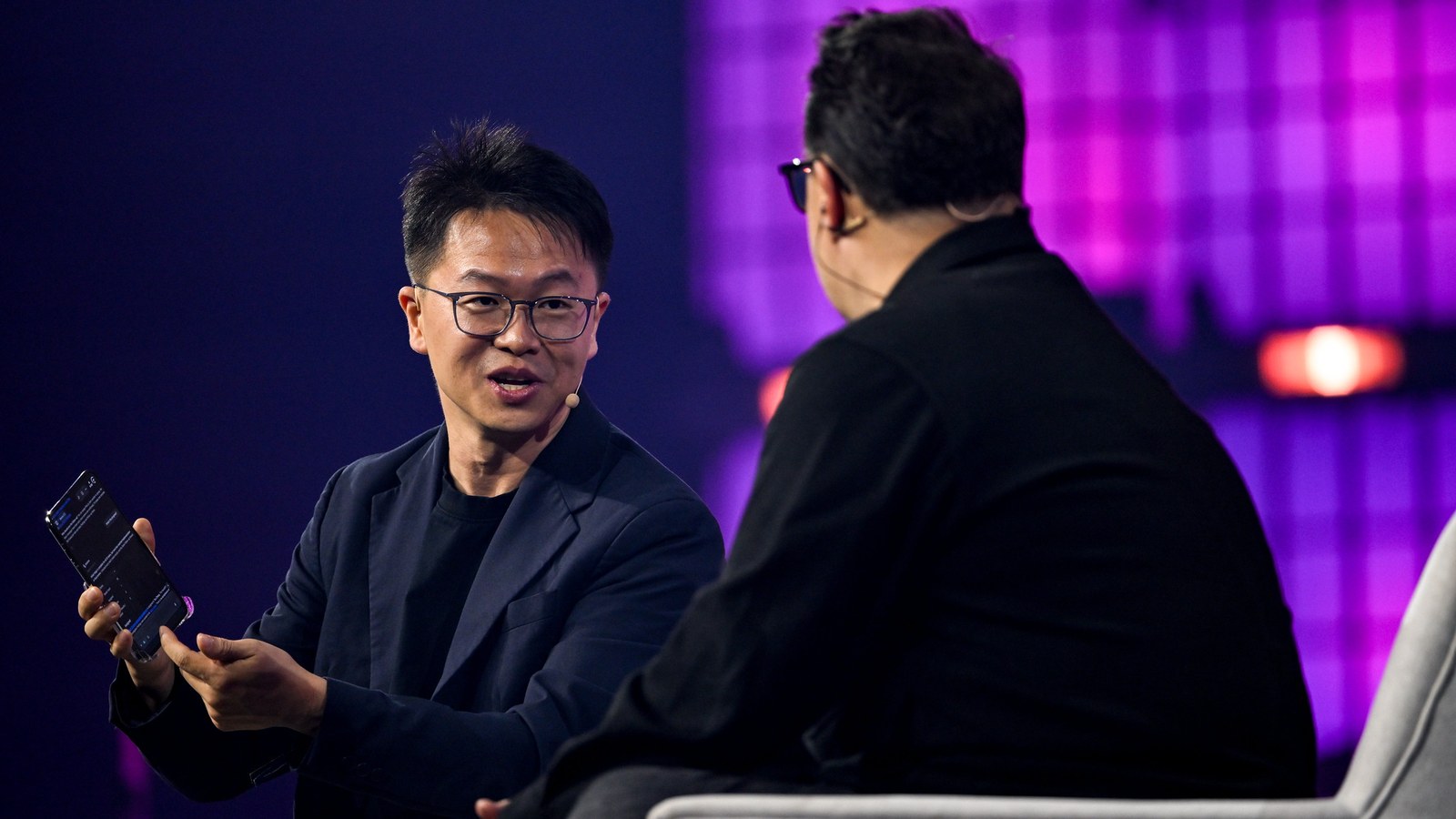
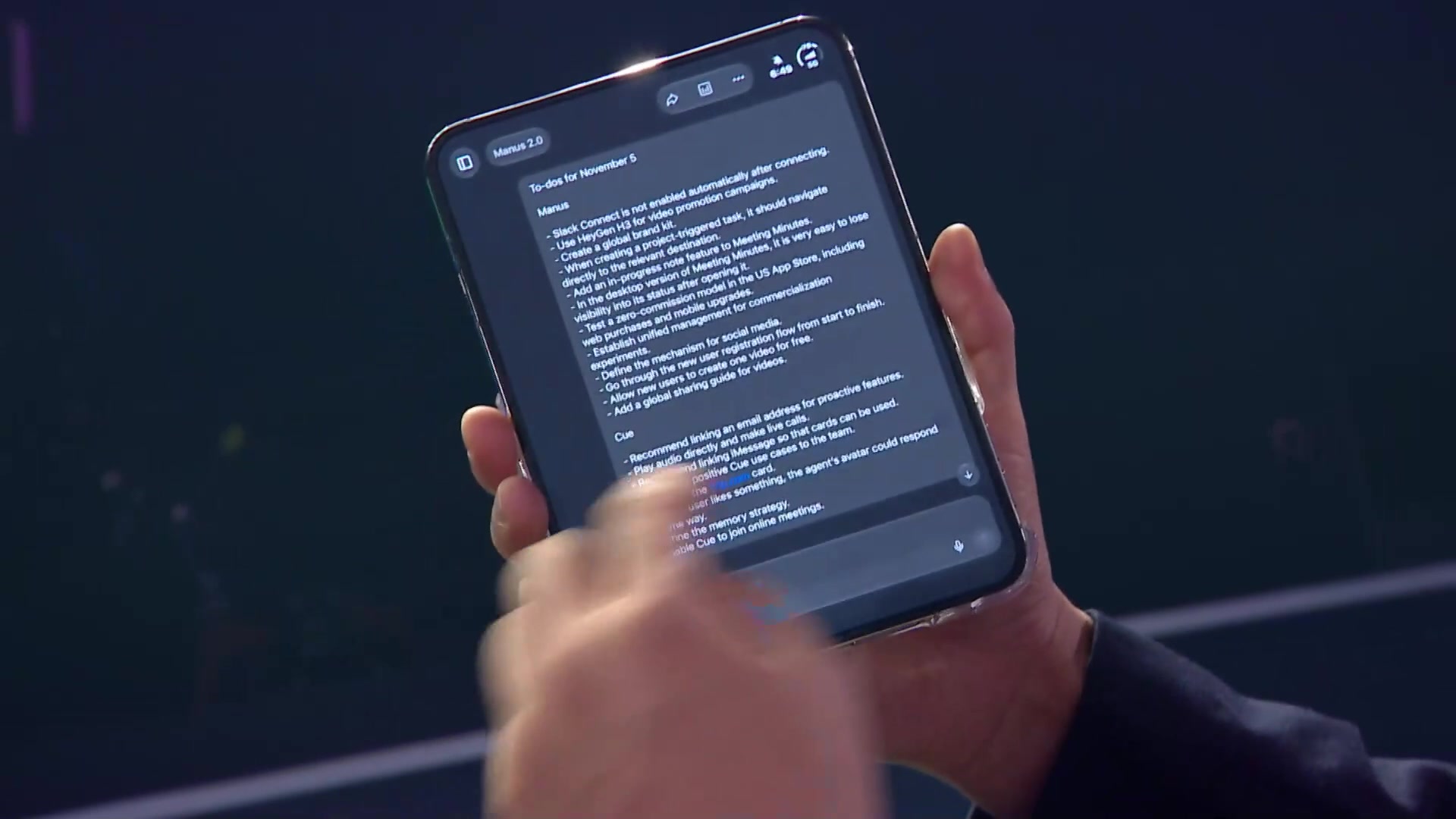
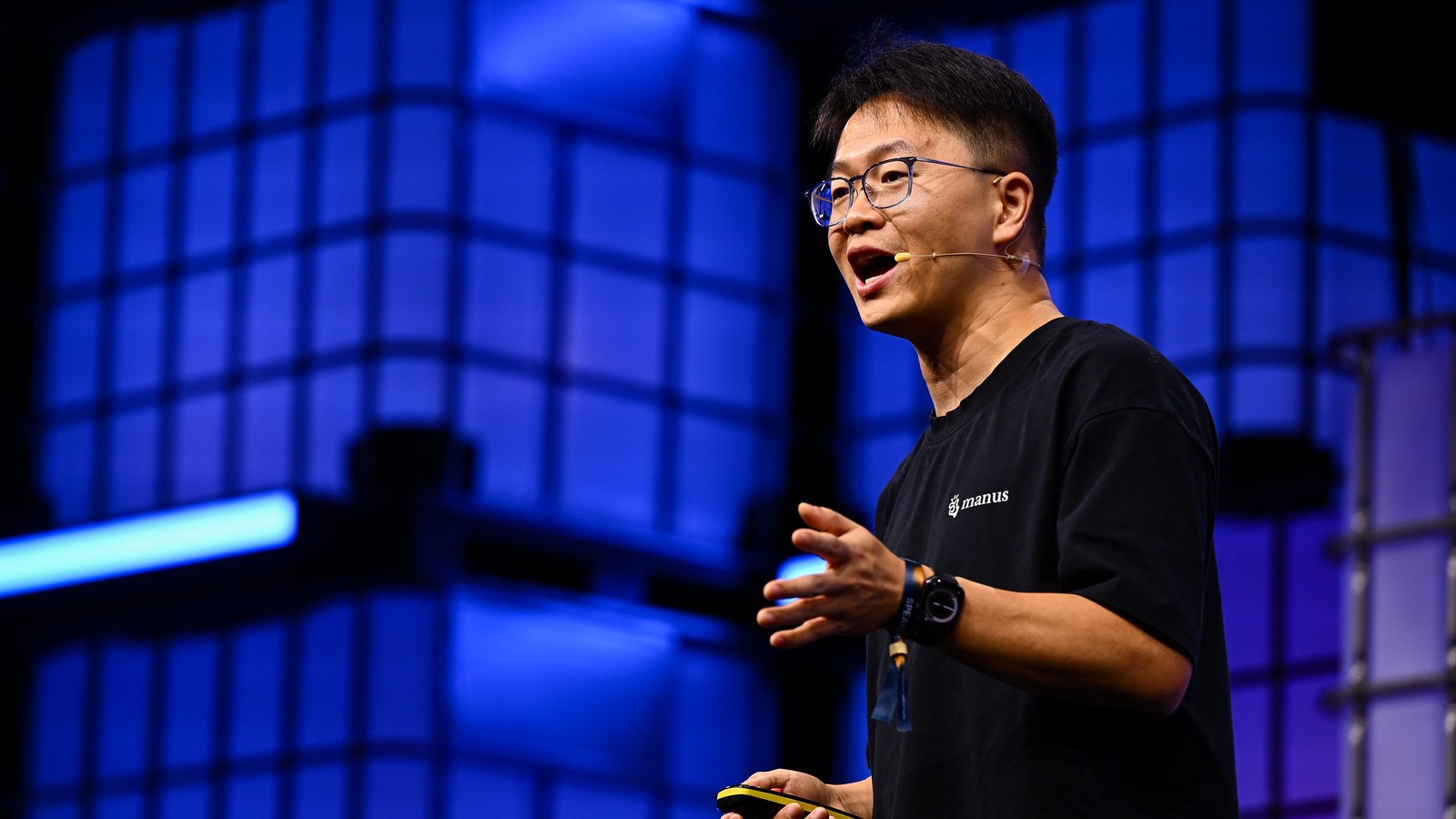
On the opening night of Web Summit 2026, Manus co-founder and chief product officer Tao Zhang showed a different way software might handle complicated to-do lists. He described an agent that could turn high-level tasks into smaller steps, ask for missing context, pass a richly documented task to another person and report back on progress. Manus had also introduced capabilities such as a dedicated email address, a phone number and a digital wallet for authorised purchases.
It was not a healthcare demonstration, and Manus did not claim on stage to have solved clinical workflow automation. But the example opens a valuable conversation: what would happen if the assistant in a hospital did more than draft a response?
From answering questions to closing loops
Most people first encountered generative AI as a conversational tool. You ask a question, receive an answer and decide what to do next. An agent goes a step further by interacting with systems and following a process towards a defined goal.
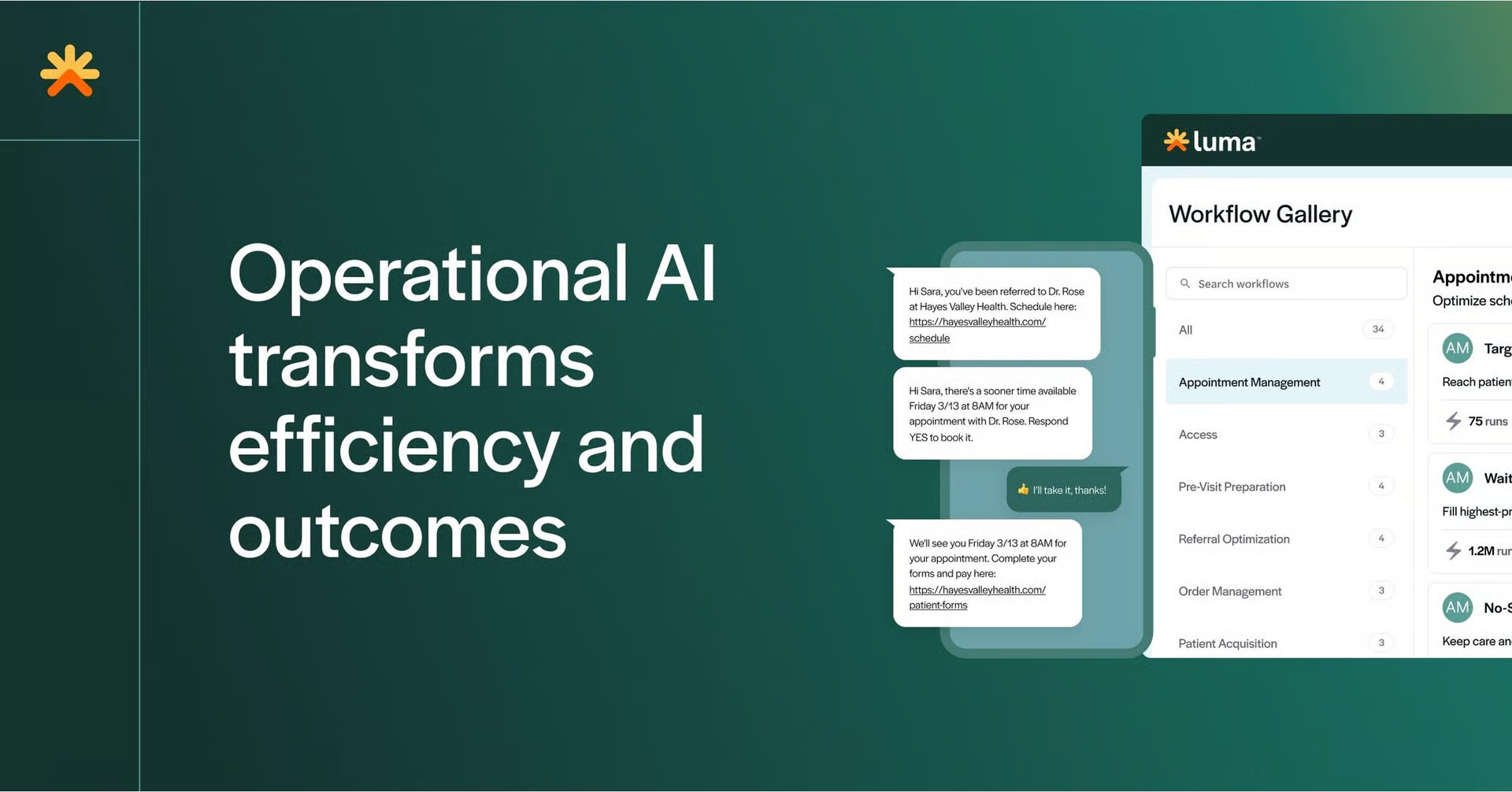
That difference changes the kinds of work it can touch. An AI model may draft an appointment letter. An agent might prepare the letter, check the patient's preferred contact method, send it through an authorised system, update the appointment record and notify staff when delivery fails. The latter is an illustrative healthcare scenario, not a product feature that Manus demonstrated.
In medicine, the important phrase is “close the loop.” A clinical action is rarely complete when someone creates an instruction. The loop closes when the relevant person receives it, understands it, acts where appropriate and the responsible team can see what happened.
Think about a referral after an abnormal laboratory test. A narrow assistant might summarise the result. A well-designed workflow agent could potentially check whether the referral has been submitted, whether the destination has acknowledged it and whether an exception needs human attention. That is a different kind of value: fewer tasks stranded between departments.
The moment an agent takes action, risk changes
Drafting a message and sending it are not identical. Summarising a patient record and modifying the record are not identical. Suggesting a referral and placing an order are not identical.
An agent capable of acting in clinical systems needs permissions defined at the level of each task. It should not be allowed to browse every record merely because it can draft useful summaries. It should not silently transmit health information to a third party. Consequential clinical actions may require confirmation by an authorised professional and additional safeguards depending on the intended use.
The safest early applications may be administrative processes with clear boundaries: checking a non-clinical form for completeness, preparing a draft, assembling source documents for a human reviewer or reminding an internal team that a task has not been acknowledged. Even these functions can affect patient care if they fail, so operational monitoring remains essential.
An autonomous agent that has access to email, scheduling, purchasing and records also creates an unusually broad security footprint. Attackers may try to manipulate its instructions through messages or documents it reads. A misconfigured permission can let an innocent workflow become an unwanted action. Robust deployment requires logging, approval gates, access restrictions and a way to stop the agent immediately.
Why context matters more than fluent language
One interesting detail in Zhang's demonstration was how the agent passed context to a teammate. Instead of sending a one-line request, it could package supporting information and research so the recipient understood the work.
That is often what goes missing in healthcare handoffs. An instruction such as “please review” can mean very little without a reason for the referral, previous findings, current medication, urgency and what the originating clinician wants to know. Better information can reduce unnecessary back-and-forth.
But there is a trap. A beautifully written handoff can still be wrong. Healthcare agents should clearly distinguish recorded facts from generated summaries and inferred possibilities. They should preserve links back to authoritative source records. Where information is incomplete or contradictory, the system should say so rather than completing the story with plausible details.
This is why evaluation needs to look beyond whether clinicians like the prose. Did the summary preserve allergies? Did it reflect recent medication changes? Did it omit a critical warning? Were names and patient identifiers matched correctly? A small error in a high-stakes context can be far more important than a large gain in apparent convenience.
The WHO has identified administrative and documentation tasks among the potential applications of large multimodal models in health, while warning about inaccurate or incomplete outputs. That combination makes workflow agents promising and demanding at the same time.
The workforce conversation is not just about headcount
Zhang also described a change in how Manus evaluates and hires people. The company, he said, increasingly wants employees who can work effectively with AI rather than simply perform tasks unaided. In one engineering assessment, candidates are asked to use Manus to solve a problem and then explain their working session.
Healthcare cannot copy that practice wholesale. Professional roles, clinical competencies and accountability remain important. A nurse does not become a pharmacist because a model can generate an explanation of a medication. Yet staff will increasingly need new operational skills: checking an AI-produced record, recognising a failed automation, supervising delegated tasks and knowing when to escalate.
The most useful training may be less about writing clever prompts and more about managing exceptions. What if the agent cannot match the patient? What if the referral destination rejects the record? What if the system says it has completed a task but the external service has not confirmed receipt?
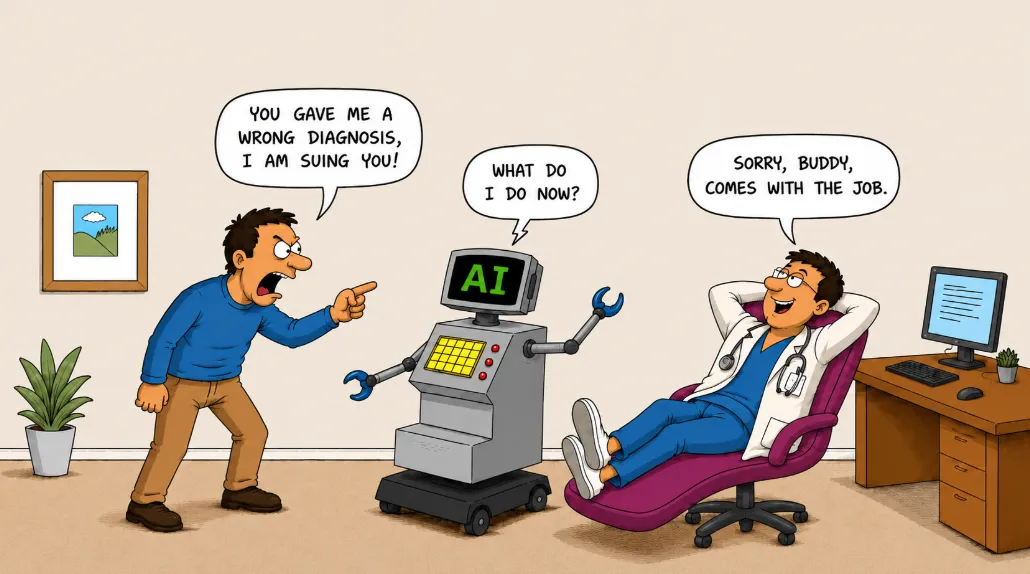
A mature implementation teaches people to challenge the automation, not simply trust it. It also makes clear who is responsible when something fails. Accountability cannot disappear into a queue of software actions.
How a hospital should evaluate an agent
Before buying an agent, a hospital should choose one defined process and measure its actual failure modes. Suppose the goal is to improve follow-up scheduling after discharge. The baseline could include the proportion of patients contacted within a target period, the number of failed contacts, administrative minutes per case and the rate of unresolved exceptions.
The pilot should compare those outcomes with the new workflow. It should measure not only average time saved but also adverse events, mistaken actions, privacy incidents and how often staff must intervene. It should record whether the agent works during weekends, handles unusual cases correctly and can recover when a connected system is unavailable.
As with any significant healthcare technology, intended use matters. The European Medical Device Regulation can apply to software specifically intended for medical purposes; general administrative software is not automatically a medical device because a hospital uses it. Classification should follow what the software is actually designed and marketed to do.
That line can become important when a product moves from appointment coordination into interpreting clinical information or recommending care.
The big opportunity is accountability for unfinished work
Healthcare teams already have enough alerts, dashboards and lists. The next generation of useful systems should reduce the number of unresolved items, not create another place to monitor them.
That is the real significance of Zhang's demonstration. His agent did not merely produce text. It asked questions, assembled context, delegated and followed up. Those are behaviours that could, in carefully bounded settings, make healthcare operations more dependable.
The hard part is not convincing an agent to take action. It is ensuring that every action is authorised, correct, observable and reversible where appropriate. In a hospital, successful automation is not a message that says “done.” It is a task completed safely, with a responsible human able to verify what happened.
Key Signals
The Manus demonstration showed the mechanic healthcare needs: an agent that follows up, requests missing information and coordinates people, which is exactly where referrals, results and discharge planning fail today. The hospital version crosses into regulated territory the moment it touches clinical decisions, so audit trails, human override and accountability stop being features and become the product. The winners in clinical agents will be the teams that treat governance as design, not as compliance paperwork afterwards.