

A parent trying to enroll a family in a nutrition assistance program has historically had to navigate paper forms, in-person verification appointments during limited office hours, and separate applications for programs that serve overlapping populations. That friction is not incidental. It has measurably reduced enrollment among eligible families for decades, particularly working parents who cannot easily take time off during standard office hours and families in rural areas for whom the nearest enrollment office is a significant drive away.
The modernization effort underway across food and nutrition assistance programs over the past several years is aimed directly at that friction, replacing paper based eligibility verification with digital income and identity verification that draws on data the government already has, reducing the amount of documentation a family needs to gather and submit themselves. Programs that have implemented these changes report meaningful increases in application completion rates, since a large share of abandoned applications historically happened not because families were ineligible but because the documentation burden was too high relative to the benefit at stake.

Benefit Delivery Is Where the Technology Shows Most Clearly
Beyond enrollment, the way benefits are actually delivered and used has changed substantially. Electronic benefit transfer systems, which replaced paper vouchers years ago, are now being extended to work more seamlessly with online grocery ordering, a shift accelerated by broader consumer adoption of online grocery shopping. Making benefit cards work reliably for online purchases required real technical coordination between benefit systems, which are run by state agencies, and grocery retailer payment systems, which were not originally built with these programs in mind. That integration work has been uneven across retailers and states, and gaps remain, particularly among smaller regional grocery chains that serve many lower income and rural communities but lack the technical resources of larger national chains.
Community based organizations that help families navigate these programs describe a mixed picture on the ground. Digital enrollment and benefit systems have made the process meaningfully easier for families with reliable internet access and comfort navigating online forms, but they have not eliminated the need for in-person assistance for older adults, people with limited English proficiency, and families with unstable housing who may not have a consistent address or device for managing an online account. Most successful modernization efforts have kept in-person and phone based application paths available alongside digital ones, treating digital as an additional channel rather than a full replacement.
Nutrition Education Programs Are Adopting Similar Tools
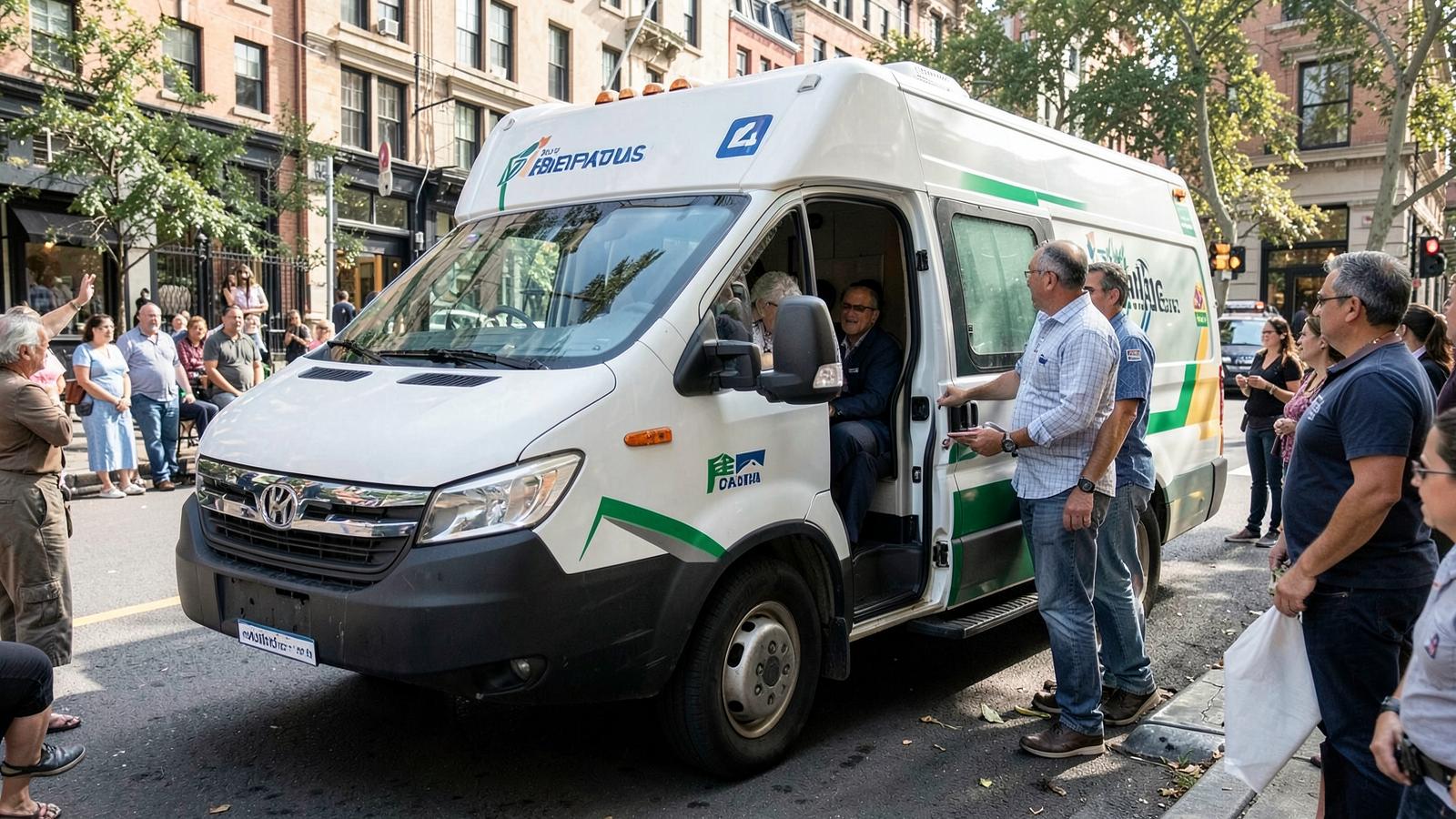
Parallel to eligibility and benefit modernization, nutrition education programs that pair food assistance with cooking and healthy eating guidance are adopting mobile tools to reach participants between in-person sessions, sending recipe suggestions tied to what is seasonally available and affordable, along with reminders about upcoming classes or benefit renewal deadlines. These tools work best when built with direct input from the communities they serve, since a nutrition education message that does not reflect a family's actual food access, budget, and cultural food preferences tends to be ignored regardless of how well designed the technology behind it is.
The Rural Access Gap Persists
Despite these improvements, rural communities continue to face a compounding set of gaps: fewer nearby grocery retailers accepting modernized benefit systems, less reliable broadband for completing digital applications, and greater distances to any remaining in-person enrollment offices for families who need that option. Addressing this gap requires investment beyond what any single nutrition program can fund on its own, since it depends on broader rural broadband infrastructure and retailer technology upgrades that are being pursued for reasons unrelated to nutrition assistance specifically. Program administrators describe this as the most persistent unsolved piece of the modernization effort, one that technology built for nutrition programs alone cannot fully close.
Key Signals
Digital eligibility verification and modernized benefit delivery have measurably reduced the documentation burden that historically caused many eligible families to abandon nutrition assistance applications before completing them. Extending benefit systems to work with online grocery ordering required real technical coordination between state administered programs and retailer payment systems, and that integration remains uneven, especially among smaller regional grocery chains. Community organizations report that digital tools work best as an additional enrollment channel alongside in-person and phone based options, not as a full replacement, particularly for older adults and families with unstable housing. Rural access gaps tied to broadband reliability and retailer participation remain the most persistent unsolved problem, one that depends on infrastructure investment well beyond what nutrition program technology alone can address.