
A primary care physician evaluating a complex multi-morbid patient does not merely need someone to type notes. The physician needs immediate answers to specific clinical dilemmas: cross-checking drug interactions across six concurrent medications, verifying renal dose adjustments and ensuring guideline-directed therapy aligns with the latest clinical trials.
Suki's announcement on October 13, 2026 of a $90 million Series E financing round marks a pivotal transition in ambient healthcare AI. By coupling ambient conversational documentation with its new Suki Ask reasoning engine powered by Wolters Kluwer's UpToDate Expert AI, the company is demonstrating that the future of ambient technology is not a passive digital scribe, but an interactive, agentic clinical operating system.
In This Deep Dive:
- Why this matters now: standalone documentation scribes face an enterprise ROI reckoning.
- What actually happened: the Series E syndicate and the Suki Ask architecture.
- The obvious read versus the deeper signal: convergence of EHR workflow execution with evidence-based medicine.
- Taxonomy of passive scribes, cognitive systems and autonomous coding agents.
- The three-tier synthesis pipeline behind point-of-care reasoning.
- Capital flows, incentives and bottom-up economics.
- The HealthTech Investor's Signal, counter-thesis and four indicators to watch.
Why this matters now
Over the past twenty-four months, ambient clinical documentation became the fastest-adopted software category in modern healthcare history. Health systems rushed to sign enterprise contracts with vendors like Microsoft Nuance (DAX Copilot), Abridge, Suki and Nabla to combat physician burnout. However, as speech recognition and large language model APIs commoditized, basic note generation became table stakes.
Health system CIOs are now questioning whether paying $200 to $400 per physician per month for standalone documentation scribes generates sustainable enterprise return on investment. Suki's strategic evolution addresses this commoditization trap directly: by expanding into order entry, coding compliance and real-time medical evidence retrieval, ambient software becomes indispensable infrastructure across the entire clinical encounter.

What actually happened
Suki, founded and led by CEO Punit Soni, secured $90 million in Series E financing, bringing total capital raised to over $250 million. The oversubscribed round included new investors Healthier Capital, Crosslink Capital and Hercules Capital, alongside continued backing from Venrock, Flare Capital Partners, Hedosophia, Philips Ventures and Zoom Ventures.
The company said the capital will accelerate product engineering for Suki Ask, its newly launched clinical intelligence interface. Suki Ask leverages Wolters Kluwer's UpToDate Expert AI API, allowing clinicians to verbally ask complex medical questions during or after patient visits and receive instant, synthesized clinical answers citing verified, peer-reviewed medical literature matched against the patient's active chart data. It is the first integration of UpToDate's clinical reasoning into an external ambient clinical intelligence platform.
The obvious read versus the deeper signal
The surface read is that Suki is adding a smart search bar to its mobile application to help doctors look up clinical guidelines faster, functioning like a voice-activated medical search engine.
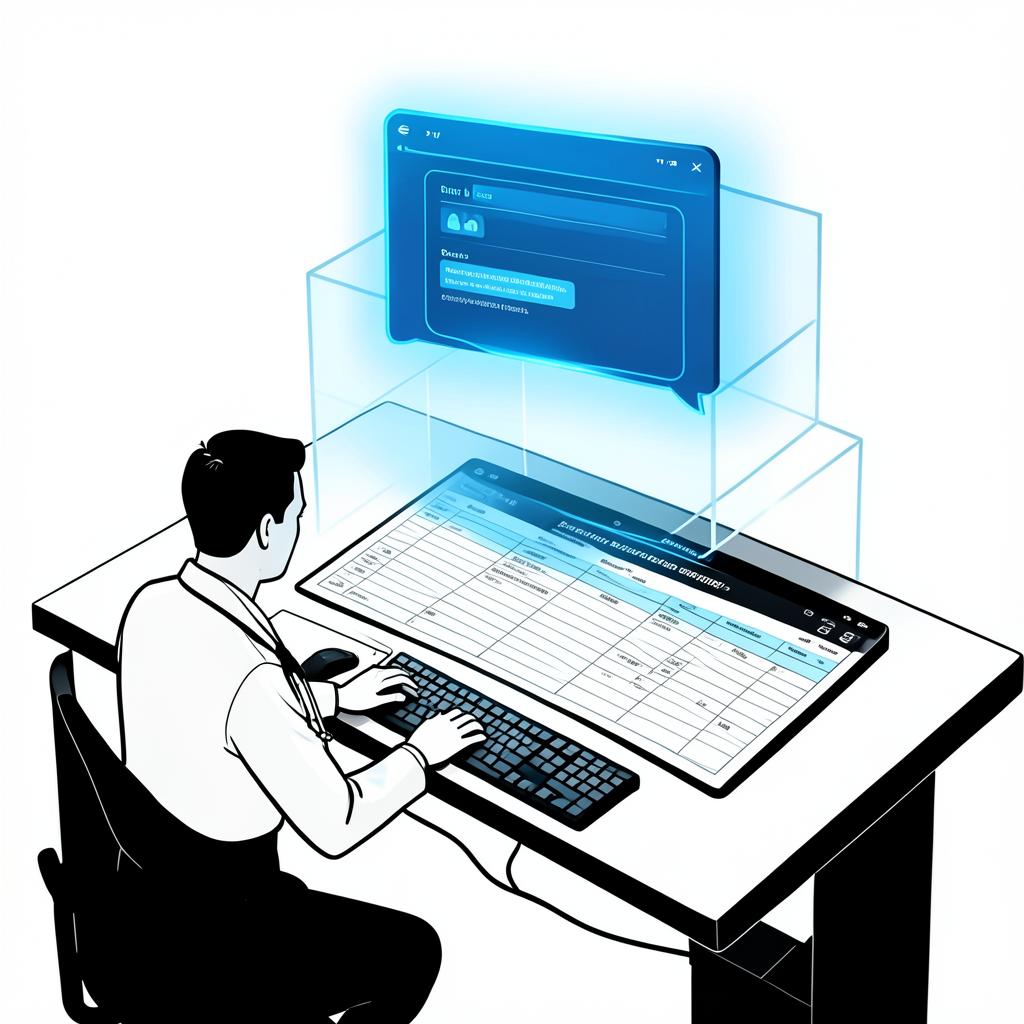
The deeper architectural signal is the convergence of EHR workflow execution with evidence-based medicine. By operating inside the exam room, Suki possesses real-time conversational context that no traditional search engine can access. Suki Ask can identify when a physician discusses switching an antihypertensive medication, automatically query UpToDate for contraindications given the patient's recorded chronic kidney disease stage, draft the prescription order and propose the corresponding ICD-10 coding, all before the patient leaves the room.