A patient arrived recently convinced he had severe sleep apnea based on a nightly wearable score that flagged repeated drops in blood oxygen and long stretches of what the app labelled disrupted sleep. He was, by his own account, functioning well during the day, with no partner reports of loud snoring or observed pauses in breathing. A single night of in lab polysomnography found mild, borderline findings that did not meet the threshold for a clinical diagnosis requiring treatment. The wearable was not lying, exactly, but it was answering a different question than the one a diagnostic sleep study answers, and the gap between those two questions is one that longevity minded patients increasingly stumble into.
Sleep has become one of the most heavily marketed pillars of the longevity movement, and for good reason: the underlying research connecting chronic poor sleep to cardiovascular disease, metabolic dysfunction, cognitive decline and all cause mortality risk is genuinely substantial and has been for years. What has changed more recently is the sophistication of consumer tools claiming to measure it, from wearable rings and watches that estimate sleep stages and blood oxygen patterns to under mattress sensors that track movement and breathing rate without any device worn on the body.
What consumer devices are actually estimating
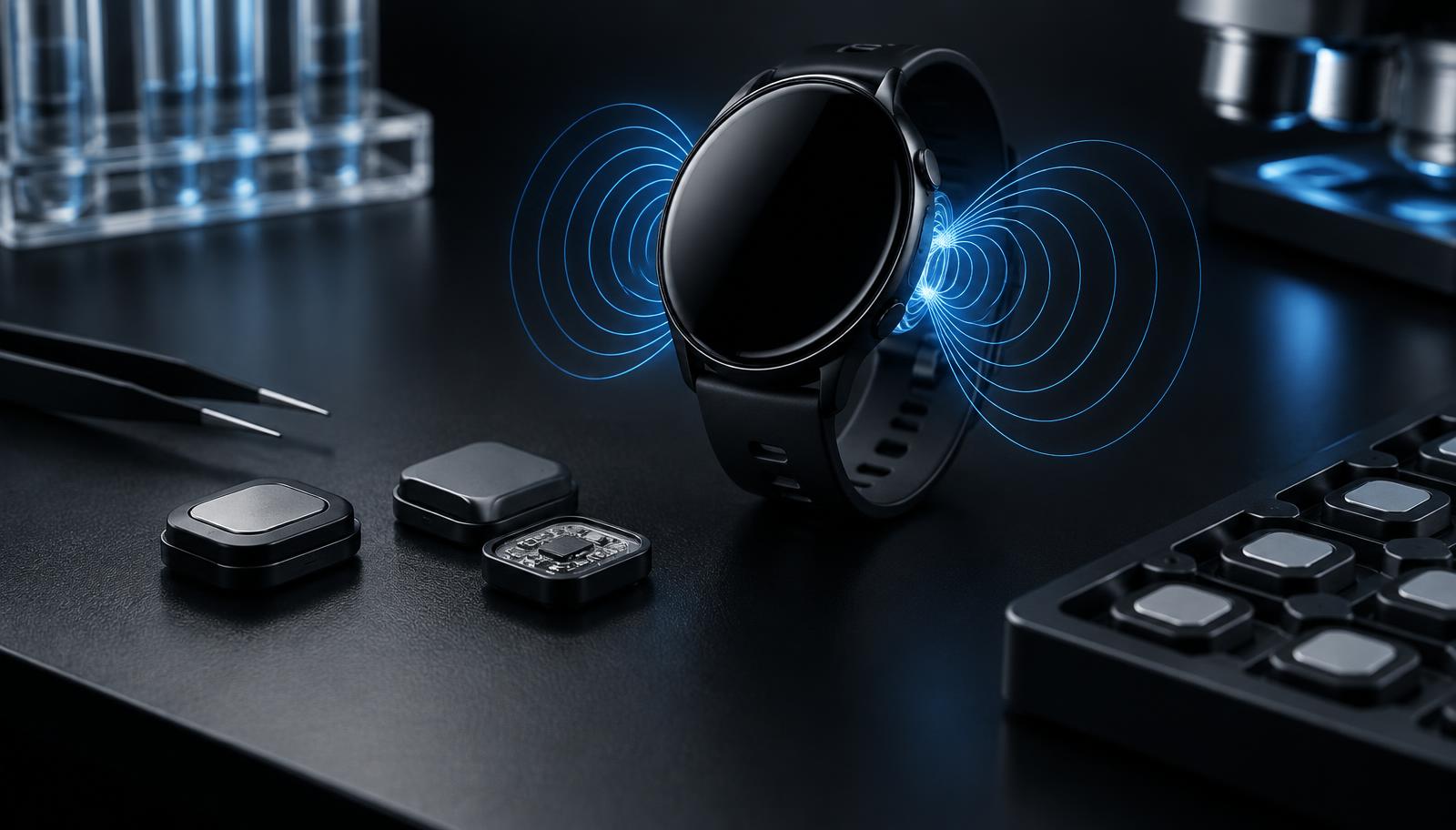
Most consumer sleep wearables infer sleep stage and quality from a combination of movement data, heart rate variability, and in some cases a low fidelity blood oxygen estimate, using algorithms trained against smaller validation studies that compared device output to lab based polysomnography in specific populations. These validation studies generally show reasonable, and improving, agreement on broad categories like total sleep time and time spent awake, but persistently weaker agreement on the finer grained distinctions between light, deep and REM sleep stages, which is exactly the kind of granular data many consumer apps present with confident specificity.
Why polysomnography remains the diagnostic standard
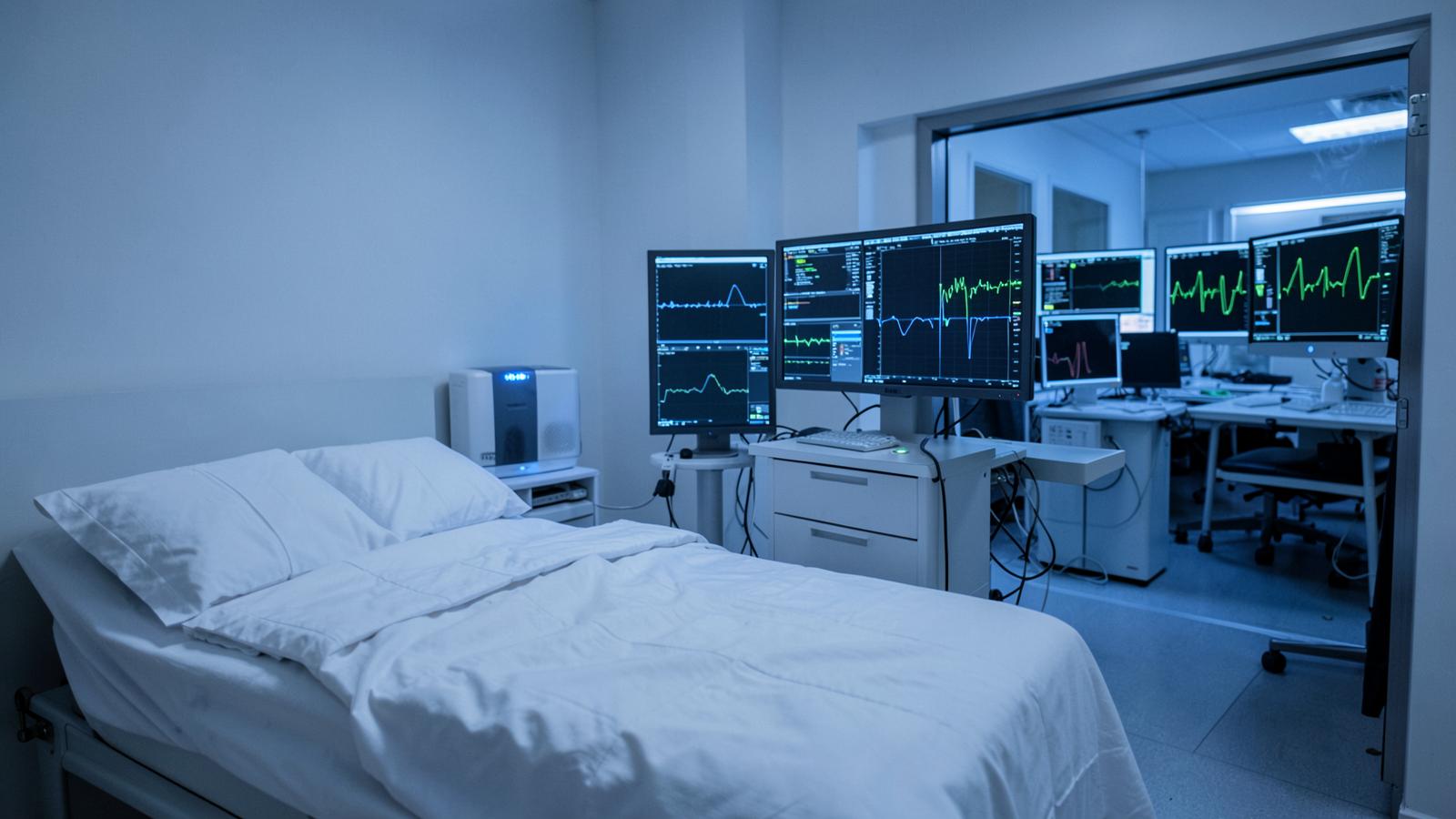
Clinical polysomnography measures brain wave activity directly through electroencephalography, alongside eye movement, muscle activity, airflow, breathing effort and blood oxygen, recorded simultaneously and interpreted by a trained sleep technologist and physician. That combination is what allows a sleep lab to distinguish between, for example, apnea related oxygen drops and other causes of disrupted sleep, or to properly stage sleep architecture rather than estimate it indirectly from movement and heart rate patterns. No current consumer wearable measures brain activity directly, which is the central reason sleep medicine societies continue to treat polysomnography, or validated home sleep apnea tests for specific suspected conditions, as the diagnostic standard rather than wearable data.
This does not make consumer wearables useless. For tracking broad trends over time, such as whether a change in alcohol intake, evening screen use or a new medication correlates with worse total sleep time or more fragmented sleep, longitudinal wearable data can be genuinely informative to a patient and their physician, particularly when the same device is used consistently over months rather than compared against a single night's reading. The mistake is treating a wearable's nightly score as equivalent to a diagnostic result, or using it to rule out a condition like sleep apnea that specifically requires the kind of physiological measurement wearables do not perform.

The clinical pathway that actually works
The more useful role for consumer sleep data in a longevity practice is as a screening prompt rather than a diagnosis: a wearable that consistently flags low oxygen saturation patterns, unusually fragmented sleep, or a pattern consistent with sleep disordered breathing over many nights is a reasonable trigger for a conversation about a proper diagnostic sleep study, particularly in patients with other risk factors such as elevated body mass index, hypertension or reported daytime sleepiness. Used this way, the technology extends the reach of sleep medicine by identifying people who might benefit from formal evaluation, without asking the device to do the diagnostic work itself.
Key Signals
Consumer sleep wearables have improved meaningfully in estimating total sleep time and broad sleep quality trends, but validation studies continue to show weaker agreement with lab based measurement on detailed sleep stage breakdowns than the confident specificity of many consumer apps implies. Polysomnography remains the diagnostic standard for sleep disorders because it measures brain activity and breathing physiology directly, a category of data no current wearable captures. The most clinically useful role for wearable sleep data in a longevity practice is as a screening prompt that triggers a referral for formal testing, not as a substitute for that testing. Patients and clinics should treat single night wearable readings with caution and reserve real diagnostic weight for longitudinal patterns combined with, where indicated, a proper in lab or validated home sleep study.