Most continuous glucose monitors still ask patients to wear something visible on skin. Senseonics is testing whether a year-long implantable sensor can talk straight to a phone, with no transmitter stuck above it. On 26 October 2026 the company started first-in-human work on Freedom. That is early feasibility, not clearance, and the dates that follow are company targets.
What follows is the world around that bet: how implantable interstitial CGM separates from patch filaments, what the Evidence Ladder still lacks, how clinic insertion capacity supports adoption, and how capital should distinguish a public-company research milestone from future commercial targets.
Why this matters now
CGM competition has been framed for years around accuracy (MARD), alert quality, and AID integration. Freedom reframes the next line of competition as form-factor burden: whether any exterior component must sit on skin for a year-long implantable sensor. Senseonics (NYSE American: SENS) is a public company with a commercial one-year product (Eversense 365, FDA 510(k) K241335) and a disclosed pipeline (Gemini, Freedom). FIH initiation on 26 October 2026 is an early feasibility step, not clearance.
For operators, the near-term decision is whether to expand Eversense clinic capacity ahead of a transmitter-free SKU, or wait for pivotal clarity. For capital allocators, the near-term decision is how much weight to give company launch targets versus FIH functional endpoints. Those are different clocks, and mixing them is why research and commercial calendars should be evaluated separately.
What actually happened
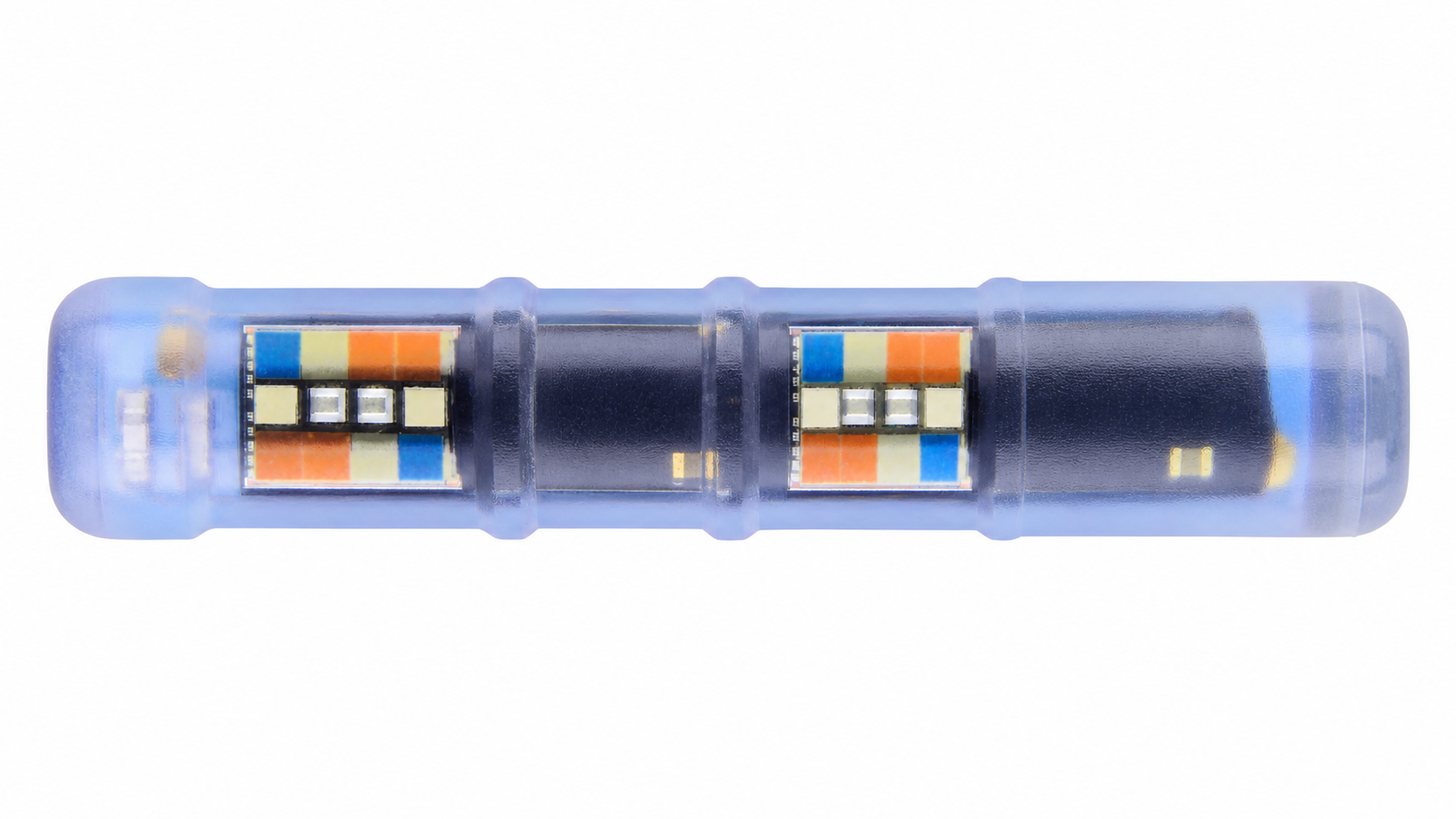
On 26 October 2026, Senseonics Holdings announced initiation of an early feasibility first-in-human study of Freedom. Freedom builds on Eversense 365 sensing chemistry, adds an integrated battery and embedded Bluetooth Low Energy, and is designed to communicate directly with a mobile device with no external on-body transmitter. Study purpose: clinical safety and device functionality, including Bluetooth through tissue. Insights are intended to inform a pivotal study Senseonics expects to initiate in 2027, with a potential commercial launch targeted for 2028.
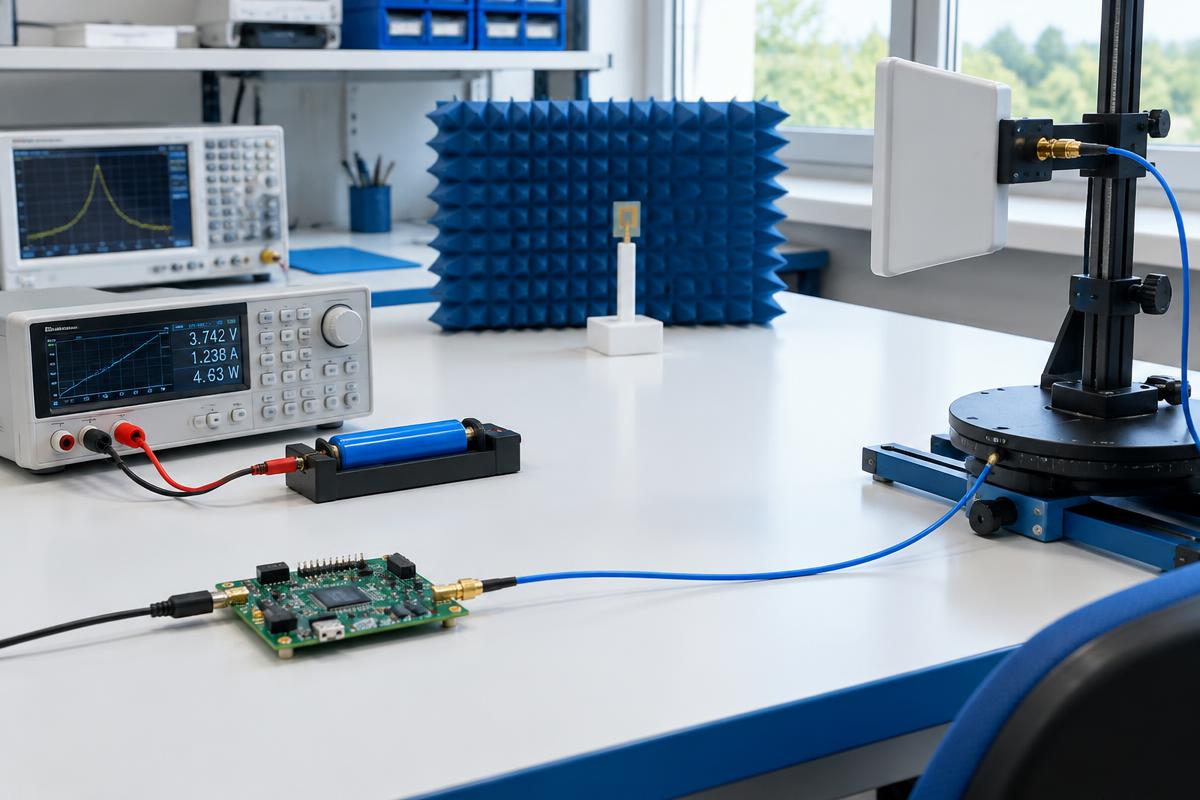
The company describes preclinical antenna work as background to the human study. Laboratory communication measurements remain distinct from human reliability, long-term battery performance and clinical accuracy.
Commercial context that makes Freedom intelligible: Eversense 365 received US FDA clearance on 17 September 2024 as an integrated CGM (iCGM) and US commercial launch began 1 October 2024 under the prior Ascensia Diabetes Care distribution relationship. Senseonics later took over US commercialization effective 1 January 2026 under definitive agreements announced with Ascensia / PHC Holdings, with Brian Hansen (formerly President of CGM at Ascensia; previously Chief Commercial Officer at Tandem Diabetes Care) joining Senseonics as Chief Commercial Officer. European commercialization transition support was described as completing on or before 30 June 2026 in Ascensia's January 2026 announcement. Gate 1: SENS remains a public filer; Freedom pivotal timing and 2028 launch language sit under forward-looking SEC safe harbor in the 26 Oct release.