The early version of the preventive longevity screening clinic looked a lot like a diagnostic imaging shop with better branding: a patient books a package of scans and blood panels, receives a lengthy report, and leaves with a stack of findings and little structured support for acting on any of them. That model generated real revenue and real attention through 2023 and 2024, but a number of operators are now openly rethinking it, and the shift underway through 2026 says something useful about where this category is heading.
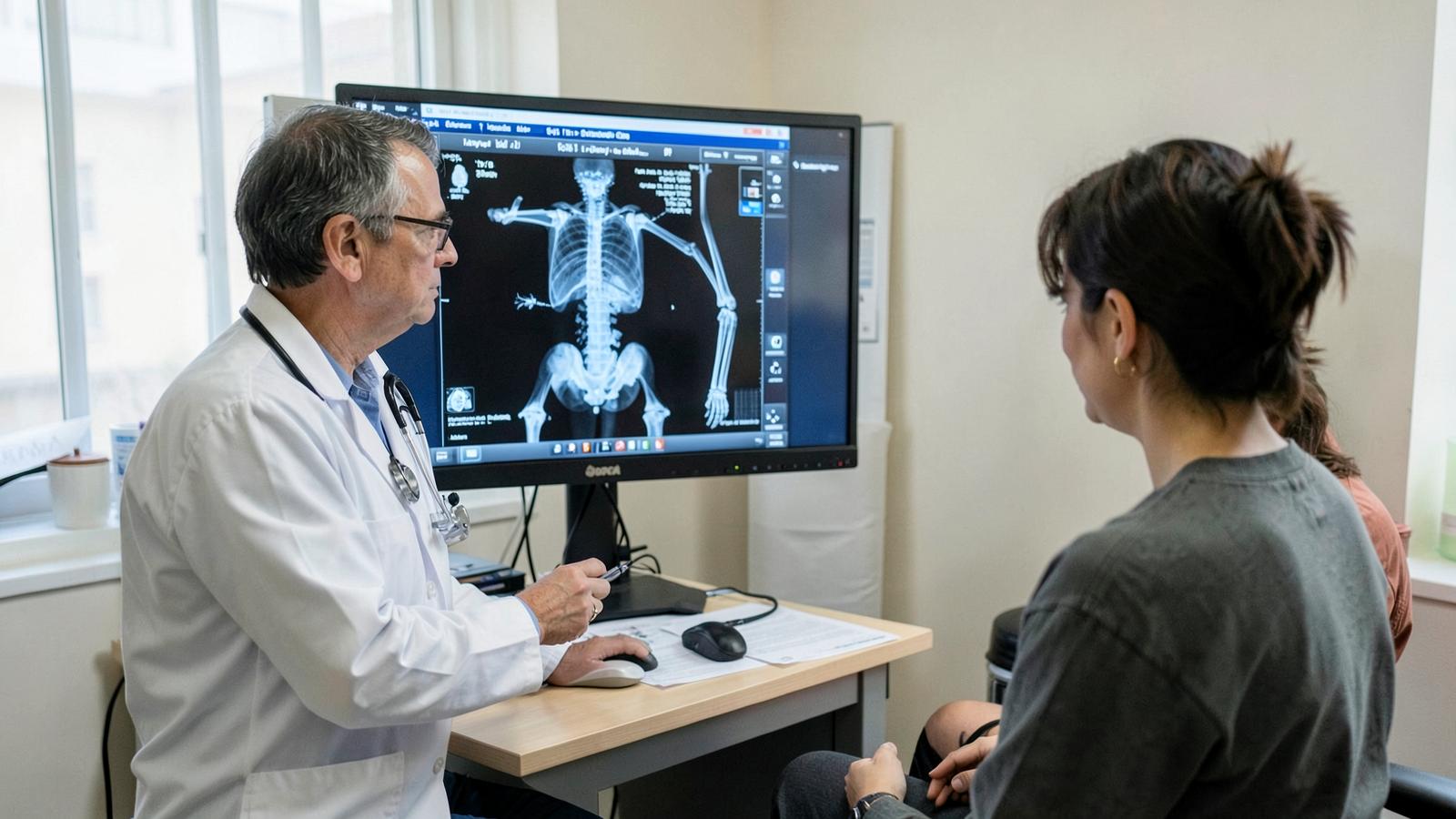
The core problem with the one-off scan model was never the diagnostics themselves, it was what happened after. A patient who receives a report flagging elevated visceral fat, borderline cholesterol markers and a mildly concerning finding on an imaging study needs a plan, a clinician to interpret the results in context, and a mechanism for follow up over months, not a single dense document and a bill. Clinics that stopped at the report were, in effect, generating anxiety and incidental findings without the infrastructure to manage either, which is precisely the criticism that has dogged elective whole body screening more broadly.
The subscription pivot
The operators adapting most successfully are restructuring around a subscription or membership model that treats the initial diagnostic workup as the beginning of a relationship rather than the product itself. That typically means pairing baseline testing with a recurring cadence of clinician check ins, structured coaching on the specific findings that emerged, whether that is a nutrition consult for a metabolic marker, a referral to a strength program for a body composition finding, or specialist referral for anything genuinely concerning, and a defined schedule for repeat testing to track whether interventions are working.
This is a more defensible clinical model and, notably, also a more defensible business model. A single scan package is a one time transaction with a large upfront cost and no guaranteed repeat revenue. A subscription that includes ongoing coaching and periodic retesting creates recurring revenue and, done well, better retention, because patients who see a follow up plan attached to their results are more likely to stay engaged than patients handed a static report.
Why this requires different talent than a scanning centre
Building this model well requires a different staffing mix than a pure diagnostic centre. Radiologists and lab technicians can produce the initial data, but interpreting it in the context of an individual patient's goals and coordinating a follow up plan requires physicians, dietitians, exercise physiologists and care coordinators working as an integrated team rather than a diagnostic service handing off a report to a patient's separate primary care doctor. Clinics that have tried to bolt this coordination layer on after the fact, rather than building it into the model from the start, have generally struggled with it, since coordinated follow up care is operationally harder to run well than a scanning appointment.

The evidence question does not disappear
It is worth being clear that shifting the business model to a subscription with follow up coaching addresses the operational and anxiety problems of one-off scanning, but it does not by itself resolve the deeper evidence question of whether broad based screening in low risk, asymptomatic adults improves outcomes at a population level. That question remains genuinely open and will likely require years of outcomes research to settle properly. What the subscription model does improve is the handling of whatever the screening finds, incidental or otherwise, which is a meaningful improvement in care quality even if it does not settle the underlying screening efficacy debate.

What a credible version of this model looks like
The clinics most likely to build durable businesses in this category are the ones being explicit with patients about what their testing can and cannot tell them, building genuine multidisciplinary follow up rather than a report and a handshake, and using their own longitudinal patient data to build an internal evidence base over time rather than relying solely on external literature to justify each component of the offering. That is a slower, more operationally demanding path than selling scan packages, but it is the version of this business model with a plausible route to genuine clinical credibility over the next several years.
Key Signals
The preventive screening clinic category is shifting from one-off diagnostic packages toward subscription models that pair testing with ongoing coaching, follow up and repeat measurement, addressing the well documented problem of patients receiving dense reports with no structured plan for acting on them. This shift improves the operational and care quality side of the business without resolving the separate, still open scientific question of whether broad population screening in asymptomatic adults improves outcomes. Building the subscription model credibly requires a genuinely multidisciplinary clinical team rather than a diagnostic centre with an added report, which is a harder staffing and operations problem than running a scanning service alone. The clinics most likely to build lasting trust in this category will be the ones that treat their own longitudinal patient data as an evidence generating asset, rather than relying only on external literature to support each element of their offering.