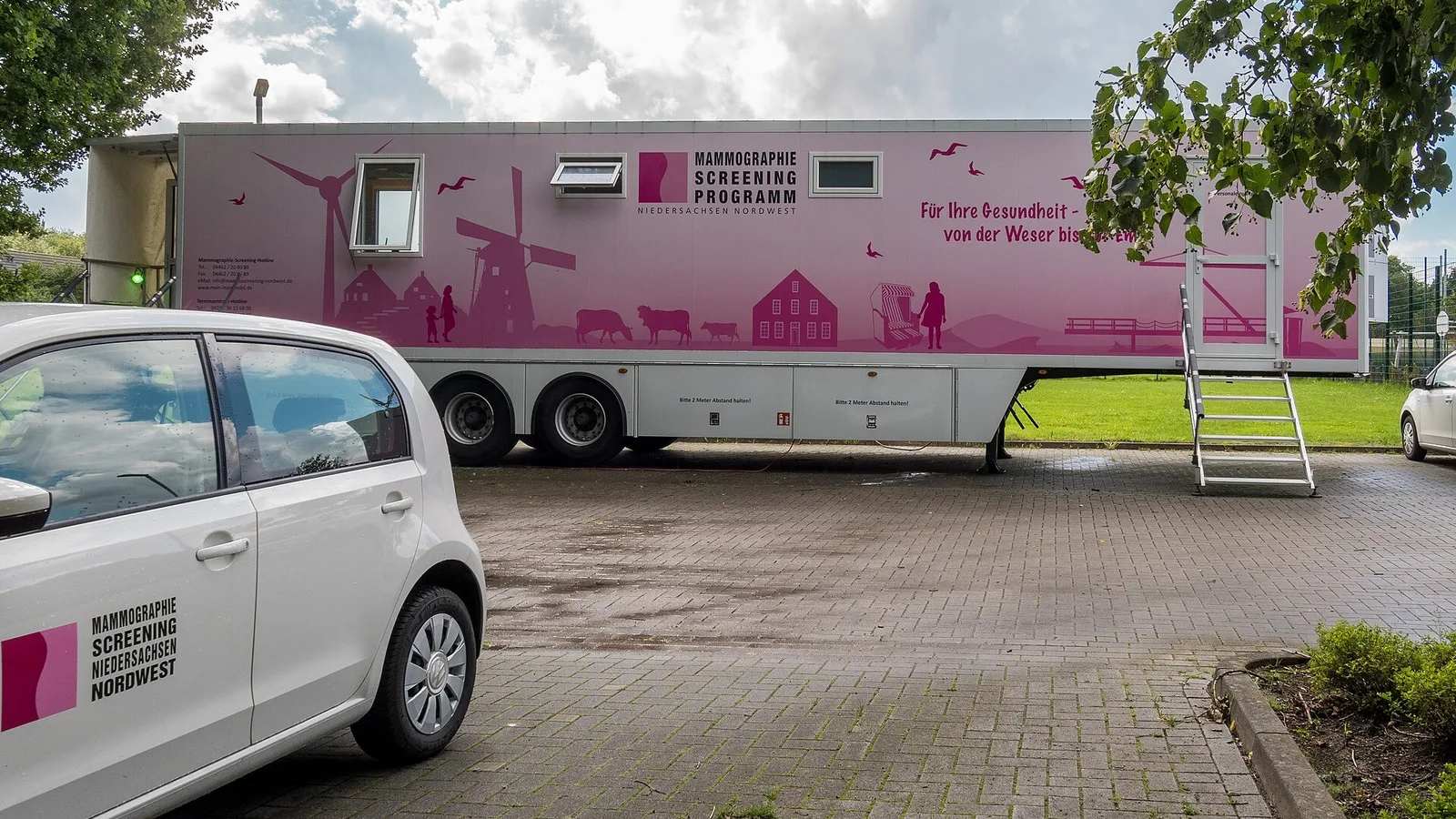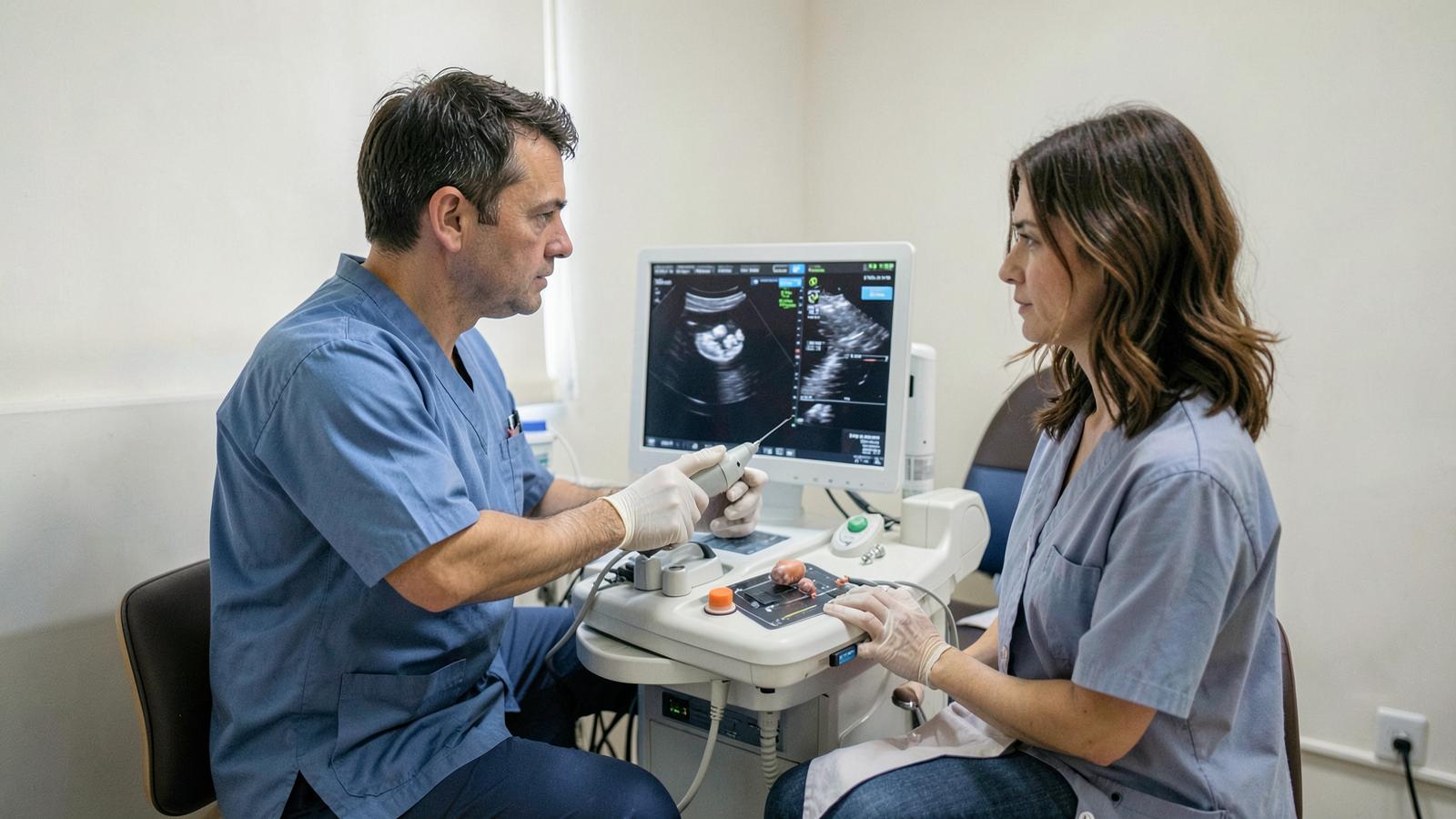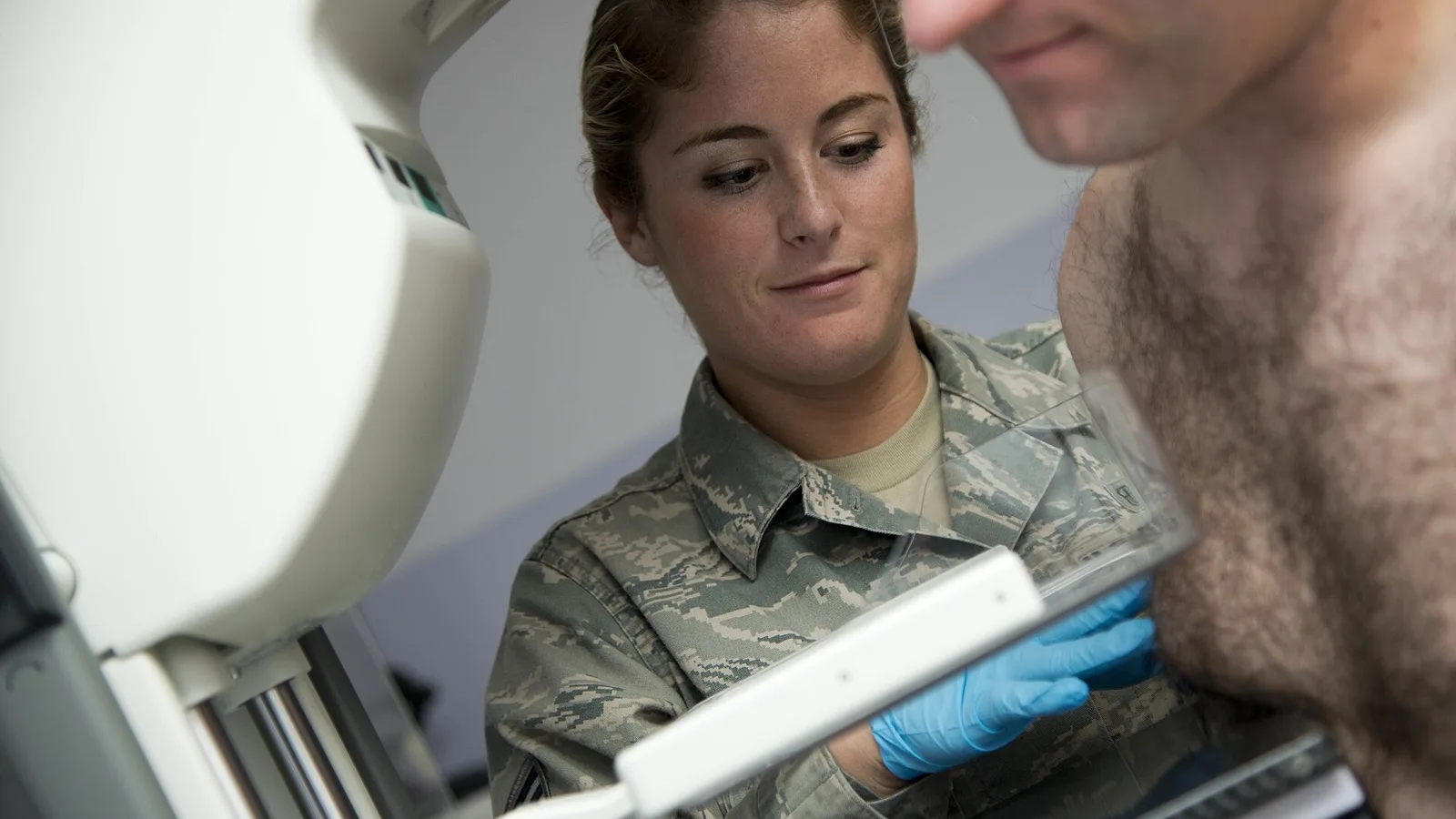

Cervical cancer is among the most preventable cancers when screening and follow up care happen on schedule, yet a substantial share of eligible women in the United States and comparable health systems do not get screened as recommended. The reasons are familiar to anyone who has studied screening uptake: discomfort with the pelvic exam itself, difficulty scheduling appointments around work and childcare, lack of a regular gynecologist, and for some women, prior negative experiences with clinical care that make return visits feel unappealing. Self collection HPV testing, which allows a woman to collect her own vaginal swab sample rather than undergo a clinician performed pelvic exam, has moved from a research question to an active rollout across several health systems and screening programs this year.
The clinical logic behind self collection is well established at this point. Studies comparing self collected samples against clinician collected samples for HPV testing, which underlies most modern cervical cancer screening protocols, have found the approaches produce comparable accuracy for detecting high risk HPV strains, the primary driver of cervical cancer. That evidence base is what has allowed regulators and screening guideline bodies in multiple countries to begin approving or piloting self collection as an accepted alternative pathway rather than treating it as an experimental substitute for clinician collected samples.
Where self collection is landing first
The most active early deployment has been through mail order kits distributed either directly to patients who have lapsed on screening or through primary care and telehealth channels that identify patients overdue for a cervical screen. A woman receives a kit, collects a sample following clear instructions, and returns it by mail to a laboratory for HPV testing, receiving results through a patient portal or a telehealth follow up call. If the result is positive for high risk HPV, she is then routed into the traditional clinical pathway for colposcopy and further evaluation, meaning self collection functions as a triage and access tool rather than a full replacement for clinical infrastructure.
Public health systems and safety net clinics have been particularly interested in this model because the patients least likely to be up to date on screening are often the same patients facing the greatest structural barriers to care, including transportation, work schedule inflexibility and lack of consistent insurance coverage. A mail based or pharmacy distributed kit removes several of those barriers at once, without requiring a woman to take time off work or arrange childcare simply to complete a screening test.

The follow up problem
The harder part of this model, and the part health systems are still working through carefully, is what happens after a positive result. Self collection solves the access problem for the initial screening step, but a positive HPV result still requires timely follow up with colposcopy and potentially biopsy, procedures that require an in person visit with specialized equipment. Programs that distribute self collection kits without a clear, resourced pathway for following up positive results risk creating a new gap further down the pipeline rather than closing the original one. The health systems seeing the best results are those that pair the kit distribution with proactive care navigation, ensuring a patient with a positive result gets scheduled for follow up quickly rather than being left to arrange it herself.
There is also a documentation and record keeping dimension that matters more than it might initially seem. Cervical screening intervals depend on accurate records of when a woman was last screened and what the result was, and self collection programs need to feed results back into the same clinical record systems used for traditional screening so that a woman is not screened unnecessarily often or, worse, allowed to lapse because her self collected result was not properly logged into her broader medical history.
What this means for the wider screening landscape
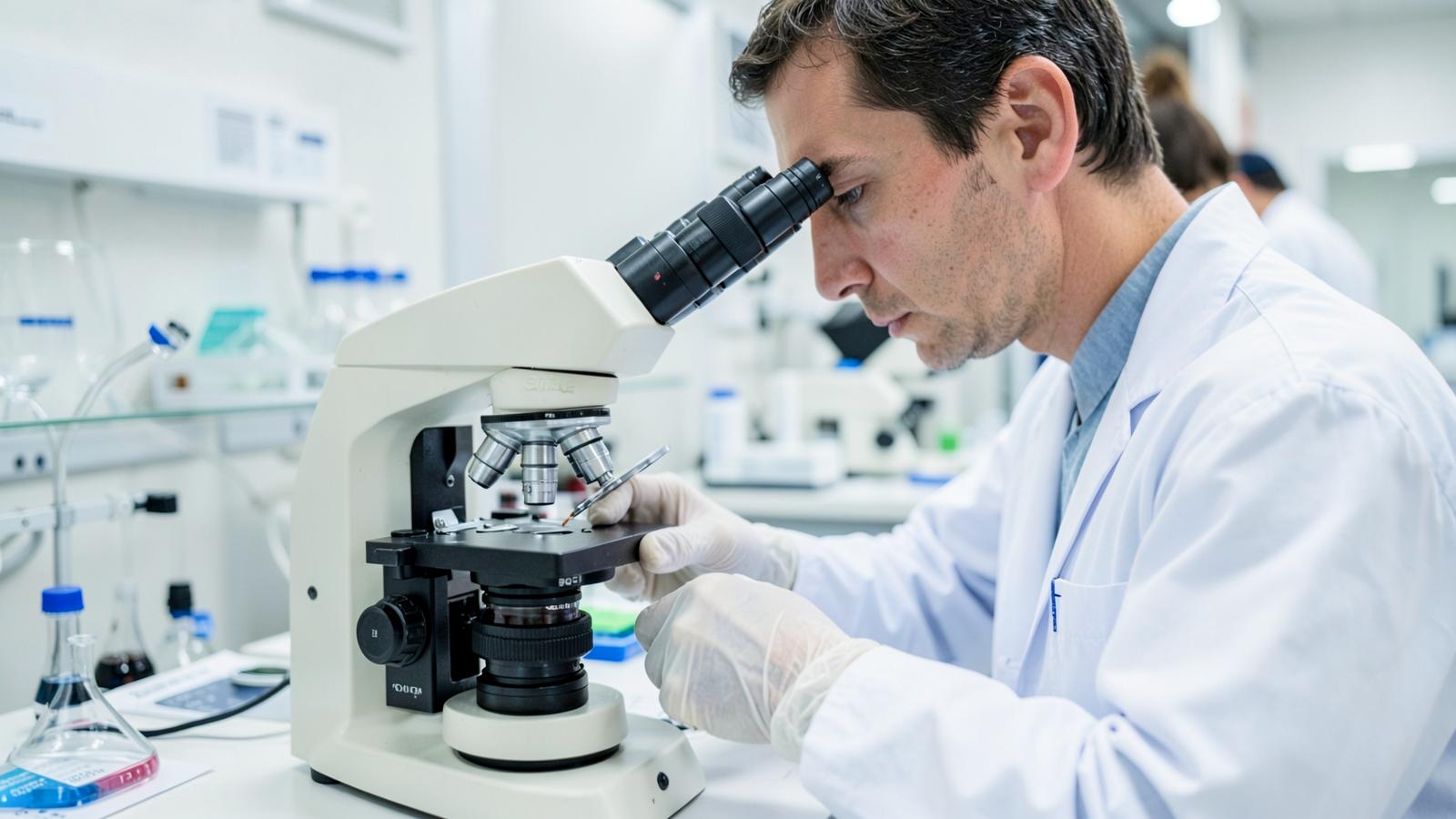
Self collection cervical screening sits alongside other efforts to modernize preventive women's health screening, including at home options being explored for other conditions and broader pushes to bring screening into pharmacies and community settings rather than requiring a traditional clinic visit. The common thread is a recognition that the traditional model, built around a scheduled visit to a gynecologist's office, works well for women who already have consistent access to that kind of care, but leaves a meaningful gap for those who do not, and that gap tracks closely with broader health equity disparities.
Key Signals
Self collection HPV testing has moved from research validation to active rollout because the underlying accuracy evidence is now strong enough for guideline bodies and regulators to treat it as a legitimate alternative screening pathway rather than an experimental substitute. The model works best as a triage tool that gets more women into the screening pipeline in the first place, not as a full replacement for clinical infrastructure, since positive results still require in person follow up. Programs that pair kit distribution with proactive care navigation for positive results are seeing meaningfully better outcomes than those that treat distribution alone as success. The approach is likely to expand fastest through safety net and public health channels, where the structural barriers to traditional screening access are most acute and where the equity case for removing them is clearest.