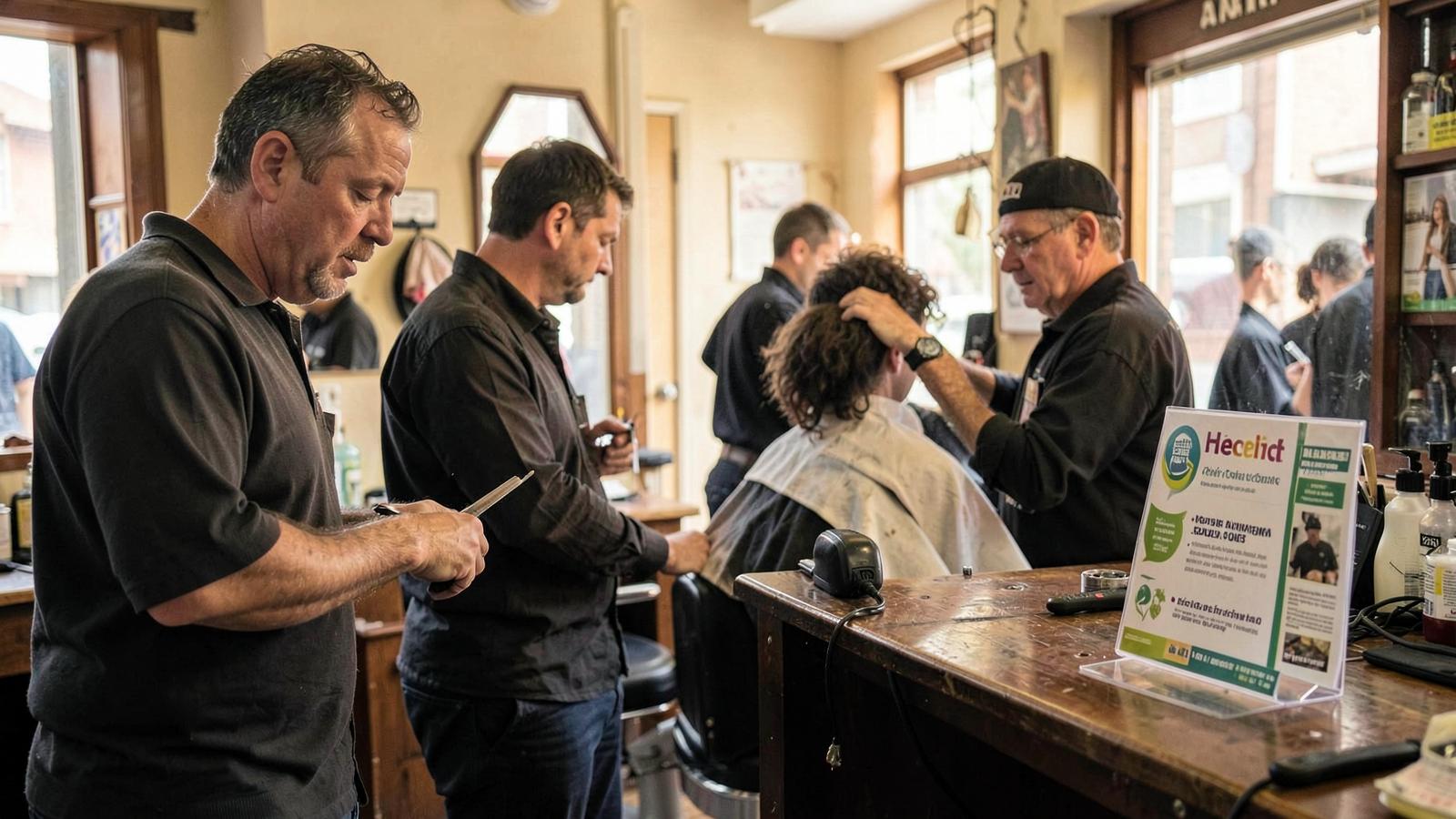
A randomized trial published in the New England Journal of Medicine nearly a decade ago demonstrated something that has since become one of the more durable models in community health outreach: pairing pharmacists with barbershops serving Black men produced meaningfully better blood pressure control than referral to standard primary care alone. The trial's core insight was not really about pharmacology. It was about trust and access, meeting men in a setting they already visited regularly, staffed by people they already had an ongoing relationship with, rather than asking them to initiate contact with an unfamiliar clinical environment.
That model has continued to expand well beyond its original blood pressure screening focus, and the pace of that expansion has picked up further through 2026 as more health systems, public health departments and community organizations have built their own versions of the approach for other conditions where Black men in particular, and men generally, face both elevated risk and documented barriers to timely engagement with the healthcare system.
Why the model transfers so well
The underlying mechanics of why the barbershop model works translate reasonably cleanly across conditions beyond blood pressure. A barbershop visit happens on a recurring schedule, often monthly, giving a screening program a natural, repeated touchpoint rather than a single interaction. The setting carries none of the institutional formality of a clinic, and conversations about health can happen informally, prompted by a leaflet on the counter or a brief conversation with a trained community health worker rather than a scheduled appointment that requires an explicit decision to seek care. And the barbers themselves, trusted figures with long-standing relationships to their clients, can reinforce a screening recommendation or a referral in a way that carries more weight than the same message delivered by an unfamiliar clinician.
Where the model has expanded
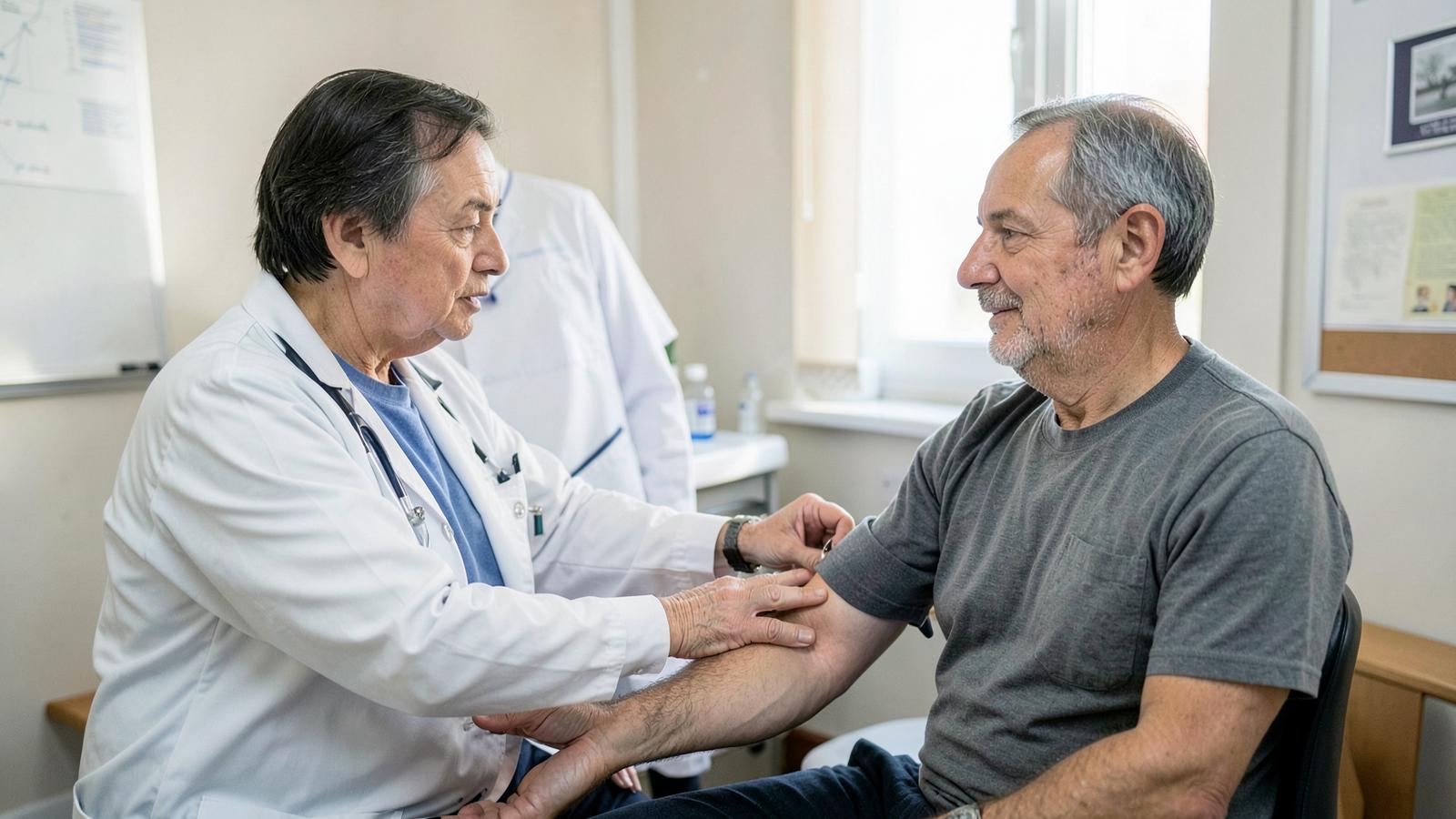
Diabetes screening programs have adopted a similar structure, offering point-of-care blood glucose or hemoglobin A1c testing during a barbershop visit, with community health workers trained to explain results and facilitate a referral for men who screen positive for prediabetes or undiagnosed diabetes. Prostate cancer awareness programs have used the same venue to distribute information about screening decisions and family history risk factors, an important adaptation given that Black men face both higher prostate cancer incidence and higher mortality than the general population, disparities that community-based outreach is specifically positioned to help address given persistent gaps in trust and access to traditional healthcare settings.
Mental health screening, discussed elsewhere as a category struggling with engagement in app-based formats, has also found a foothold in barbershops, with some programs training barbers themselves in basic mental health first aid, giving them language and referral resources for conversations that were, in many cases, already happening informally during a haircut long before any formal program existed. Formalizing that existing dynamic, rather than trying to build an entirely new channel from scratch, has proven to be one of the more efficient uses of public health resources in this space.
The scaling challenge
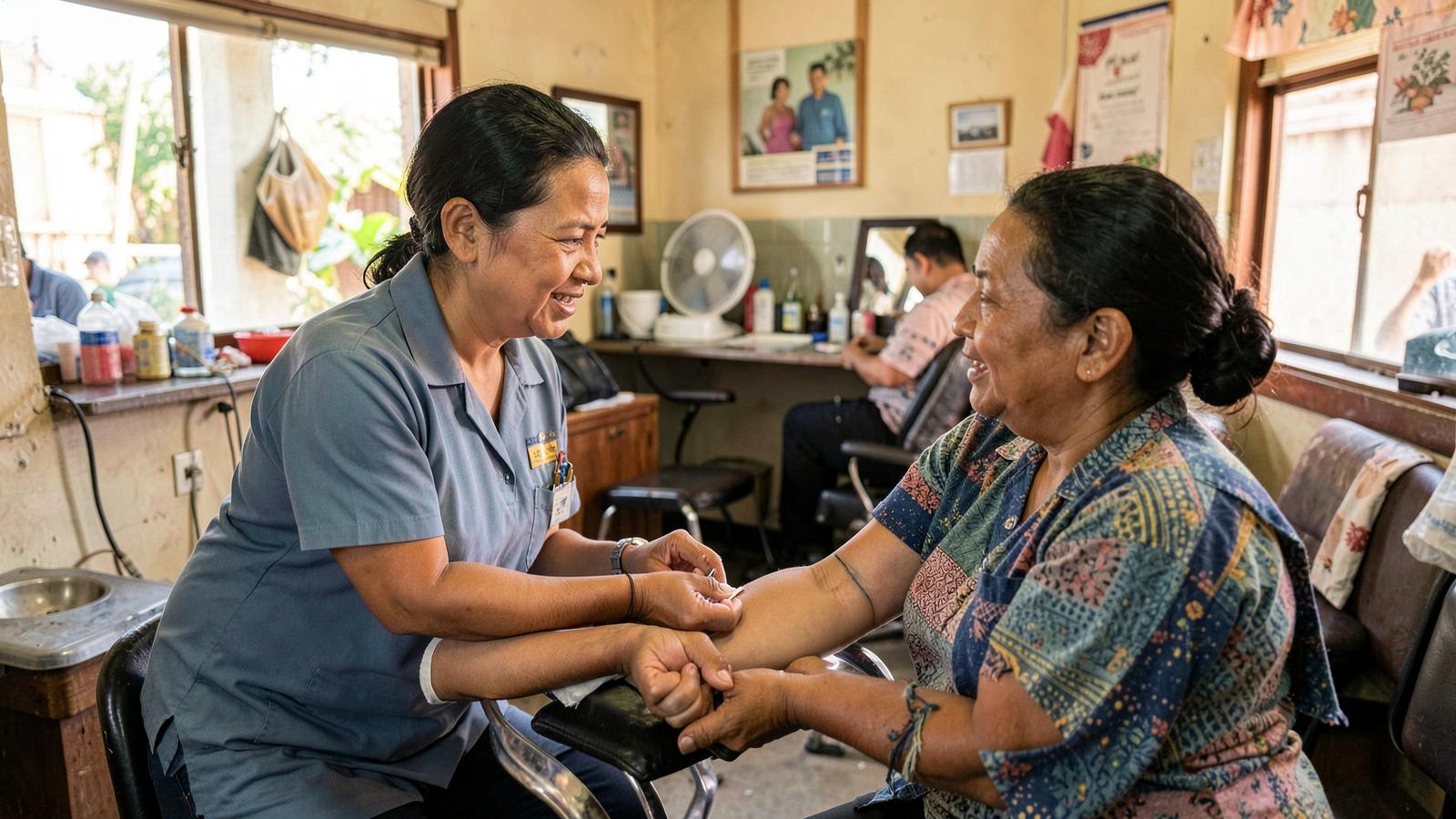
The model's biggest constraint has always been that it depends on genuine, sustained relationships between health programs and specific barbershops and their staff, which does not scale in the same way a digital platform does. Programs that have tried to expand quickly across many locations without investing in the relationship-building and training that made the original model work have generally seen weaker results than the more deliberately built, slower-growing programs that treat each barbershop partnership as a genuine long-term relationship rather than a distribution checkbox. Public health funders backing these expansions have increasingly recognized that the model's value lies precisely in its high-touch, relationship-dependent nature, and that trying to strip that out in pursuit of faster scale undermines the thing that made it effective in the first place.
What health systems and public health departments are learning
The clearest lesson for institutions trying to replicate this model elsewhere is that it is a trust-building exercise before it is a screening logistics exercise, and programs that lead with the logistics, drop-in blood pressure cuffs or glucose meters, without investing in the barber relationships and community health worker training that built the original trial's credibility, tend to underperform. The programs seeing the most durable results have generally started with a small number of barbershops, built genuine long-term partnerships, and expanded deliberately rather than attempting to launch across dozens of locations simultaneously.
Key Signals
The barbershop health screening model's expansion beyond blood pressure into diabetes, prostate cancer awareness and mental health confirms that its original success traced to trust and access dynamics that generalize across conditions, not to anything specific about cardiovascular screening. The model's dependence on genuine, sustained relationships between health programs and individual barbershops is simultaneously its greatest strength and its primary scaling constraint, meaning programs that pursue rapid geographic expansion without proportional investment in relationship-building consistently underperform more deliberately built programs. Training barbers themselves in basic health screening and referral literacy, particularly for mental health, formalizes a conversation that was often already happening informally, making it one of the more resource-efficient outreach investments available to public health programs. The persistent racial disparities in prostate cancer outcomes and cardiovascular risk that originally motivated this model remain the clearest evidence that community-based, trust-driven outreach continues to fill a gap that traditional clinical referral pathways have not closed on their own.