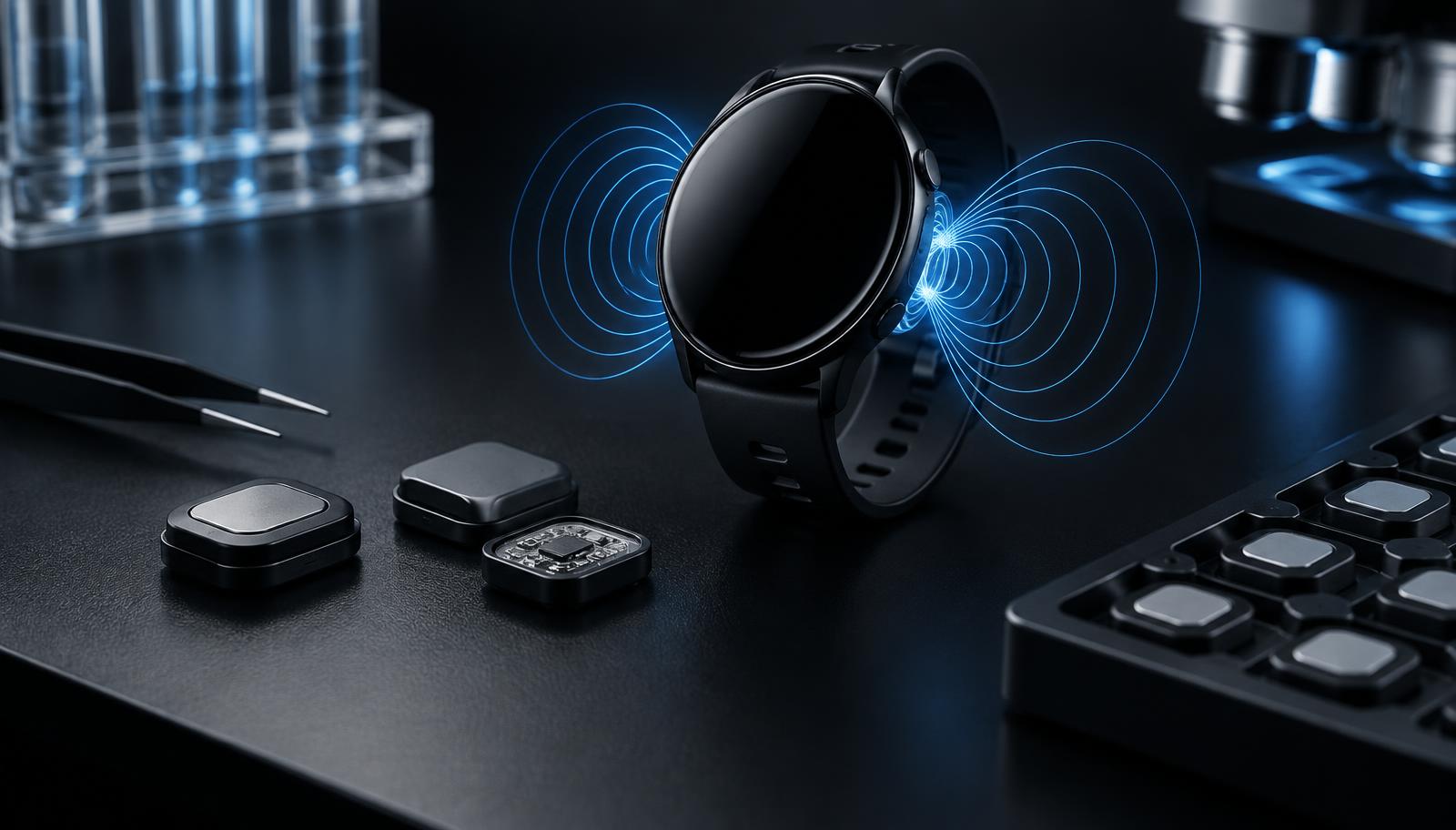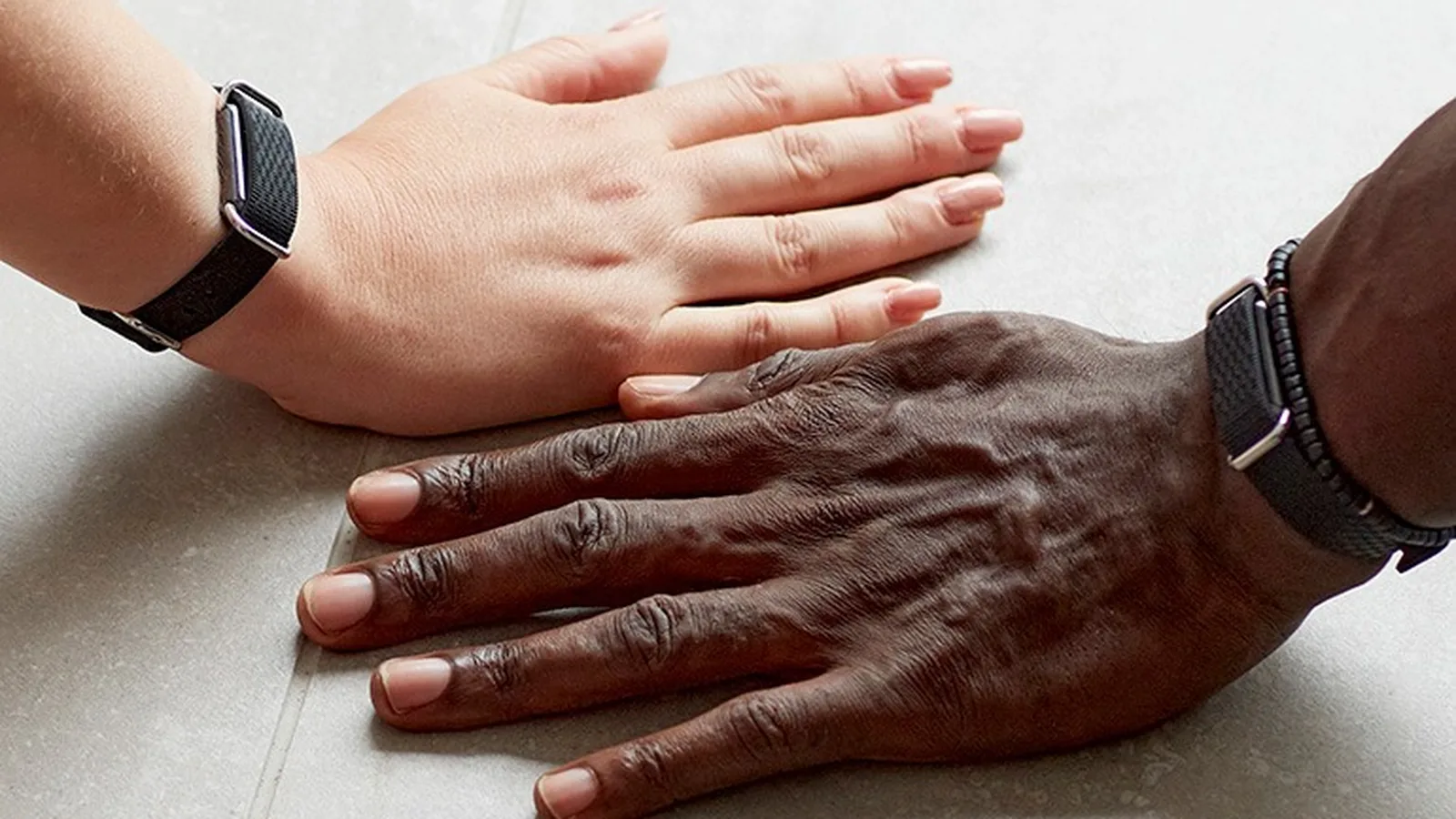
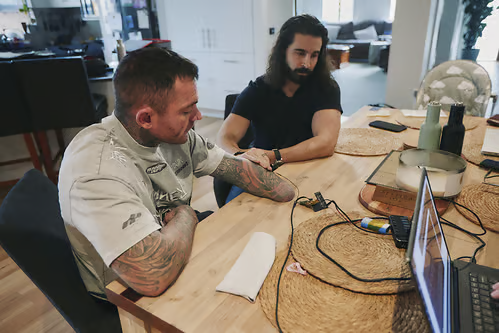
Controlling an advanced prosthetic hand depends on reading the wearer's intent. Surface electrodes on the skin can lose signal quality through sweat, movement and poor contact. Phantom Neuro is pursuing a different route: a small sensor placed beneath the skin of the residual limb, closer to the muscles that still respond when a person imagines moving a missing hand.
The company's October 20 announcement marks the first time its Phantom X system has been implanted in humans. That is a genuine milestone and also an early one. An early feasibility study is designed to explore safety and basic function in a small number of participants, not to establish that a product is ready for routine clinical use.
In This Deep Dive
- Why this matters now
- What actually happened
- The obvious read versus the deeper signal
- Taxonomy: Where the interface sits
- The evidence ladder: From bench to first-in-human
- The HealthTech Investor's Signal
- Adoption priorities
- Forward Intelligence: Four developments to watch
- The Bottom Line for Rehabilitation and MedTech Leaders
Why this matters now
Many people with upper limb loss who try advanced myoelectric prosthetics stop using them. A frequently cited reason is the control interface: surface electrodes can be unreliable, and switching between grip patterns can feel clumsy. Better robotic hands have not solved that problem on their own, because the bottleneck is the quality of the signal reaching them.
One response has been to pursue brain-computer interfaces, which offer rich signals at the cost of neurosurgery. Sub-dermal sensing proposes a middle path: capture muscle activity from inside the residual limb, where the signal is stronger and more stable than at the skin surface, using a procedure far smaller than a craniotomy. Whether that trade-off delivers reliable, durable control is exactly what early human studies exist to test.
What actually happened
Phantom Neuro announced on October 20, 2026 that its Phantom X sub-dermal system had been implanted in the first two participants of its CYBORG early feasibility study at Cabrini Health in Melbourne, Australia. The company describes outpatient procedures under local anesthesia and says participants directed an on-screen cursor and a robotic hand by imagining movement. These are company-reported early results, not yet peer-reviewed findings.
The Austin-based company was founded by Dr. Connor Glass. It raised a $19 million Series A led by prosthetics manufacturer Ottobock in April 2025, has received research support connected to DARPA, and announced FDA Breakthrough Device designation and participation in the FDA's TAP pilot in March 2025. A supplied briefing describes enrolment in a joint FDA and CMS reimbursement pathway; we could not verify that claim and have not used it.
The obvious read versus the deeper signal
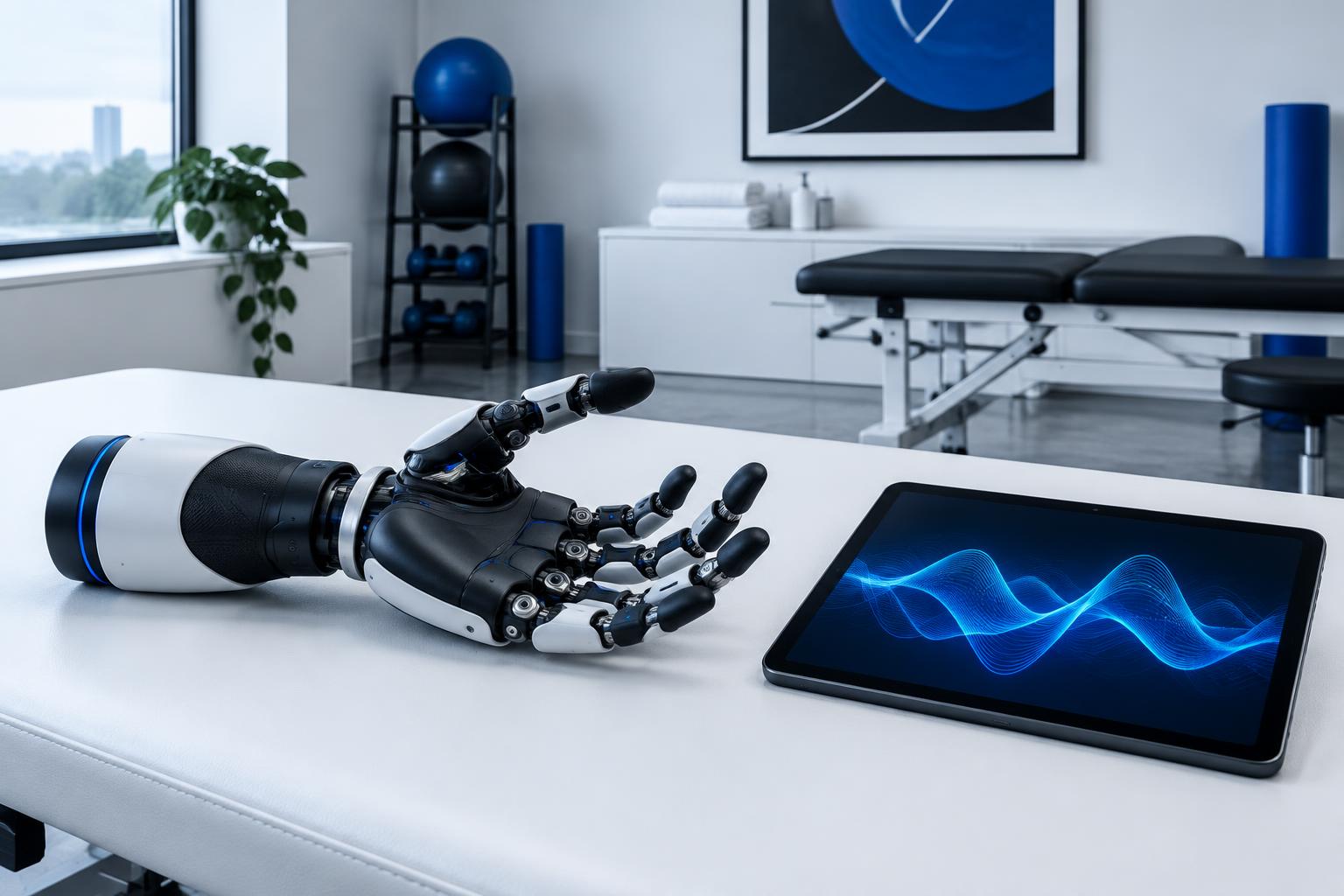
The immediate story is a first-in-human implant for a prosthetics control company. The deeper question is whether the delivery model matters as much as the device. A sensor that can be placed in an outpatient setting by reconstructive surgeons would reach patients through a very different channel than one requiring neurosurgical theatres and intensive care.
That possibility should not be read as established. Two participants and company-reported function are a starting point. The study still has to show that the implants remain safe, that signals stay stable as tissue changes over months, and that control is accurate enough to be useful in daily life rather than only in a supervised session.