Chronic hepatitis B care has long centered on controlling viral replication. For many patients, effective antiviral treatment still means an ongoing treatment relationship: medication, laboratory monitoring and specialist follow-up. A therapy designed to support control after a fixed course addresses a different clinical ambition.
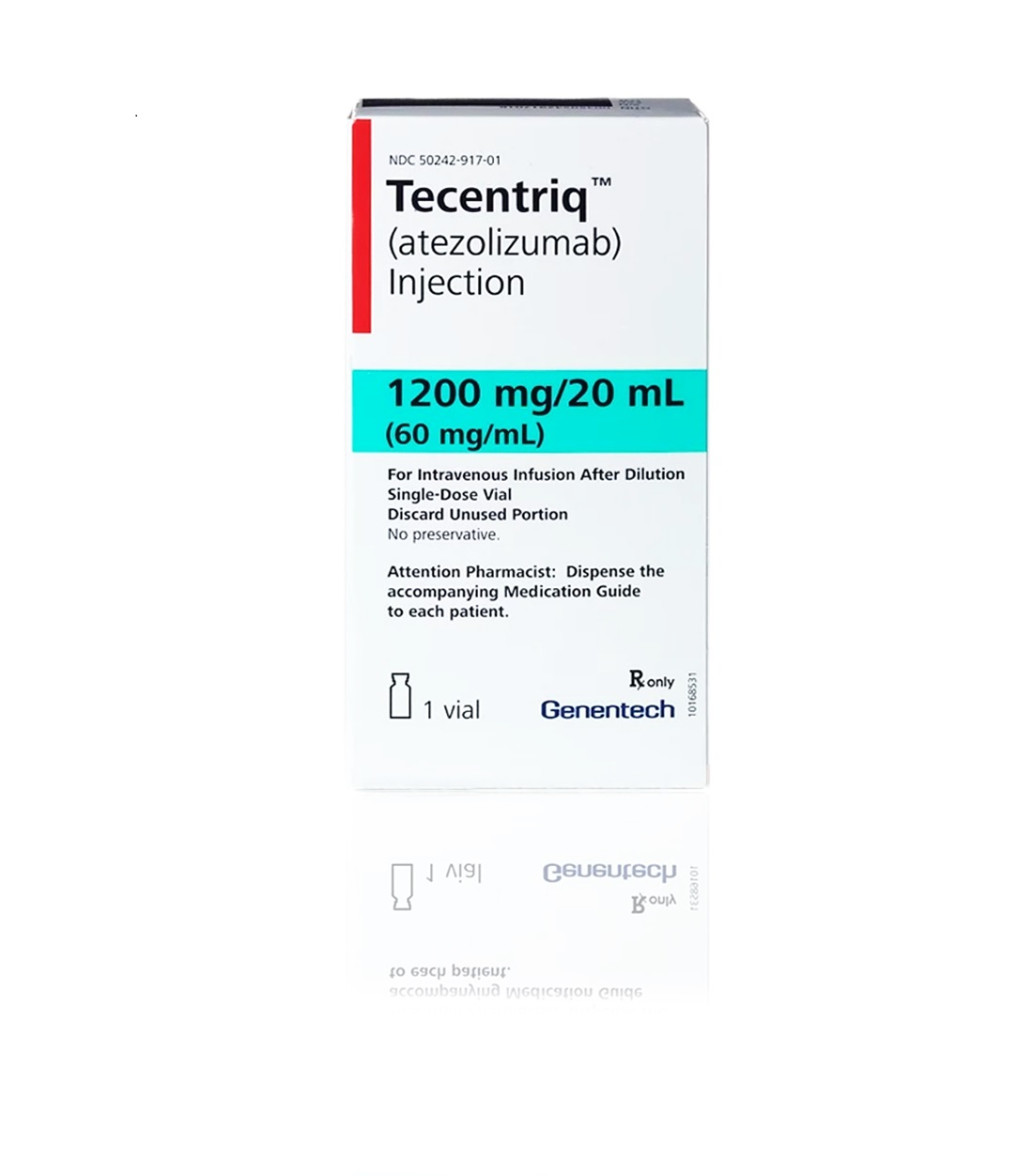
The FDA's October 20 approval of Hibsago, or bepirovirsen, gives that ambition a defined place in US care. It is an antisense oligonucleotide used with existing antiviral therapy in selected adults. The central distinction is between a finite course of the new drug and the supervised pathway through which some patients may later stop all HBV treatment.
In This Deep Dive
- What functional cure means in this evidence package
- The FDA decision and eligible population
- Trial design, response rates and follow-up
- RNA targeting and companion testing
- The HealthTech Investor's Signal
- Four observable developments to watch
Why this matters now
Viral suppression and functional cure are different endpoints. Suppression controls replication while treatment continues. In the B-Well program, functional cure meant sustained loss of hepatitis B surface antigen, or HBsAg, with HBV DNA below quantification after fixed-duration treatment.
A result measured after treatment withdrawal is clinically important because it asks whether control persists without the full medication regimen. It remains a result over a specified observation period. It is not proof that every trace of virus has been eradicated, that response lasts for life or that monitoring is no longer needed.
That distinction matters for patients, clinicians and payers. The supplied briefing described permanent medication cessation and a universal transition away from daily antivirals. The verified approval and trial evidence support a more precise claim: a new combination treatment creates the possibility of an off-treatment response in a selected population.
What actually happened
The FDA approved Hibsago on October 20, 2026 as the first antisense oligonucleotide for chronic hepatitis B. GSK licensed bepirovirsen from Ionis, and the companies collaborated on its development.
The FDA describes use in combination with existing HBV antiviral therapy for certain adults without cirrhosis who have received antivirals for at least six months, have suppressed HBV and have baseline HBsAg at or below 3,000 IU/mL, determined by an FDA-authorized test. These are eligibility boundaries, not a recommendation to change treatment without a specialist.
The agency also authorized the Roche Elecsys HBsAg II quant II RxDx companion diagnostic. Quantitative surface-antigen testing therefore belongs in the treatment pathway, alongside the assessment of liver status and existing antiviral control.

The obvious read versus the deeper signal
The immediate story is a new drug approval. The deeper signal is a shift in what chronic-infection trials can seek to demonstrate: not just suppression on medication, but a defined response after treatment has ended.
That shift makes the evidence architecture important. Eligibility, background treatment, withdrawal criteria and the duration of observation all influence what the result means. The percentage alone cannot carry the story, because the practical care pathway is longer than the course of bepirovirsen itself.