Andelyn Biosciences announced this week that it will scale manufacturing for Genprex's AAV-based gene therapy candidate targeting diabetes, using Andelyn's Curator cell and gene therapy platform to support IND-enabling preclinical studies and eventual cGMP clinical manufacturing. The partnership is a small deal by dollar value, but it is a useful marker of where cell and gene therapy manufacturing capacity is heading next, from a field defined for its first decade by rare monogenic diseases toward candidates aimed at far larger, more prevalent chronic conditions.
Genprex's program is designed to work differently depending on diabetes type, an approach the company says could apply gene therapy mechanisms to both type 1 and type 2 diabetes, conditions that together affect a patient population many orders of magnitude larger than the rare diseases that have historically justified the high per-patient cost of gene therapy manufacturing. If a gene therapy approach for diabetes progresses through clinical development, the manufacturing question becomes existential in a way it has not been for one-time treatments aimed at a few thousand patients worldwide. Producing viral vector based therapies at a scale sufficient for a chronic disease affecting hundreds of millions of people globally requires a fundamentally different cost and throughput profile than today's rare disease gene therapy manufacturing base was built to support.
Why contract manufacturers are the story here
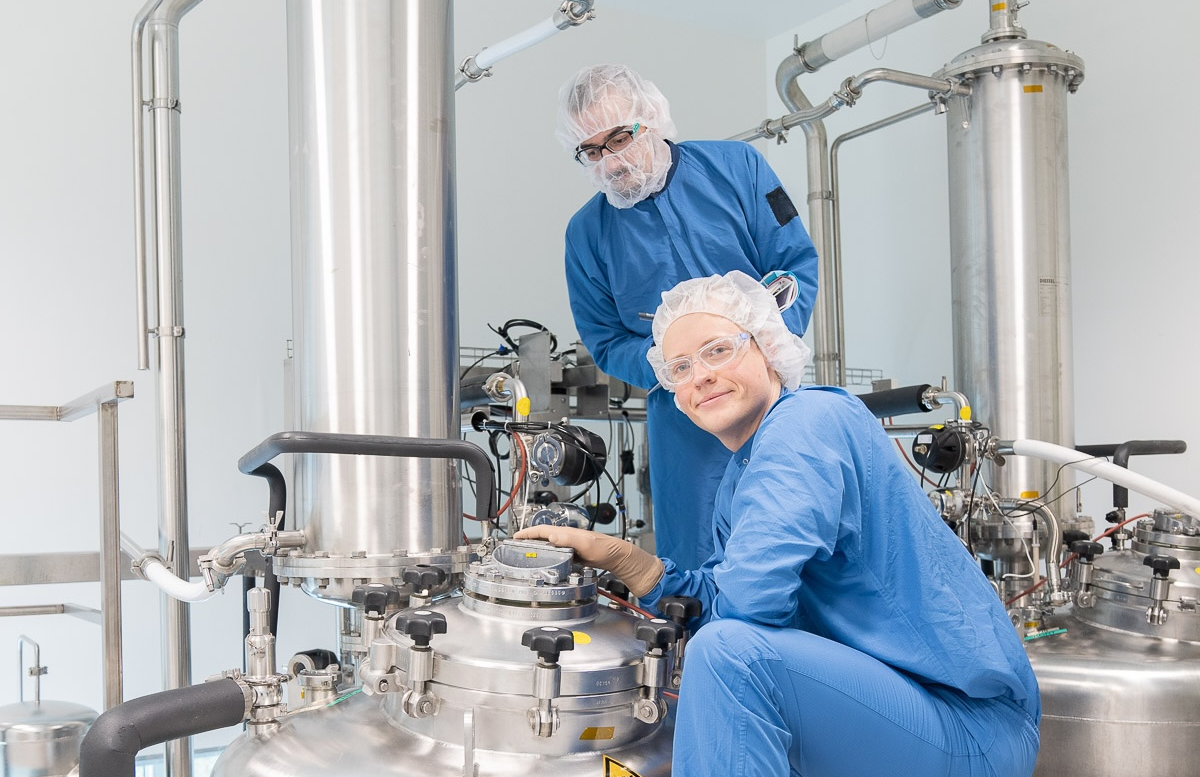
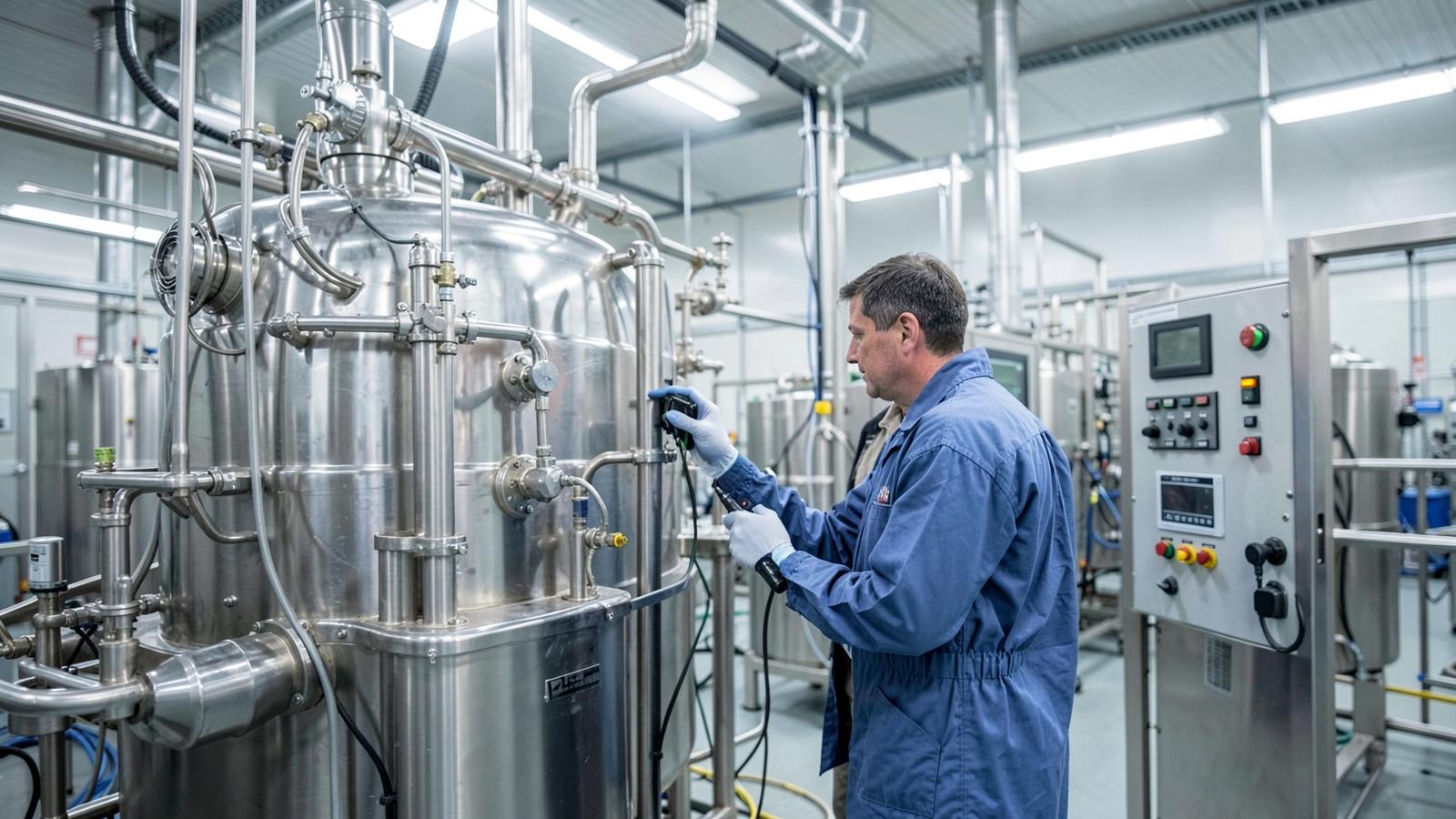
Andelyn Biosciences, a nonprofit-affiliated contract development and manufacturing organization spun out of Nationwide Children's Hospital, has built its business specifically around AAV vector production for cell and gene therapy developers who do not want to build their own manufacturing facilities. This kind of partnership model, where a specialized CDMO absorbs the capital cost and manufacturing expertise so that a clinical-stage biotech like Genprex can focus on trial execution, has become the default path for most gene therapy programs outside of the largest, best-capitalized companies. The same week, Northway Biotech opened a 61 million euro cell therapy and personalized medicine facility in Vilnius, its first in the Baltics, with up to 20 independent cGMP manufacturing lines and customer programs already secured. Together these announcements describe a manufacturing base that is expanding capacity geographically and functionally at a pace that has been building steadily since regulators began signaling more flexibility on chemistry, manufacturing and control requirements for cell and gene therapies earlier this year.
That regulatory flexibility, formalized by the FDA in guidance issued in January, has mattered more to manufacturing economics than most clinical headlines this year. Loosening some of the more rigid chemistry, manufacturing and control expectations for early-phase cell and gene therapy programs reduces the cost and time burden on smaller biotechs and their CDMO partners during the riskiest, most failure-prone stage of development, before a program has generated the clinical data needed to justify heavier manufacturing investment. For companies like Genprex, working with an established CDMO under a more flexible regulatory framework lowers the capital needed to reach an IND filing, which is often the highest-risk funding gap smaller biotechs face.
What operators should watch
The manufacturing capacity question is not abstract for health system and payer audiences either. Gene therapies that have already reached the US market for rare diseases have carried list prices in the low to high single digit millions of dollars per patient, a pricing structure that rare disease patient volumes have made survivable, if controversial, for payers. A gene therapy manufacturing base built for chronic disease at scale will need a materially different cost structure, driven by manufacturing throughput, vector yield improvements and automation, if it is to reach patients numbering in the millions rather than the thousands. Investors and payers watching this space should track vector yield and cost per dose figures disclosed by CDMOs and developers as a better leading indicator of chronic disease gene therapy feasibility than clinical efficacy data alone, since even a highly effective therapy will not reach a large population without a manufacturing base that can support it affordably.
For hospital systems and specialty pharmacy operators, the practical takeaway is to begin building institutional expertise in gene therapy logistics, patient identification and reimbursement now, even for chronic disease programs still in early clinical stages. The lead time needed to build informed consent processes, specialty infusion capacity and payer contracting frameworks for advanced therapies has repeatedly proven longer than companies and health systems initially expect, and diabetes-scale gene therapy candidates, if they succeed clinically, would arrive to a patient population and referral network far broader than the specialized centers that have handled rare disease gene therapies to date.
Key Signals
Andelyn Biosciences will manufacture Genprex's AAV-based gene therapy candidate for diabetes, illustrating how cell and gene therapy manufacturing capacity is beginning to orient toward chronic diseases with far larger patient populations than the rare diseases that built the field. A parallel expansion by Northway Biotech in Lithuania shows CDMO capacity growing geographically as well as functionally to meet rising demand. FDA guidance issued earlier this year giving more flexibility on chemistry, manufacturing and control requirements has lowered early-stage capital burdens for smaller gene therapy developers working with CDMO partners. Vector yield and manufacturing cost per dose, more than early clinical efficacy signals, will determine whether chronic disease gene therapy programs can reach the scale their target populations require.