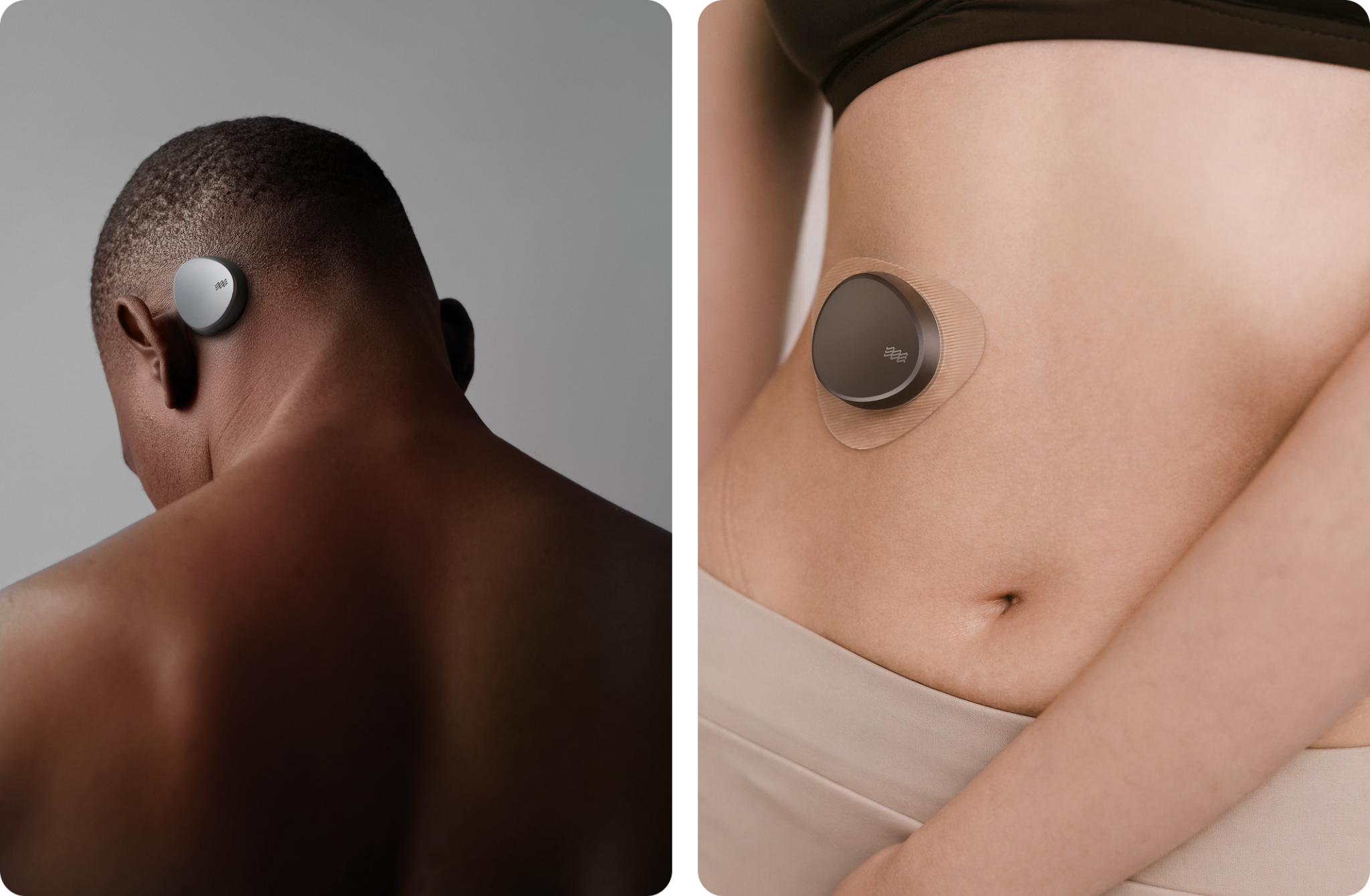
Cancer treatment decisions often depend on observations separated by time. Scans, pathology and clinical assessments provide essential information, but they do not continuously describe what a tumor is doing. Coherence Neuro is exploring whether electrical activity could eventually add a new layer of observation and, in time, support a more adaptive form of therapy.
That is a significant research ambition. It is also different from demonstrating that an implant can already detect recurrence or extend survival. The company's early human work concerns an investigational interface, while its cancer-monitoring and closed-loop treatment vision remains a development program. Keeping those stages separate makes the opportunity more intelligible, not less interesting.
In This Deep Dive
- The $45 million financing and the scientific thesis
- What the initial CIPHER study can establish
- The distinction between sensing and therapeutic control
- A clinical evidence ladder and operating model
- The HealthTech Investor's Signal and developments to watch
What actually happened
Coherence's October 21, 2026 financing announcement describes $45 million in backing from Founders Fund and the OpenAI Startup Fund, with investors including Lux Capital, 8VC, Ahren and Timeless. The OpenAI Startup Fund is the named investor; that should not be read as a clinical endorsement, a product integration agreement or a commitment by OpenAI to operate the device.
Co-founders Ben Woodington and Elise Jenkins serve as CEO and CTO, respectively. The company connects its approach with research in bioelectronics and tumor-neural interactions, and identifies offices in San Francisco and Cambridge, UK. Its announcement sets out a future in which recordings contribute to models that inform treatment decisions more continuously.
The funding supports that development pathway. It does not establish FDA approval, a reimbursed implant procedure or a finished commercial platform. The company says it is pursuing a first chronic human trial in glioblastoma and seeking Breakthrough Device designation. A stated intention to seek designation is not a granted designation.
The scientific opportunity: Observe before attempting to control
Coherence reports preclinical work using recordings near growing brain tumors and models of tumor growth trajectories in mice. That creates a research question: can electrical observations carry information that is clinically useful alongside existing measures? Translation requires evidence that the signal remains meaningful across patients, tumor biology and treatment contexts.
The next question is therapeutic. Recording activity and delivering stimulation through an interface are engineering capabilities. Showing that a particular stimulation strategy improves a cancer endpoint is a separate clinical task. Existing electric-field treatments provide context for the wider field, but their authorizations and outcomes cannot be transferred to Coherence's investigational system.
What the first human study means
The company's clinical-study announcement describes three patients and short-duration intraoperative use of the CIPHER System at the Royal Melbourne Hospital. It identifies safety, basic performance and handling as study aims. This is not evidence that a chronic cavity implant has been established as a cancer therapy.
Patient count is a description of the initial study, not proof of efficacy. The announcement does not establish a survival benefit, a validated recurrence-detection threshold or a universal absence of adverse events. Those questions belong to defined study results and subsequent trials.
The useful interpretation is an early transition from laboratory engineering into human investigation. It creates the conditions to ask better clinical questions without answering all of them at once.