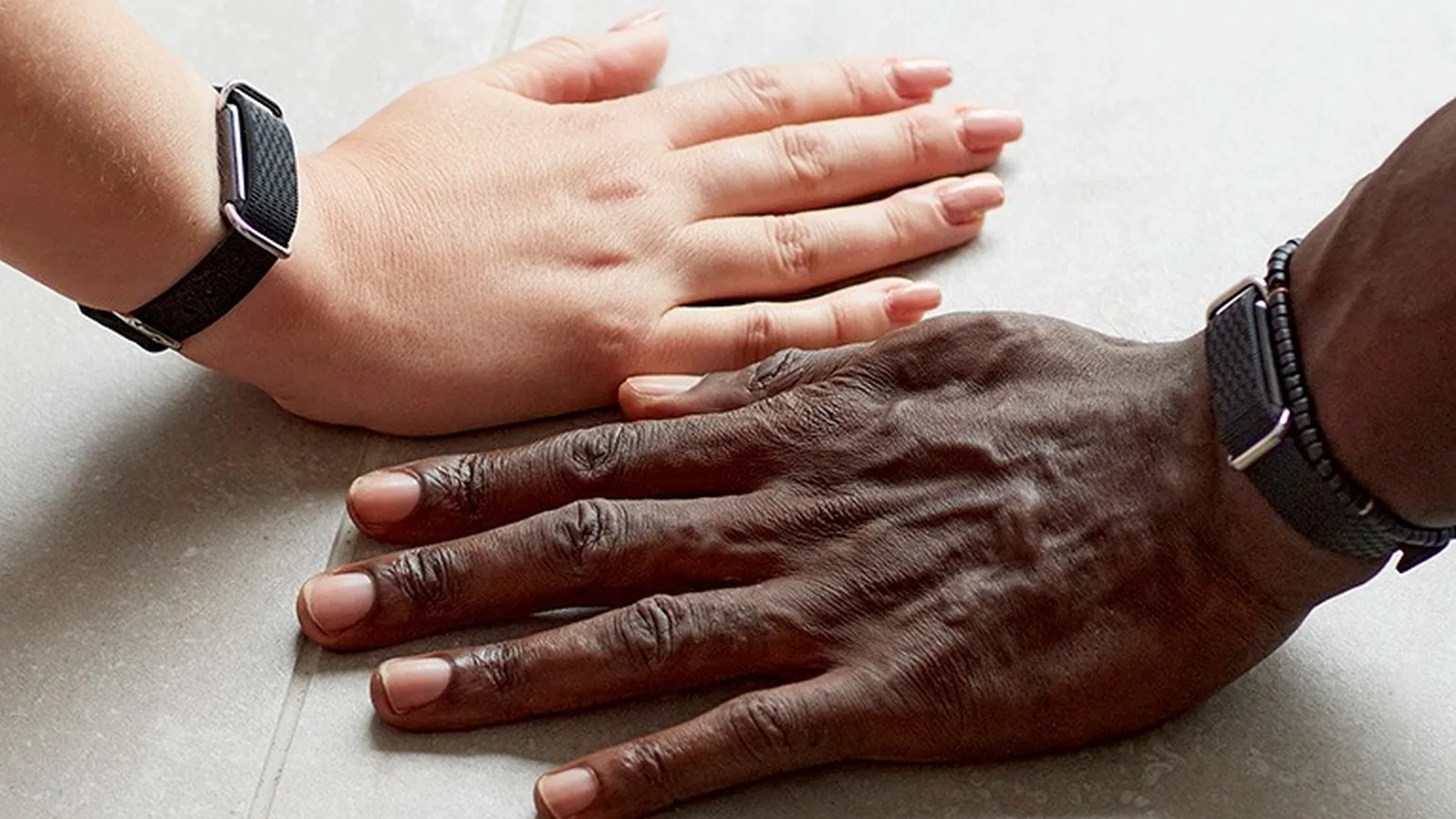
The First OTC Cuffless Blood Pressure Wearable Just Cleared FDA. Can It Replace the Cuff
 Dr. Dereck Mush, MD, MBA
The Daily SignalSeptember 10, 2026
PLUS: How AI ultrasound cut DVT diagnosis to 30 minutes at NHS Chelsea

In partnership with

The 8-hour workday is becoming a 4-hour workday for people who know how to use AI.
Everyone else is still catching up.
This AI work playbook shows you exactly how to cut your work hours in half using AI.
Sign up for Superhuman AI and get:
50+ step-by-step AI tutorials to cut your workload in half, covering every part of your workday, from emails to strategy, used by 1M+ professionals at Google, Microsoft, and NASA
Superhuman AI newsletter (4 min daily) so you keep discovering new AI tools and skills to stay ahead in your career, the playbook is just the start
In today's Signal:
The FDA appoints medtech founder Jared Seehafer as its first Deputy Commissioner for Technology and AI to unite cross-center software regulation.
Chelsea and Westminster Hospital deploys AI point-of-care ultrasound to diagnose deep vein thrombosis in under 30 minutes, safely discharging 80% of emergency patients.
Rightway Healthcare secures $155M in new funding to scale its transparent pharmacy benefits navigation platform for employers.
Follow the money: $275M for Encoded Therapeutics in Dravet syndrome, $225M for Solstice Oncology, and $62.5M for TwoStep Therapeutics.
The Clinician's Signal: bedside clot rule-outs, central AI governance, and eliminating prior auth prescription dead-ends

Source: Enzyme/U.S. Department of Health and Human Services (HHS)
The signal: The U.S. Department of Health and Human Services named medtech entrepreneur Jared Seehafer as the FDA's first Deputy Commissioner for Technology and Artificial Intelligence.
The details:
Seehafer, co-founder and former CEO of digital regulatory platform Enzyme, joined the FDA as a senior advisor in 2025 and helped author the agency's recent generative AI discussion paper.
In this newly created role, Seehafer will lead FDA-wide strategy across software, AI, and digital health, coordinating policy across CDER (drugs), CBER (biologics), CDRH (medical devices), and CTP (tobacco).
The permanent appointment comes as the FDA evaluates over 1,500 authorized AI medical devices and tests real-world premarket models through its TEMPO generative AI pilot.
Why it matters: Medical AI regulation spent a decade fragmented across device review panels while generative models outpaced statutory definitions. By establishing a dedicated C-level AI post held by a software founder, the FDA is signaling that algorithmic oversight is now central infrastructure, not a side committee.

Source: CW+ Innovation/Chelsea and Westminster Hospital NHS Foundation Trust
The signal: Chelsea and Westminster Hospital NHS Foundation Trust successfully completed a clinical pilot using ThinkSono Guidance AI ultrasound, reducing deep vein thrombosis (DVT) evaluation times from 19 hours to under 30 minutes.
The details:
Clinicians evaluated 120 emergency patients, safely ruling out DVT in 97 cases and discharging 80% on their initial visit without waiting for departmental sonography.
The system pairs a handheld ultrasound wand with real-time AI guidance that directs nurses and junior doctors through vascular compression, backed by remote sonographer verification.
Patients receiving scan reports within the NICE-recommended 4-hour target surged from 18% to 51%, easing acute care congestion amid severe national sonographer shortages.
Why it matters: Suspected DVT has historically tied up hospital beds and triggered unnecessary anticoagulation while patients waited overnight for specialist imaging. Decentralizing the initial scan into the hands of frontline nurses with AI guidance preserves sonographer capacity for complex pathology while delivering instant answers at the bedside.

Source: Rightway Healthcare/Press Release Asset
The signal: Rightway Healthcare, led by CEO Jordan Feldman, secured $155 million in new equity financing according to SEC filings, bringing its total capital raised to $394.3 million.
The details:
The platform combines clinical care navigation with a transparent, pass-through pharmacy benefit manager (PBM) designed to replace traditional spread-pricing models.
Rightway has signed enterprise employer clients including Tyson Foods, TikTok, and Zoom, allowing employees to access clinician-guided medication selection and lower out-of-pocket costs.
The funding arrives as self-funded employers face mounting legal and fiduciary scrutiny under the Consolidated Appropriations Act over hidden drug rebates and PBM markups.
Why it matters: Employers are no longer willing to treat pharmacy benefits as an opaque black box managed by legacy health plans. Capital is backing alternative PBM infrastructure that pairs transparent drug pricing with active clinical navigation to stop patients from abandoning specialty prescriptions.
Dr. Dereck Mush, MD, MBA Dr. Dereck Mush, MD, MBA
 Dr. Dereck Mush, MD, MBA
 Dr. Dereck Mush, MD, MBA
Keep exploring