

A school nurse checking a kindergarten enrollment list against a state immunization registry has historically had to accept that the two records might simply disagree, and that fixing the disagreement means a phone call rather than a data query. That kind of manual reconciliation has been a quiet drag on public health operations for years, and it is one of the clearest examples of how fragmented data systems create real work for people who would rather be doing something else.
Immunization information systems, the state and local registries that track vaccination records across providers, pharmacies, and schools, were built independently by each state over roughly two decades, often on different software platforms with different data models. A child vaccinated in one state and enrolled in school in another has long been a case where records simply do not transfer cleanly, forcing families to track down paper records or providers to re-enter data by hand. Multiply that friction across millions of families who move states, change providers, or receive vaccines at a retail pharmacy rather than a pediatrician's office, and the cumulative administrative cost is substantial.
A Slow Convergence on Shared Standards
What has changed over the past two years is a more concerted push toward common data exchange standards across these registries, building on interoperability work that federal health IT agencies have been developing for the health system more broadly. The goal is not to merge every state registry into one national system, which raises its own governance and privacy questions that states have been unwilling to resolve, but to make the registries speak a common enough language that data can move between them without manual translation.
For public health technology vendors, this has meant real, if unglamorous, engineering work: mapping legacy data fields to standardized formats, building translation layers that let older state systems participate without a full platform replacement, and testing that vaccine administration records move correctly between systems that were never designed to talk to each other. Vendors who specialize in this kind of integration work have found steady demand from state health departments, many of which do not have the in house technical staff to manage the migration themselves.
Why Pharmacies Made This More Urgent
Retail pharmacies becoming a major vaccination site over the past several years added pressure that registries were not originally built to handle. A pharmacy chain administering vaccines across dozens of states needs a way to report each dose to the correct state registry without building a custom integration for every jurisdiction. That volume and diversity of reporting sources pushed state health IT teams toward standardization faster than school enrollment reconciliation alone would have, simply because the operational pain of maintaining dozens of one-off pharmacy integrations became too costly to sustain.

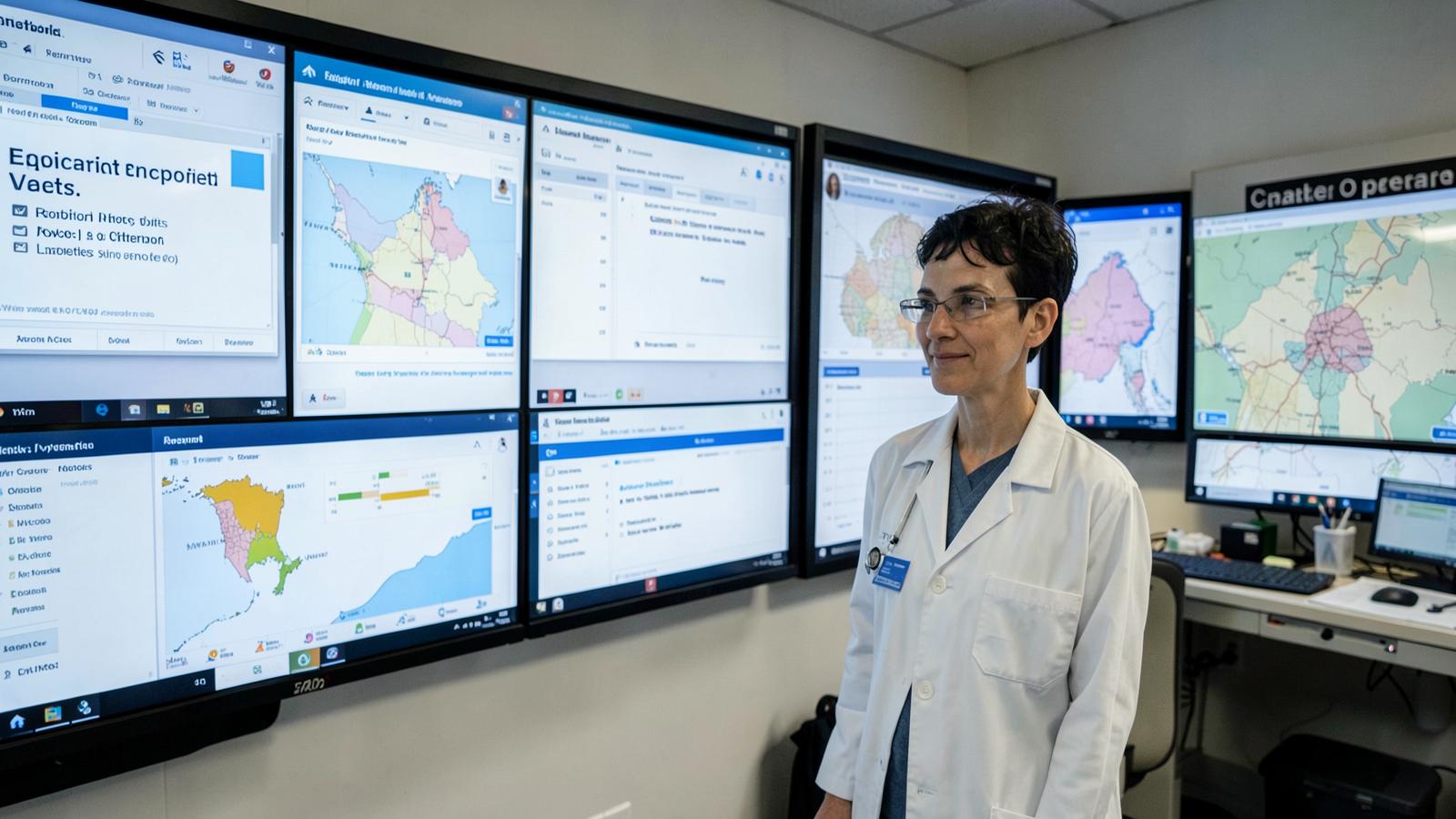
The practical effect for families is a registry system that increasingly works the way people assume it already does: a child's vaccination history following them as they move, with a provider in a new state able to pull an accurate record rather than starting from scratch or relying on a parent's memory. That is not yet true everywhere, and gaps remain especially for families who move between a state with a modernized registry and one still running an older system, but the direction of travel is consistent across most states now investing in this work.
The Limits of Standardization Without Trust
Technical standardization solves part of the problem, but registries also depend on provider participation, and not every clinic reports promptly or completely. Immunization registries have always had a data completeness challenge that predates any interoperability question, tied to provider workflow burden and, in some cases, hesitancy about how registry data might be used. Health departments pursuing better data exchange standards will still need to address these underlying reporting incentives, since a perfectly interoperable system built on incomplete underlying data does not solve the problem families and school nurses actually experience.
Key Signals
State immunization registries are converging on shared data exchange standards after two decades of independent development, reducing the manual reconciliation burden that has long fallen on school nurses, clinics, and families who move between states. Retail pharmacies administering vaccines across many states created enough operational pressure to accelerate this standardization work beyond what school enrollment needs alone would have produced. Vendors specializing in legacy data translation and interoperability layers are seeing sustained demand from state health departments that lack in house capacity for this migration. The remaining constraint is not technical but behavioral, since interoperable systems only solve the underlying problem if providers report vaccination data promptly and completely in the first place.