A colorectal cancer screening reminder that arrives as a single mailed postcard, in English only, addressed to a household that moved two years ago, illustrates most of what has historically gone wrong with population level screening outreach. The clinical case for screening is well established. The gap has usually not been persuading people that screening matters, it has been reaching them at all, in a format they can act on, at a moment when acting is actually feasible for them.
Screening programs across cancer, diabetes, and cardiovascular risk have spent the past several years rebuilding their outreach systems around that basic recognition. The most consistent finding across programs that have measured their own redesign efforts is that combining multiple contact channels, mail, text message, phone call, and portal message, produces meaningfully higher response than any single channel alone, because different people reliably respond to different channels and a program relying on just one will systematically miss a predictable share of its target population.
Plain Language and Cultural Relevance Matter as Much as Channel
Beyond simply reaching people, the content of the reminder itself has proven to matter substantially. Programs that rewrote clinical reminder language into plain, direct language, explaining specifically what the screening involves, how long it takes, and what to expect, saw better response than programs using more clinical or vague phrasing, even when sent through the same channels. Language access has been a similarly consistent finding, with programs serving populations that speak a language other than English at home seeing significantly better response when outreach is translated well and culturally adapted, rather than sent only in English with a translation available on request that most recipients never think to ask for.
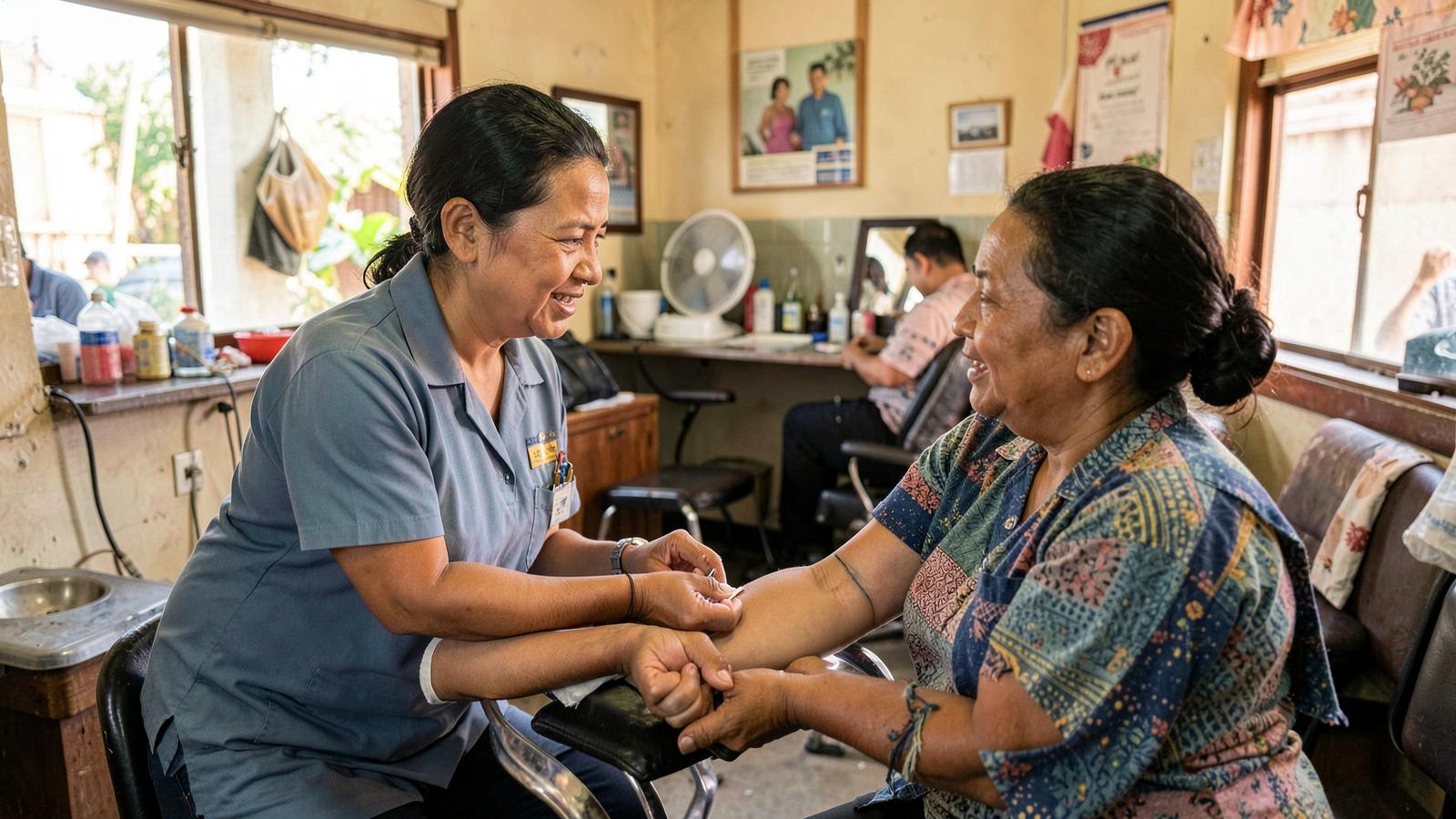
Community health workers and patient navigators remain a critical part of this system for populations that reminder technology alone does not reach effectively, including people who have had negative past experiences with the healthcare system and are unlikely to respond to any automated outreach regardless of how well designed it is. Programs that pair automated multi channel reminders with a navigator who can follow up personally with people who do not respond to the initial outreach report the best overall uptake, treating the technology as a way to identify who needs personal follow up rather than a complete substitute for it.
Scheduling Friction Is a Separate Problem From Awareness
A parallel finding across these programs is that fixing awareness and reminder design does not automatically fix uptake if scheduling the actual appointment remains difficult. Programs that added same-day online scheduling directly from a reminder message, rather than requiring a phone call during limited office hours to book an appointment, saw additional uptake gains beyond what improved messaging alone produced. That finding suggests awareness and access friction are separate barriers that both need to be addressed, and a program that solves one without the other leaves meaningful uptake gains on the table.
Measuring What Actually Moves the Needle
The programs making the most credible progress on this front share a common practice: they treat outreach redesign as something to test and measure rather than assume works, tracking response rates by channel, language, and message format, and adjusting based on what their own population actually responds to rather than applying a generic best practice template. This matters because population differences are real. A messaging approach that works well in one community's cultural and linguistic context does not automatically transfer to another, and programs that skip local testing in favor of a one size fits all approach tend to see weaker results than programs willing to invest in that measurement step.
Key Signals
Screening program uptake gains are coming disproportionately from combining multiple outreach channels rather than optimizing any single channel, since different populations reliably respond to different contact methods. Plain language, culturally adapted, and translated messaging measurably outperforms generic or English only outreach, particularly among populations that speak another language at home. Community health workers and patient navigators remain essential for reaching people who do not respond to automated outreach, and the most effective programs use automated systems to identify who needs that personal follow up rather than treating technology as a full substitute. Programs that also removed scheduling friction, particularly by adding same day online booking directly from a reminder, saw additional uptake gains beyond messaging improvements alone, confirming that awareness and access are distinct barriers that both require deliberate attention.