A pediatrician at a regional clinic reviews the chart of an eight-year-old boy. Over five years, the patient has visited four different specialists for what appeared to be disconnected issues: mild muscle weakness, recurrent sinus infections, a slight developmental delay, and an unusual cardiac murmur. Each specialist documented their findings in separate progress notes, filed under different tabs within the electronic health record. Because no single clinician had the chronological view or the specialized training to connect these disparate clinical threads, the patient remained undiagnosed, undergoing unnecessary diagnostic tests while his underlying rare genetic condition progressed.
This scenario is the standard reality for the millions of people worldwide who live with a rare disease. The average time to a correct diagnosis is five to seven years, a period often called the diagnostic odyssey. During this time, patients undergo repeated rounds of ineffective treatments, unnecessary hospitalizations, and coordinate care across an average of eight different specialists.
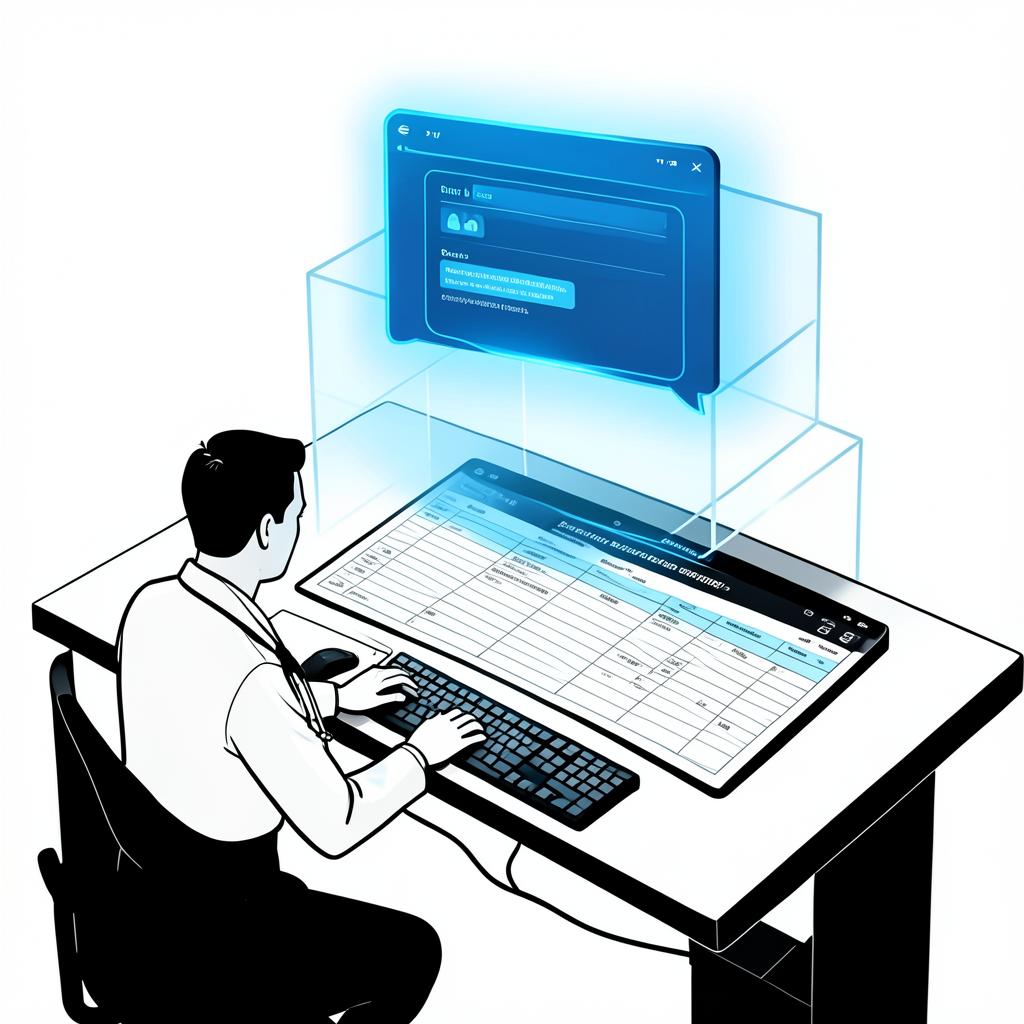
Electronic health record systems were designed primarily for billing, compliance, and point-of-care documentation, not for pattern recognition across multi-year, multi-specialty clinical narratives. However, a new generation of artificial intelligence tools is changing this paradigm. By operating silently in the background of clinical networks, these machine learning algorithms analyze both structured data and unstructured text to alert clinicians when a patient's clinical profile matches the signature of a rare disease.
The Technical Challenge of Rare Disease Detection in EHRs
Building algorithms to detect rare diseases presents a unique set of technical hurdles. Unlike common chronic conditions like type 2 diabetes or hypertension, which have highly standardized diagnostic codes and structured lab values, rare diseases are characterized by extreme data sparsity. By definition, a rare disease affects a very small percentage of the population, meaning clinical training sets are deeply imbalanced. If an algorithm is trained on a dataset where only one in fifty thousand patients has the target condition, standard machine learning models will struggle to achieve high predictive accuracy without generating an overwhelming number of false positives.
Furthermore, the clinical presentation of a rare disease is often documented in unstructured clinical narratives, such as progress notes, discharge summaries, and referral letters. Important physical clues, family history details, and minor developmental milestones are rarely captured in clean, structured ICD-10 codes. To extract this information, developers use natural language processing, which is a branch of artificial intelligence that enables computers to understand, interpret, and manipulate human language written in clinical notes.
Once the text is processed, the next challenge is standardization. Clinicians use varied terminology to describe the same clinical feature. For instance, one physician might write "drooping eyelid" while another writes "ptosis." To resolve these semantic differences, modern rare disease tools map clinical terms to the Human Phenotype Ontology, a standardized vocabulary of phenotypic abnormalities. We define phenotype matching as the computational process of comparing a patient's observed clinical characteristics against a structured reference database of known disease profiles. By translating unstructured notes into a standardized list of clinical features, algorithms can calculate a similarity score between the patient's record and thousands of documented genetic syndromes.
The Architecture of Active and Passive Screening Tools
To understand how these tools function in a clinical environment, it is helpful to divide them into two primary categories: passive registry screening and active point-of-care alerting.
Passive registry screening tools run asynchronously, typically overnight or on a weekly schedule, scanning the entire patient population of a health system. These tools search for complex clinical patterns without interrupting the clinical workflow. When the algorithm identifies a high-probability candidate, the patient is placed on a centralized registry for review by a multidisciplinary clinical team, often consisting of geneticists, specialists, and primary care physicians. This approach is highly favored by health systems because it avoids clinical interruption and allows for a deliberate, expert review of the patient's history before any action is taken.
Active point-of-care alerting tools, by contrast, operate in real time. As a clinician documents a visit or orders a test, the algorithm evaluates the patient's updated record and triggers an immediate alert within the EHR interface if the diagnostic probability crosses a specific threshold. While this method can accelerate the diagnostic process, it risks contributing to clinical cognitive overload.
To mitigate this, developers are building sophisticated filtering layers. For example, an alert might only trigger if the patient is currently scheduled for an annual physical, or it may be routed directly to a clinical pharmacist or a specialized nurse coordinator rather than the primary physician. This ensures that the clinical team is not bombarded with low-specificity notifications during acute care visits.
Integrating into the Modern EHR Infrastructure
The success of any clinical AI tool depends on how seamlessly it integrates into the existing EHR infrastructure. Historically, deploying a custom machine learning model required bespoke integration efforts for each hospital site, a process that was both expensive and difficult to scale. Today, the industry has standardized around the Fast Healthcare Interoperability Resources standard, which provides a unified framework for exchanging electronic health data.
Using standard application programming interfaces, rare disease screening tools can extract data from major EHR vendors, process the information in a secure cloud environment, and return clinical insights directly to the provider. This standard allows developers to build a single core engine that can be deployed across different health systems with minimal custom engineering.
Furthermore, the rise of ambient clinical intelligence, which uses speech-to-text technology to document patient encounters in real time, provides a rich new data stream for rare disease algorithms. By analyzing the transcript of a physician-patient conversation as it happens, these tools can capture subtle clinical details that a rushed physician might omit from the final written progress note, further improving the sensitivity of the detection pipeline.
Real-World Performance and the Threshold of Utility
In rare disease screening, the primary metric of success is not absolute accuracy, but rather the reduction of the time to diagnosis and the minimization of unnecessary clinical investigations. Because rare diseases are so uncommon, even an algorithm with a ninety-nine percent specificity will generate false positives when applied to a large population.
Therefore, clinical operators evaluate these tools based on their positive predictive value, which is the probability that a patient flagged by the tool actually has the disease. In the context of rare diseases, a positive predictive value of five to ten percent is considered highly successful. While this means that nine out of ten flagged patients may ultimately be cleared of the suspected condition, the clinical benefit of identifying the one correct patient years earlier outweighs the administrative burden of reviewing the other nine charts.
For health systems and payers, the financial incentives are aligned with early detection. Patients on a diagnostic odyssey consume significant healthcare resources through repeated emergency department visits, redundant imaging studies, and ineffective pharmacological interventions. By identifying these patients early, health systems can initiate targeted therapies, enroll patients in clinical trials, and prevent the irreversible disease progression that often occurs during the years spent searching for a diagnosis.
Key Signals
Health systems are increasingly shifting from active point-of-care alerts to passive registry screening to protect clinicians from cognitive fatigue while maintaining high diagnostic vigilance.
The widespread adoption of standardized interoperability frameworks is enabling developers to deploy rare disease screening tools across diverse hospital networks with significantly lower integration costs.
The integration of natural language processing with ambient clinical documentation tools is capturing highly specific clinical details that traditional structured coding systems miss, dramatically improving algorithm sensitivity.