

An IT director at a state health department once described her team's job as running a museum of custom software, each exhibit built for a different reporting requirement at a different moment, none of them talking to each other, and all of them requiring specialized knowledge to keep running. That description captures a real and long standing problem in public health technology: systems built quickly to satisfy a specific grant requirement or a specific disease reporting mandate, layered on top of each other over decades, with no one ever budgeted to go back and unify them.
That pattern is finally starting to shift, driven partly by lessons from the pandemic years, when the cost of fragmented data systems became visible to state legislatures and federal funders in a way it never had before. Case counts that took days to reconcile across county and state systems, hospital capacity data that arrived in incompatible formats from different facilities, and laboratory results that could not be matched to a patient's existing record all became visible failures during a period when speed mattered enormously. The response, still unfolding, has been sustained investment in shared data pipeline infrastructure rather than another round of one-off fixes.
What a Shared Pipeline Actually Replaces
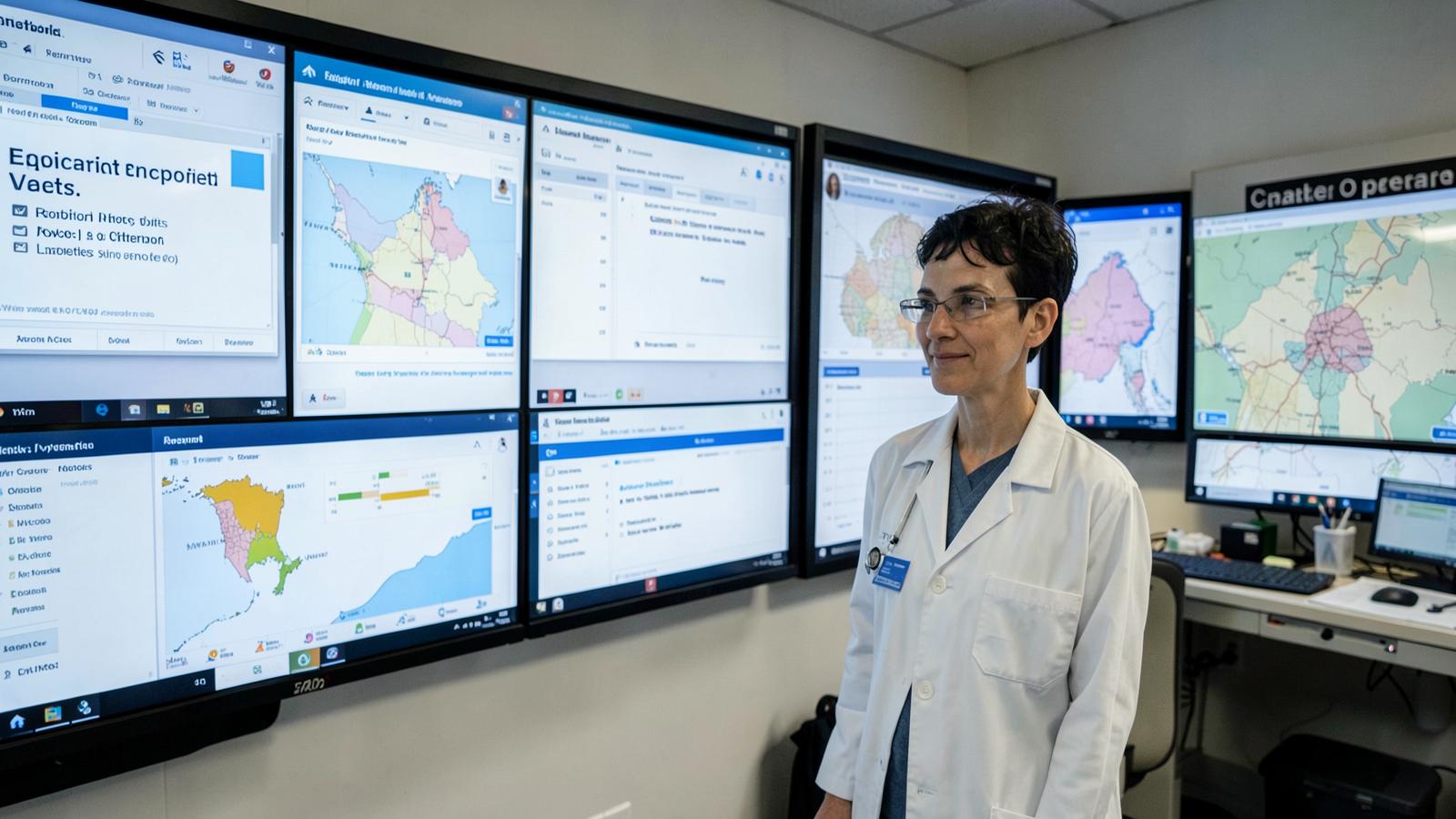
The old model in most state health departments involved building a custom interface for each data source, a hospital system, a laboratory network, a school district, each with its own format, its own update schedule, and its own point of contact for troubleshooting when something broke. A shared pipeline approach instead defines a common intake format that data sources map to once, after which the health department's internal systems can consume data from any connected source through the same process. The engineering effort moves from being repeated for every new data source to being done once for the ingestion standard, then reused.
This is not a novel idea in software architecture generally, but public health IT has historically lacked the sustained funding and staffing to invest in this kind of foundational work, since grant cycles tend to fund specific projects rather than general infrastructure. States that have made real progress on this front, generally those able to combine federal modernization grants with a multi year staffing commitment, describe the payoff as compounding: each new data source connected after the initial pipeline investment costs a fraction of what it did under the old custom interface model.
The Workforce Side of the Equation

Software architecture is only part of the story. Public health IT teams have struggled for years to compete with private sector salaries for the kind of data engineering talent this work requires, and turnover has repeatedly stalled modernization projects partway through, leaving states with half migrated systems that are, in some ways, harder to maintain than the fully legacy version. States that have sustained momentum on data pipeline modernization tend to be ones that found a way to either raise public sector technical salaries meaningfully or build durable relationships with outside contractors who can provide continuity across staff turnover.
That workforce constraint is arguably the more binding one going into 2026. The architectural approach to shared pipelines is now reasonably well understood and documented across states that have gone through the process, but replicating that success requires the staffing capacity to execute it, which remains scarce and unevenly distributed. Larger states with bigger health department budgets have generally moved faster, while smaller and rural states are more dependent on federal technical assistance programs and shared multi state contracting arrangements to make similar progress.
What Comes Next
The next phase of this work, according to people involved in state level modernization efforts, is less about building the pipelines and more about governance: deciding who has access to which data, how long it is retained, and how sharing across state lines is authorized, especially as more states connect their systems to federal data exchange frameworks. Technical capability is outpacing the legal and policy agreements needed to fully use it in some cases, which means the next constraint on progress is likely to be negotiation and trust building between agencies rather than engineering.
Key Signals
State health departments are shifting away from custom, one-off data interfaces toward shared pipeline architectures that let new data sources connect through a common standard rather than requiring a bespoke integration each time. This shift was accelerated by pandemic era failures in case count reconciliation and hospital data exchange that made the cost of fragmentation visible to funders and legislatures. The binding constraint going into 2026 is workforce capacity rather than architecture, since public health IT teams continue to struggle to retain the data engineering talent needed to execute and sustain these migrations. The next phase of this work will increasingly hinge on governance and data sharing agreements between agencies, not on further technical development, as capability begins to outpace the policy frameworks needed to use it fully.