
Somewhere in an NYU Langone clinic this morning, a clinician will ask a clinical question without leaving the chart, and the answer will arrive already aware of the patient in front of them. Until this week, that same clinician would have reached for a phone. The difference sounds cosmetic. It is not. It moves clinical AI search from a personal habit into institutional infrastructure, with everything that implies for governance, liability and proof.
What follows maps the world around that shift: what was actually announced, who competes for the same chart surface, how US and European rules diverge for patient-aware clinical AI, where the economics sit, and what has to be true for this to become the default in academic medicine.
Clinical AI search is moving from clinician adoption toward institutionally measured use, with governance and outcome evaluation as complementary priorities.
Why this matters now
For most of its short life, OpenEvidence grew the way consumer apps grow: one clinician at a time, on a phone, often outside any formal hospital procurement. That bottom-up path is now well documented. A JAMA study published on October 15, 2026 by Mondira Ray, Jesse Burk-Rafel, Travis I. Zack, Anupam B. Jena and colleagues counted 271 million queries from 952,008 US clinicians between January 2024 and June 2026, with use concentrated among nurse practitioners, physician assistants, early-career physicians and residents, and most questions focused on treatment and management. That study measured adoption. It did not measure whether answers were right or whether patients did better.
The NYU Langone announcement on October 29 changes the shape of that growth. OpenEvidence is no longer a tab a resident opens between patients. It is embedded inside the health system's Epic EHR, with what the partners call Patient Aware Clinical Intelligence, across hospitals, the ambulatory network, the Family Health Centers and two medical schools. The deployment touches a system with 12.4 million outpatient visits, more than 421,000 emergency department visits, seven inpatient locations and more than 400 outpatient locations a year.
Patient-aware integration brings clinical evidence retrieval into institutional workflows. Clinical informatics, medical leadership and data governance teams can evaluate how the tool supports clinicians and how use is documented within the chart. The opportunity is to align an existing clinician habit with health-system implementation and measurement.
Certainty: (A) deployment scope and volumes as stated by NYU Langone and OpenEvidence; (A) JAMA study counts as published; (B) our read on buyer and liability shift.
What actually happened
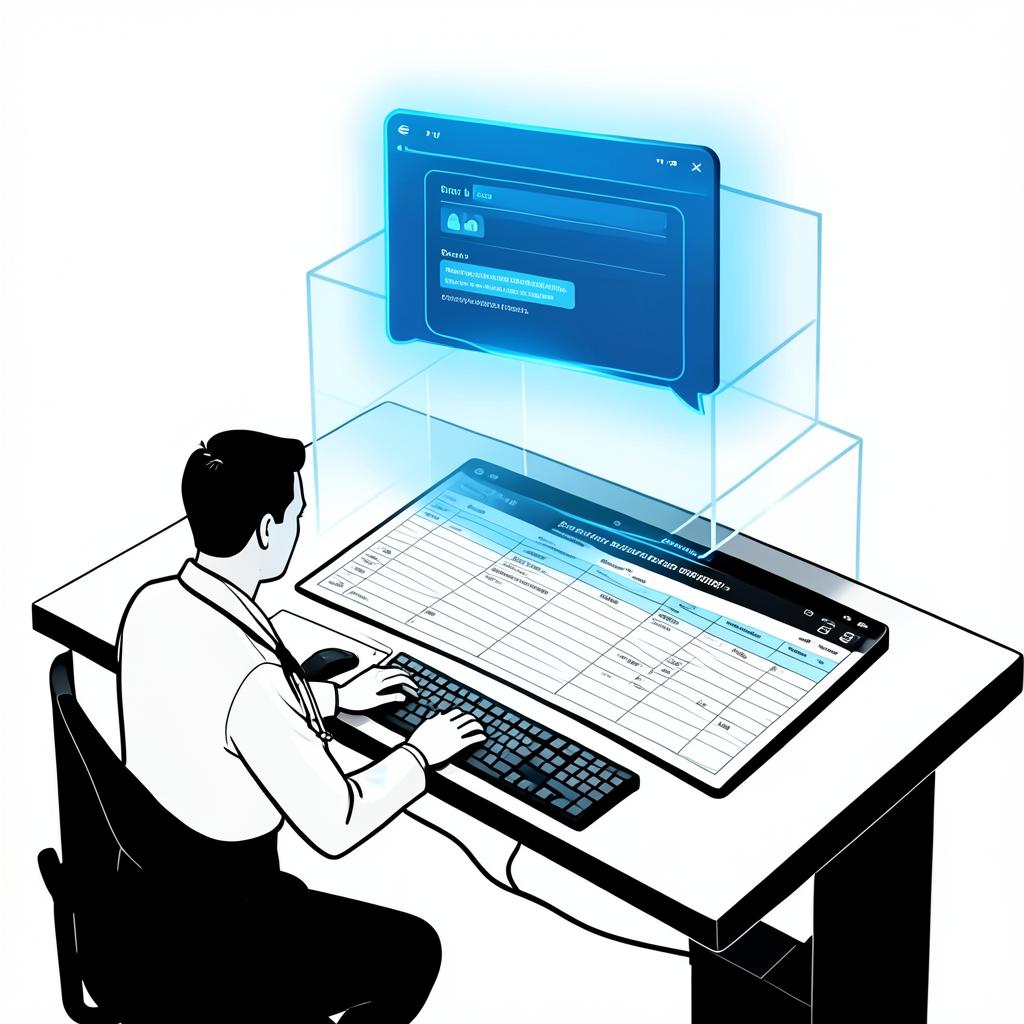
OpenEvidence and NYU Langone Health announced a systemwide collaboration that integrates OpenEvidence directly into NYU Langone's Epic workflow. Clinicians can ask natural-language clinical questions and receive answers grounded in the medical literature, with the patient's chart context informing the response, without switching applications. The partners describe the capability as Patient Aware Clinical Intelligence.
The scope is broad by design. It covers NYU Langone's inpatient hospitals and outpatient network across the New York region and Florida, Family Health Centers at NYU Langone (one of the largest federally qualified health center networks in the country, serving more than 100,000 patients and about 600,000 visits a year), and trainees at NYU Grossman School of Medicine and NYU Grossman Long Island School of Medicine. The workforce in scope includes more than 6,000 physicians and faculty, more than 2,000 residents and fellows, and a total of more than 54,000 employees, per the announcement.
Two leaders framed the deal. Nader Mherabi, executive vice president, vice dean and chief digital and information officer at NYU Langone, said the system is committed to working with OpenEvidence "to make the latest technology available to our clinicians in a safe and practical environment at scale." Daniel Nadler, founder and CEO of OpenEvidence, said that "New York has always been where American medicine goes to prove itself at scale."
Fierce Healthcare, in its October 29 report by Heather Landi, placed the deal in the context of OpenEvidence's existing New York presence, including NewYork-Presbyterian and Mount Sinai, and reported the company's own figures of roughly 1.2 million license-verified US clinicians and 45 million consultations in October. Those are company-reported numbers and we treat them as such. OpenEvidence remains free for verified US clinicians; commercial terms of the NYU Langone deal were not disclosed.
Certainty: (A) scope, names and quotes from the joint announcement; (A) Fierce Healthcare reporting; (C) company usage counts, not independently audited; pricing not disclosed.
The obvious read versus the deeper signal
Obvious read: a hot clinical AI company signs another prestigious health system.
Deeper signal: evidence retrieval is becoming part of institutional EHR implementation. Integration, training, clinician review and audit logs provide a foundation for reproducible evaluation of how patient-aware answers support care.