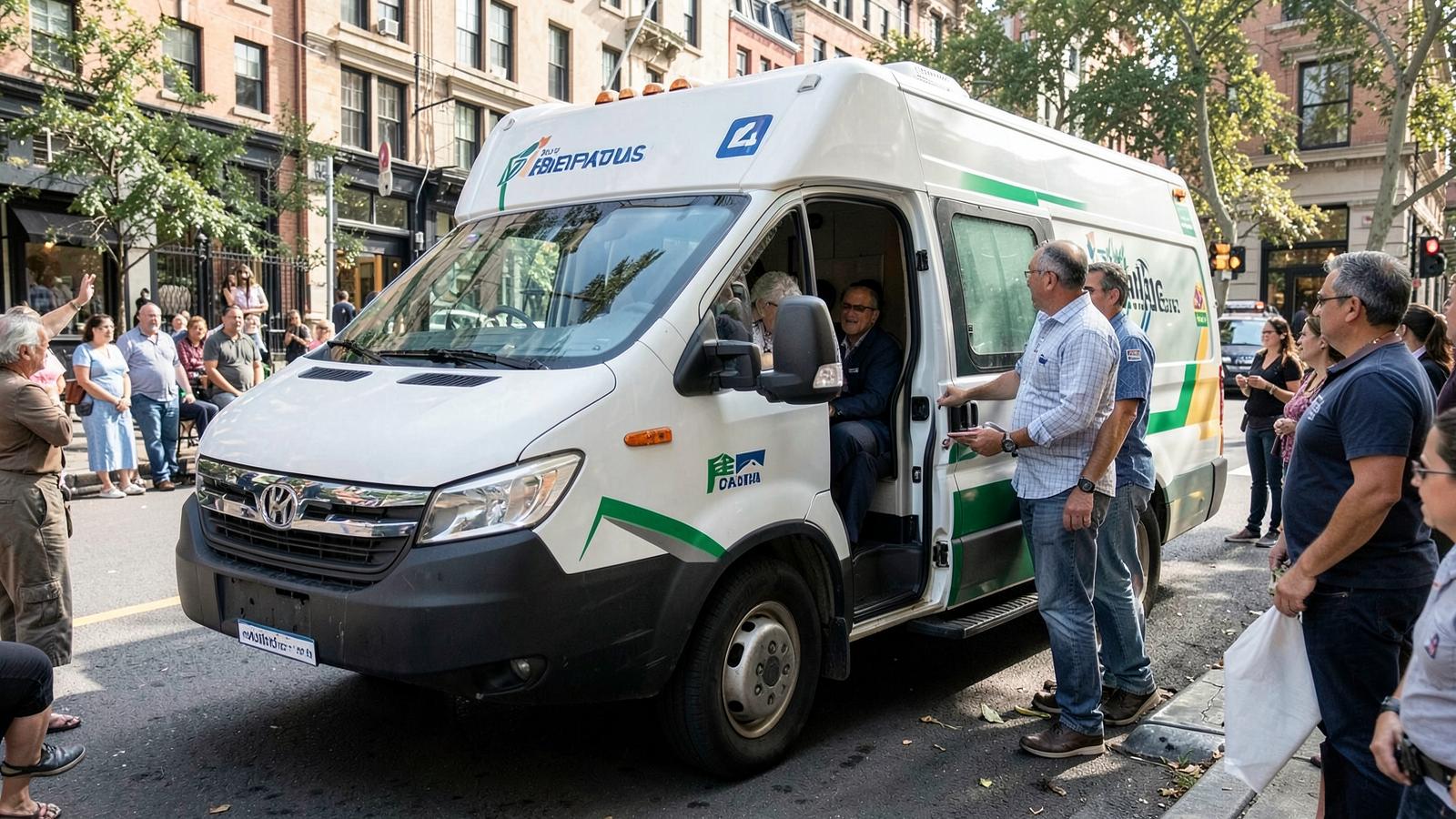
A mobile clinic parked outside a community center only works if the people who need it know it will be there, and know it will come back. That sounds obvious, but it has been the operational weak point of mobile health programs for years. A van full of clinical capability does little good if its schedule lives in a coordinator's notebook and changes without much notice, because patients cannot build trust in a service they cannot predict.
That predictability problem is why the software coordinating mobile clinic routes and appointments has quietly become as consequential as the vehicles and equipment themselves. Programs that started as emergency response tools, deployed after a natural disaster or during a public health emergency when fixed clinics were unavailable, are increasingly being asked to function as a permanent part of the primary care safety net in underserved neighborhoods and rural counties. That shift from emergency to routine changes what the software needs to do.
From One-Off Deployment to a Repeating Route
An emergency deployment tool needs to answer a simple question: where is the need right now, and how fast can a vehicle get there. A routine care tool needs to answer a harder question: how do we build a repeating schedule reliable enough that a patient with a chronic condition can plan a follow up visit around it, months in advance, the same way they would with a fixed clinic. That requires route planning software that balances competing demands, staff availability, vehicle maintenance windows, and community demand patterns, while still publishing a schedule far enough in advance that community health workers can help patients plan around it.
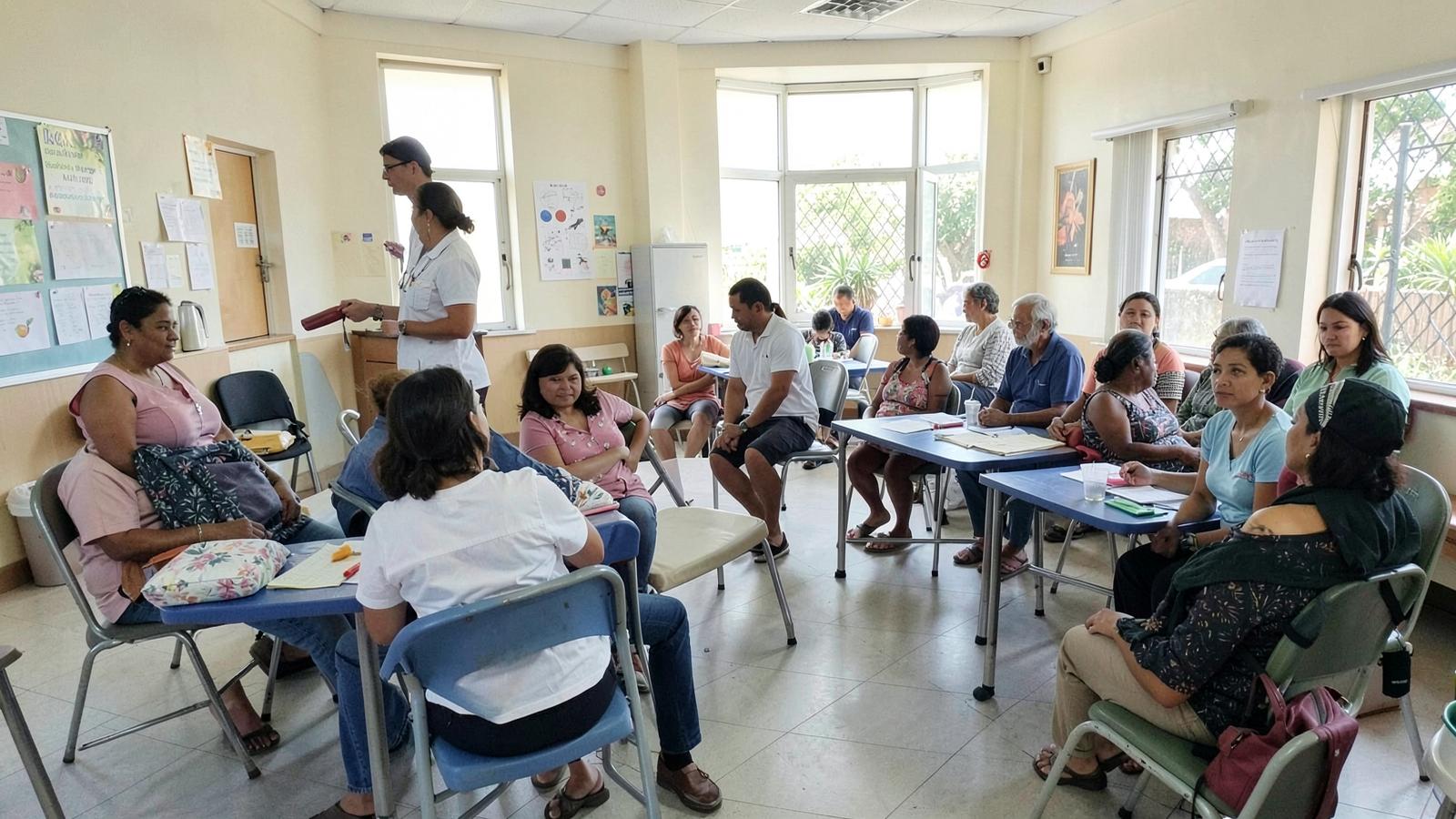
Programs that have made this transition successfully describe a common pattern: pairing the scheduling software with a community health worker layer that does outreach ahead of each stop, confirming appointments and reminding patients, rather than relying purely on an app or a text message reminder system. Populations served by mobile clinics often face housing instability, unreliable phone service, or limited digital literacy, and a purely digital reminder system misses a meaningful share of the people the program is trying to reach. The software is necessary infrastructure, but it works best paired with a human layer that can adapt when the digital channel fails to reach someone.
Data Continuity Is the Harder Problem

Beyond scheduling, mobile clinics face a data continuity challenge that fixed clinics generally do not: a patient seen at a mobile stop needs their record to connect to whatever primary care or specialist relationship they have elsewhere, or the visit becomes an isolated data point rather than part of a continuous care history. Programs that have invested in connecting their mobile clinic electronic health record to regional health information exchanges report meaningfully better follow up rates, because a primary care provider who sees that a patient had a mobile clinic visit for a blood pressure check can incorporate that into ongoing management rather than duplicating the work or missing it entirely.
That integration work is uneven across the country. Well funded urban mobile health programs affiliated with a hospital system tend to have this connectivity built in from the start, since they already sit inside a larger electronic health record ecosystem. Independently operated or nonprofit run mobile clinics, which make up a large share of the programs serving the most underserved communities, more often operate with standalone systems that were never designed to exchange data with anyone else, and connecting them retroactively is a nontrivial technical and financial undertaking.
What Sustainable Funding Requires
Mobile clinic programs have historically struggled with funding cycles that treat them as temporary interventions rather than standing infrastructure, which makes long term software investment hard to justify to funders focused on near term deployment metrics. Programs making the case for sustained funding are increasingly pointing to data the scheduling and routing software itself generates, showing repeat visit rates, chronic condition follow up completion, and neighborhood level access gaps, as evidence that the routine model works and deserves multi year rather than single grant cycle support.
Key Signals
Mobile and community clinics are increasingly judged by the reliability of their schedules rather than the sophistication of their vehicles, which has made routing and appointment software a central rather than peripheral investment. The programs that have successfully shifted from emergency deployment to routine care pair that software with a community health worker outreach layer, since purely digital reminders miss populations facing housing instability or unreliable phone access. Data continuity between mobile clinic visits and a patient's broader care record remains the harder unsolved problem, with well resourced hospital affiliated programs far ahead of independently operated nonprofit clinics on this front. Sustainable multi year funding for these programs increasingly depends on being able to show follow up and access data that the scheduling software itself produces, not just deployment counts.