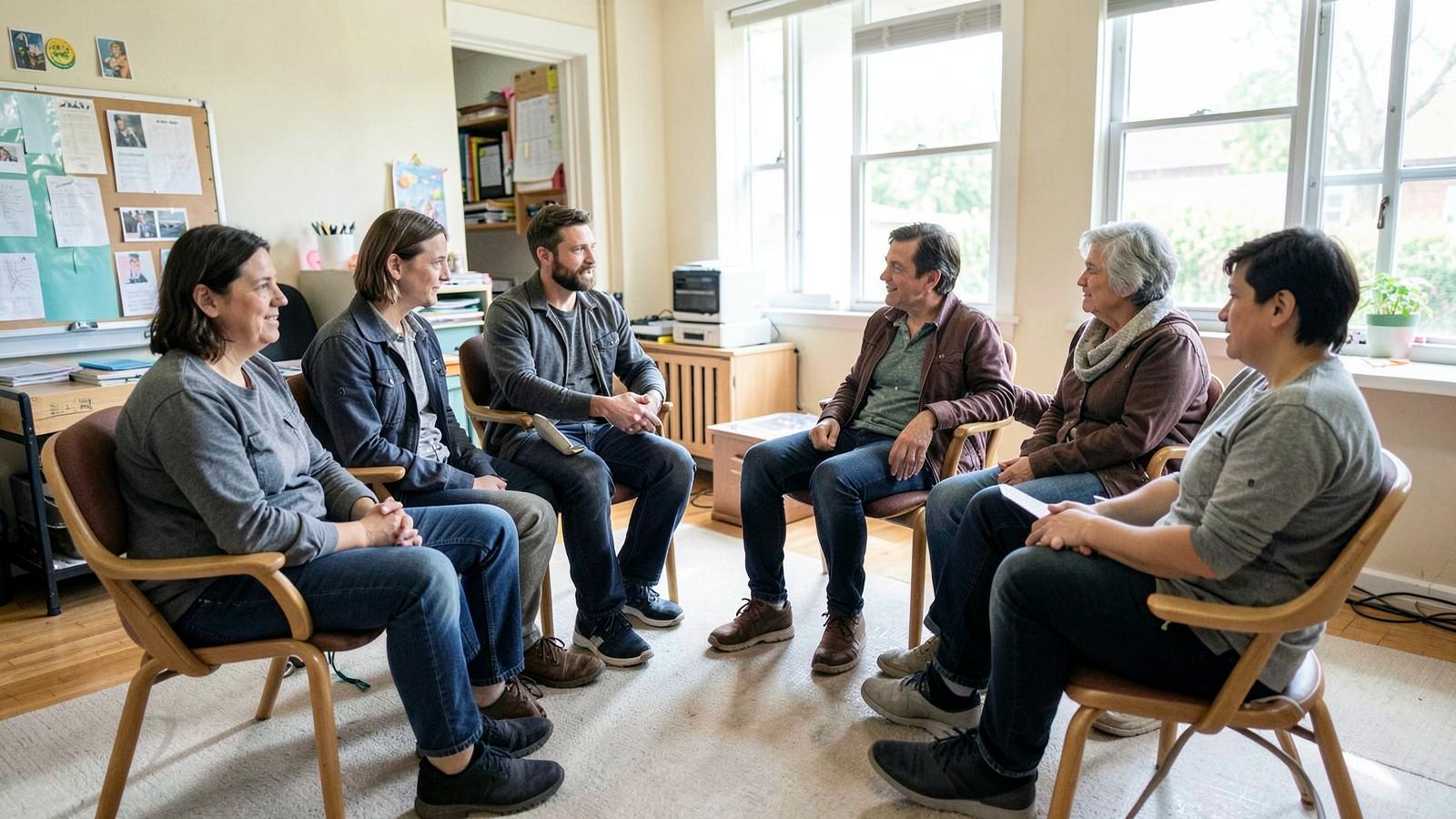
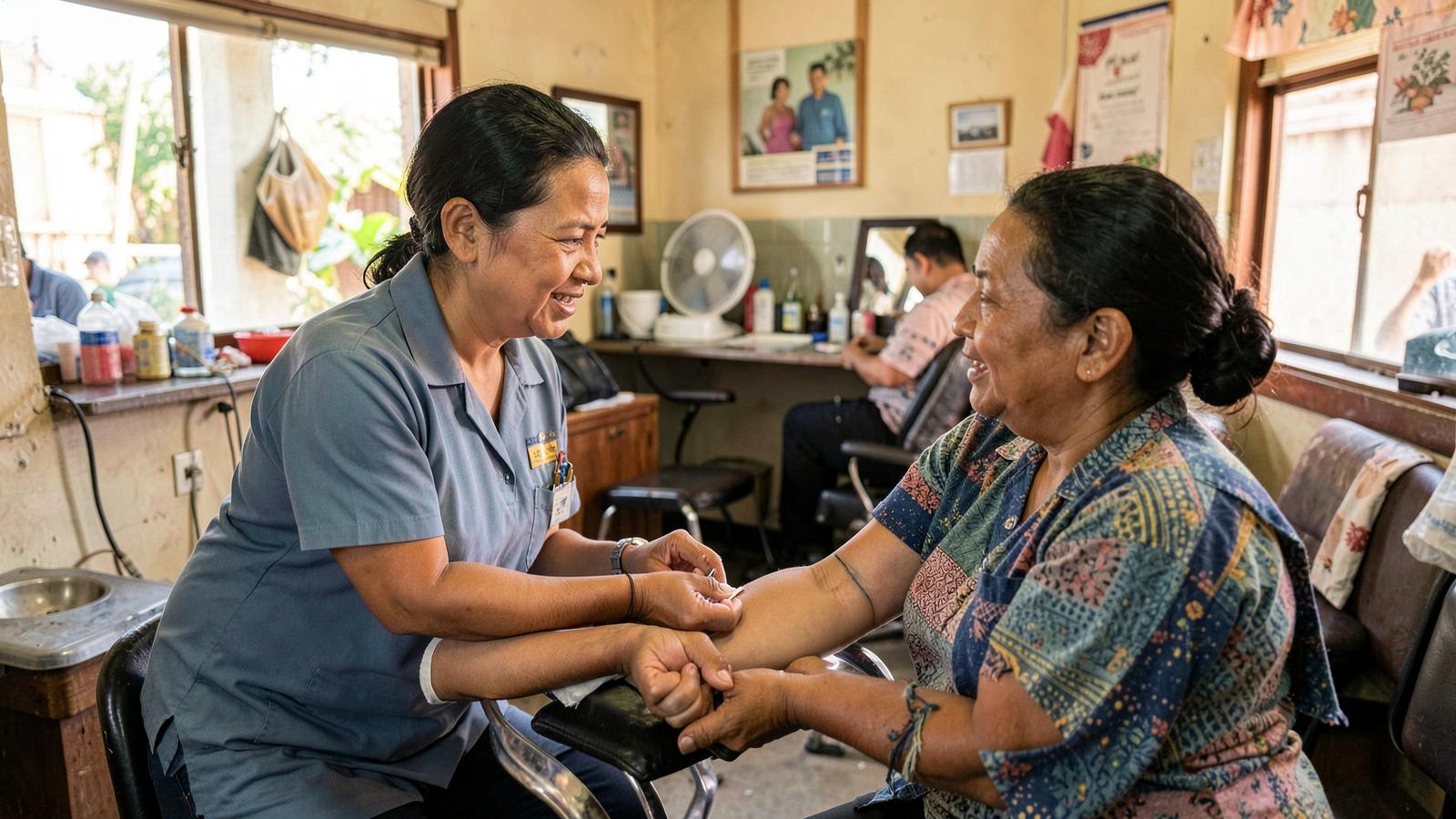
A community health worker doing a home visit has a fundamentally different job than a nurse working a clinic shift, but for years the software available to community health workers was simply a scaled down version of clinical documentation tools built for the exam room. That mismatch produced predictable friction: forms designed around clinical encounter structures that did not map cleanly onto a home visit, a food pantry conversation, or a blood pressure check conducted at a neighborhood barbershop or hair salon, all of which are common settings where community health workers do their most valuable work.
The tools built specifically for this workforce over the past several years look noticeably different from adapted clinical software. They are designed around the actual shape of a community health worker's day, which often includes multiple brief informal contacts rather than scheduled clinical encounters, intermittent connectivity in the field, and documentation needs that mix health information with social needs like housing, food access, and transportation that a standard clinical record was never built to capture well.
Designing for Offline First, Not Offline as an Afterthought
Connectivity reliability has been the most consistent design constraint driving these tools. Community health workers often do their work in the same underserved neighborhoods that also have the weakest broadband and cellular coverage, which means an application that assumes a live connection simply fails at the moment it is needed most. Tools built with an offline first architecture, where data entered in the field is stored locally and synced automatically once a connection becomes available, have proven far more usable in practice than tools that were built assuming connectivity and had offline functionality bolted on afterward as a secondary feature.
That design choice sounds like a minor technical detail, but it has meaningfully shaped adoption. Community health workers who tried early tools that lost data or failed to sync properly when a visit happened outside reliable coverage understandably reverted to paper notes, undermining the entire point of digitizing the workflow. Programs that invested in genuinely reliable offline functionality, tested under real field conditions rather than only in office settings with strong connectivity, report much higher sustained adoption among their workforce.

Capturing Social Needs Alongside Clinical Data
A second major design shift has been building documentation fields that treat social needs, housing stability, food security, transportation access, as core data rather than an optional add on to a clinical form. Community health workers routinely uncover this information during a home visit or an informal conversation, and historically it either went undocumented entirely or lived in a separate system disconnected from any clinical record, making it invisible to the broader care team that might otherwise act on it. Tools that integrate social needs screening directly into the community health worker workflow, and that route flagged needs to relevant referral resources automatically, have made this information more consistently available to the clinicians and case managers who need it.
Training and Trust Matter More Than Feature Lists
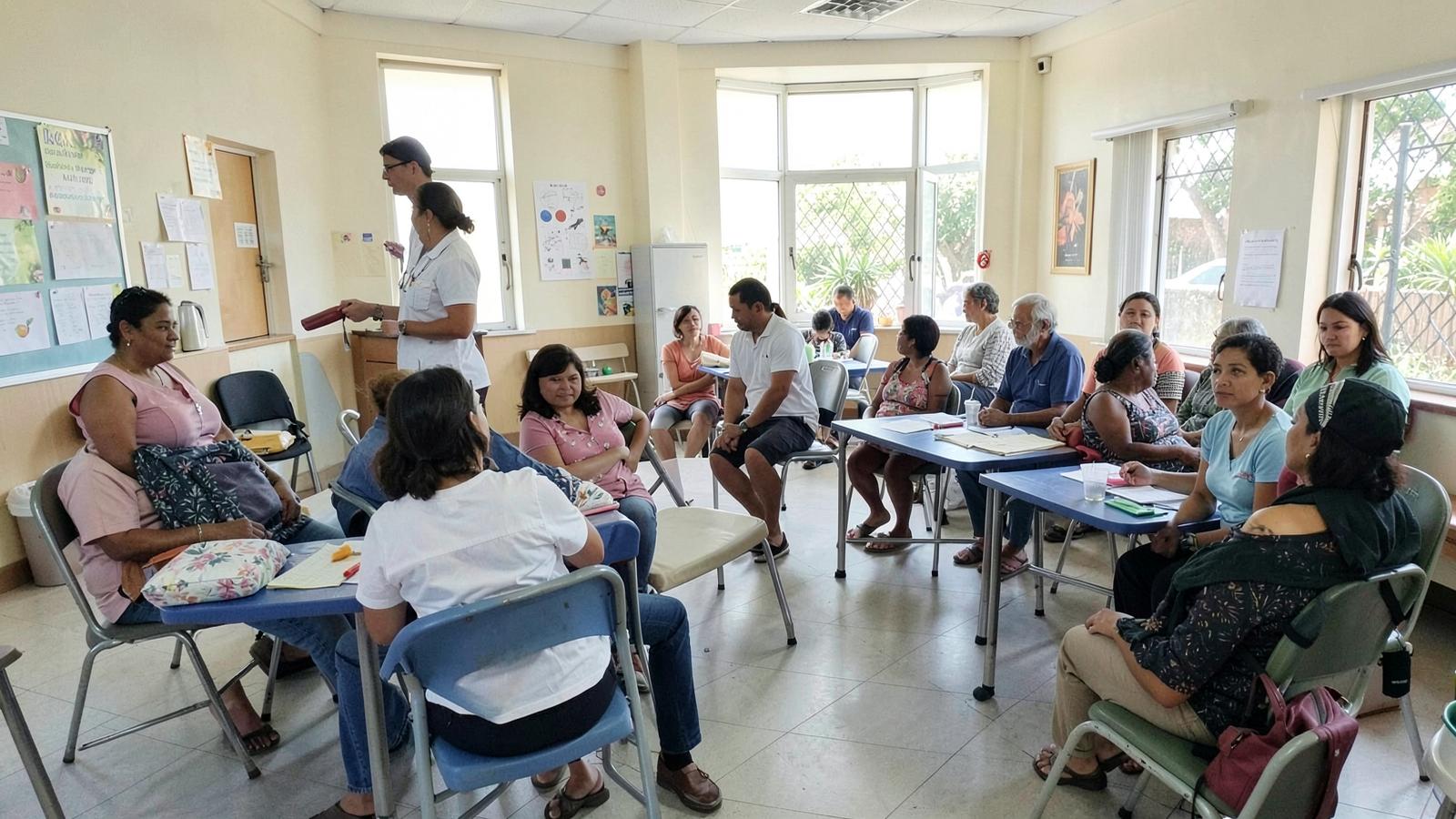
Vendors and public health programs that have successfully rolled out these tools consistently emphasize that adoption depends more on training and trust building with the community health worker workforce than on any particular feature. Community health workers are often hired specifically because of their trusted relationships within the communities they serve, and a tool that feels burdensome or that seems designed by people who do not understand the actual job undermines that trust and gets used minimally or abandoned. Programs that involved community health workers directly in tool design and iterative testing, rather than deploying a finished product built entirely by outside technical teams, report meaningfully smoother adoption and more honest feedback about what is and is not working.
Key Signals
Digital tools built specifically for community health worker fieldwork, rather than adapted from clinical documentation software, are proving more usable because they account for the actual structure of the job, including brief informal contacts and intermittent connectivity. Genuine offline first architecture, rather than offline functionality added as an afterthought, has been the single most consistent factor separating tools that see sustained adoption from tools that get abandoned in favor of paper. Integrating social needs data like housing and food security directly into the standard workflow, rather than treating it as a separate optional system, has made that information meaningfully more available to the broader care team. Programs that involve community health workers directly in tool design and testing see smoother adoption than those that deploy a finished product built without frontline input, underscoring that trust and usability matter as much as feature completeness in this workforce.