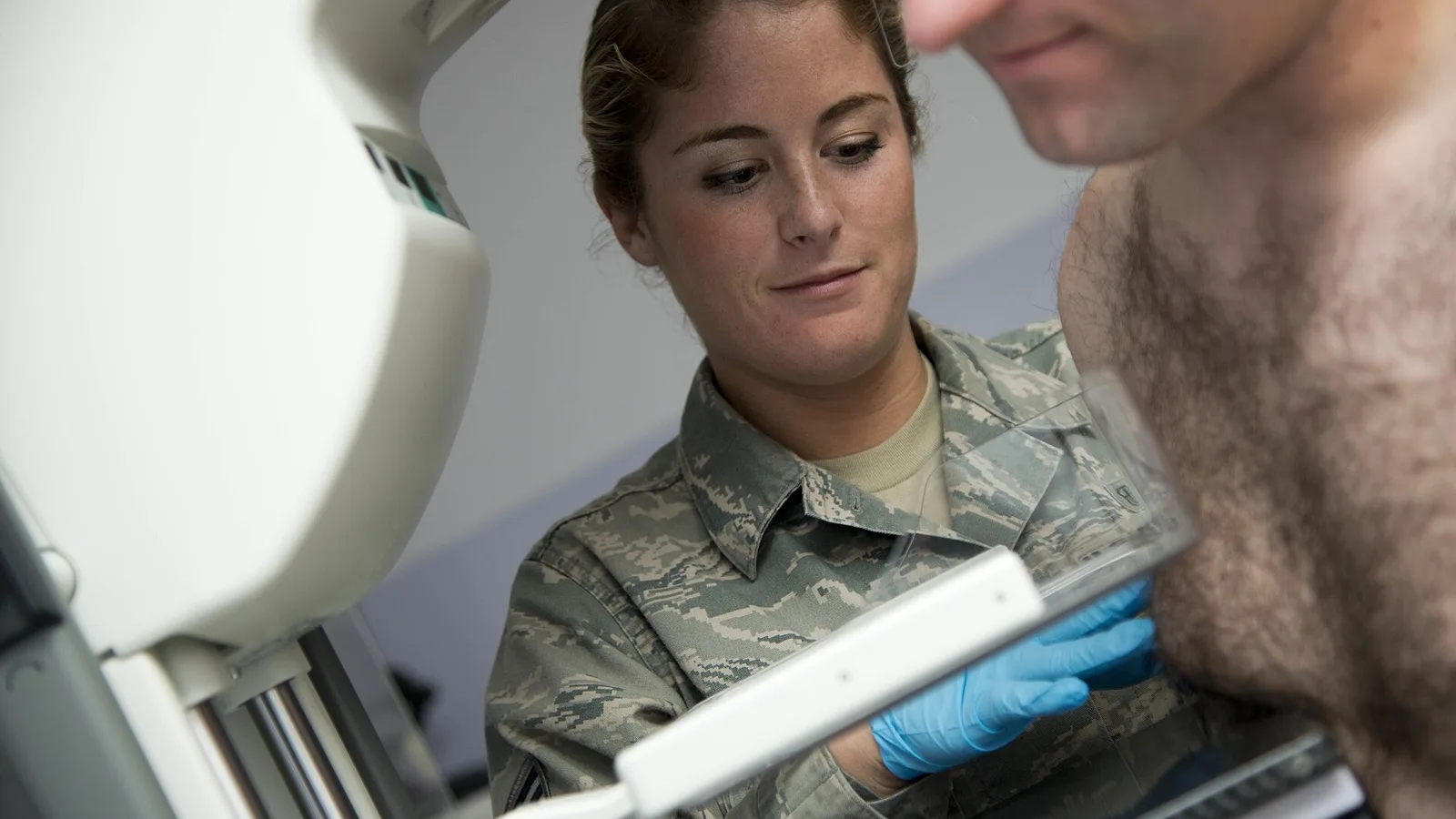
A federal requirement that took effect for mammography facilities across the United States mandates that women be informed directly when their mammogram shows dense breast tissue, a category that affects a substantial share of women and is clinically relevant because dense tissue can both mask tumors on standard mammography and is itself an independent risk factor for breast cancer. The requirement standardized a patchwork of state level notification laws that had built up unevenly over the previous decade, and its nationwide rollout has had a clear downstream effect: a large number of women are now, for the first time, being told their mammogram result carries this added consideration, and many are asking their clinicians what, if anything, they should do about it.
That question does not have a single simple answer, which is part of what has made this such an active area for new technology. Supplemental screening options for women with dense breast tissue include breast ultrasound, which can detect some cancers missed on mammography in dense tissue, and MRI, which is more sensitive still but considerably more expensive, less widely available, and typically reserved for women with additional risk factors beyond density alone. The clinical guidance on exactly which women with dense tissue should pursue which supplemental option, and how often, has been evolving and is not fully settled, which has left many general radiology and primary care practices without a clear, consistent protocol just as notification requirements are driving more patient inquiries.
Where AI tools are entering the picture
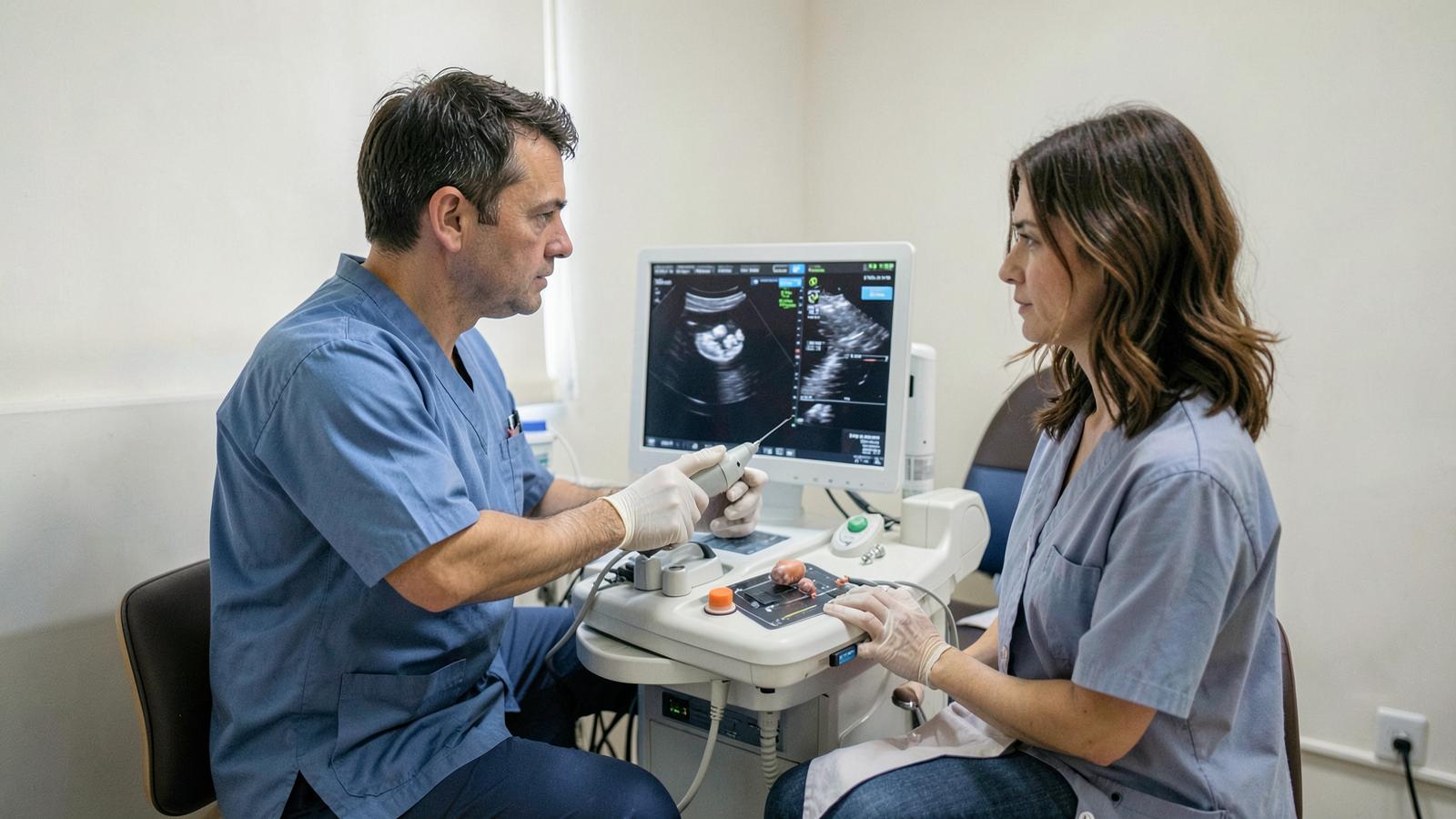
Several companies have brought AI supported imaging analysis tools into this gap, aimed primarily at two things: improving the accuracy of density classification itself, since that assessment has historically involved some subjectivity between different radiologists reading the same mammogram, and improving the sensitivity of supplemental ultrasound reads, where AI assisted tools can help flag areas warranting closer attention that a radiologist reviewing a high volume of studies might otherwise move past quickly. Neither application replaces the radiologist, but both are aimed at reducing the kind of variability that has long been a known weak point in breast imaging interpretation, particularly for the more subtle findings common in dense tissue.
The timing of this technology's growth is closely tied to the notification requirement itself. Radiology practices facing a meaningful increase in supplemental screening volume, driven by more women being informed of their density status and choosing to pursue ultrasound or other additional imaging, have a direct incentive to adopt tools that can help maintain read quality and turnaround times without a proportional increase in radiologist staffing, which remains a constrained resource in many regions.

The access and equity dimension
Notification alone does not guarantee access to appropriate follow up. A woman informed that she has dense breast tissue and that supplemental screening might be appropriate for her still needs a referral, an appointment, and often insurance coverage for imaging that is not always treated identically to standard screening mammography in terms of cost sharing. Coverage for supplemental breast imaging varies by insurer and by state, and some patients have found themselves informed of a risk factor with an available next step that is not fully covered, which creates a frustrating gap between notification and actionable care, particularly for women without the resources to absorb an unexpected out of pocket cost for additional imaging.
This has made policy advocacy around supplemental screening coverage a natural next step following the notification requirement itself, with patient advocacy groups and some clinical societies pushing for more consistent insurance coverage rules so that notification translates more reliably into access rather than simply information a patient may not be able to act on. Health systems focused on equitable screening outcomes have also begun building navigation support specifically for patients flagged with dense tissue, helping ensure that a positive finding on density is followed by an actual scheduled next step rather than being left to the patient to pursue independently.
What responsible AI adoption looks like here
As with other AI assisted imaging tools entering women's health, the companies building density classification and supplemental ultrasound reading support face a real obligation to validate their tools against diverse patient populations and to be transparent about performance across different breast tissue types and demographic groups, since imaging AI tools trained on non representative datasets have, in other clinical areas, shown meaningfully different performance across populations. Radiology practices adopting these tools should expect and request that kind of validation data before treating a tool's output as a reliable input into supplemental screening decisions.

Key Signals
The nationwide breast density notification requirement has created a substantial increase in patient demand for supplemental screening information and services, and AI assisted tools are entering primarily to help radiology practices manage that increased volume without sacrificing read quality. Improving the consistency of density classification itself is as significant an application for these tools as improving supplemental ultrasound interpretation, since subjective variability between radiologists in density assessment has been a long standing, underappreciated problem. The persistent gap between being notified of dense tissue and actually receiving covered, accessible supplemental screening remains the most significant unresolved issue the notification law has surfaced, and it is now driving separate policy advocacy around insurance coverage consistency. Responsible deployment of AI tools in this space depends on rigorous validation across diverse patient populations, given the documented history of imaging AI tools performing unevenly across demographic groups when that validation is skipped.