Dr. Sarah Patel begins her morning clinic at a family medicine practice in Chicago. As she walks into the examination room to see her first patient, a sixty-four-year-old man with type 2 diabetes and hypertension, she does not open her laptop. Instead, she places her smartphone on the desk and greets him. They talk about his recent home blood pressure readings, his struggles with medication adherence due to cost, and a mild pain in his right knee that began after a fall last week. Throughout the fifteen-minute visit, Dr. Patel never looks at a screen or touches a keyboard.
Behind the scenes, an ambient AI application listens to the conversation, filters out the social pleasantries, and organizes the clinical facts. By the time Dr. Patel returns to her desk, the draft progress note is already complete. More importantly, the system has drafted a referral to physical therapy, queued up a prescription for a lower-cost generic blood pressure medication, and suggested a billing code based on the clinical complexity discussed.
This is the reality of ambient clinical intelligence in 2026. What began several years ago as a novel method for reducing the burden of clinical documentation has matured into the primary interface through which clinicians interact with the electronic health record (EHR). The market has shifted from early adoption to deep enterprise integration, fundamentally changing the daily economics of clinical practice.
From Ambient Dictation to Agentic Workflows
To understand the state of the market in 2026, it is helpful to look back at the trajectory of the technology. The initial generation of AI scribes focused almost exclusively on translation and summarization. They took audio files, converted them to text, and used large language models to format that text into standard subjective, objective, assessment, and plan (SOAP) notes. Clinicians still had to copy, paste, edit, and manually execute every order within the EHR.
Today, we have entered the era of agentic clinical workflows, which refer to software systems that can autonomously perform multi-step administrative and clinical tasks based on the context of a patient encounter. The modern AI scribe does not just listen; it anticipates. It understands that when a physician says "let's check your kidney function next week," the system must generate a laboratory order for a basic metabolic panel and draft the associated instruction for the patient.
This shift has changed the primary value proposition for health systems. In 2024, vendors sold their products based on time saved, often promising that clinicians could save two hours per day on documentation. In 2026, while time savings remain a critical metric for preventing professional burnout, the primary driver for enterprise adoption is workflow velocity and revenue cycle integrity. By structuring data at the point of care, these tools ensure that clinical complexity is accurately captured, reducing the frequency of retrospective billing queries and insurance denials.
Deep EHR Integration Overcomes the Copy-Paste Era
The survival of ambient AI vendors over the last two years has depended entirely on the depth of their integration with major EHR platforms. Early solutions required clinicians to run separate mobile or web applications, copy the generated note, log into the EHR, and paste the text into the correct field. This friction limited adoption to highly motivated clinicians.
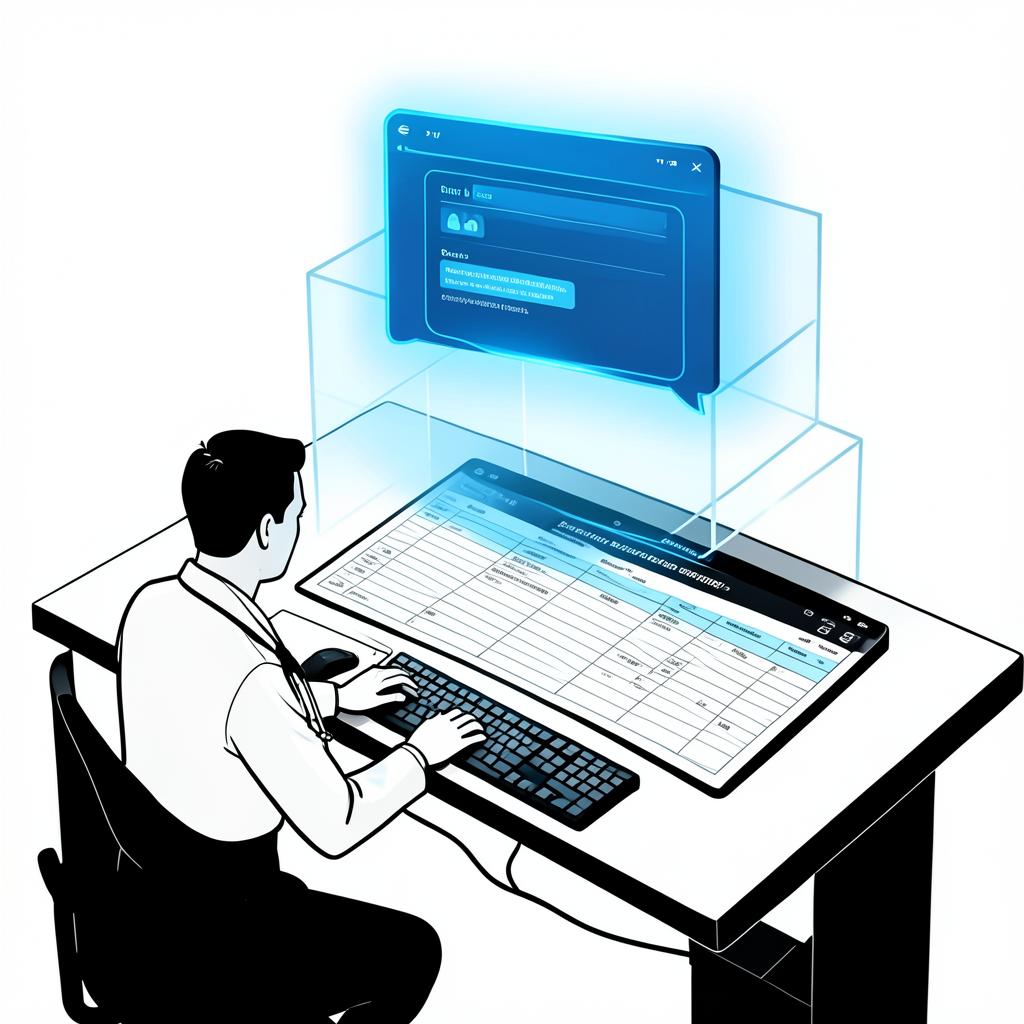
In 2026, the leading ambient tools operate natively within the EHR environment. Major electronic health record companies have opened their application programming interfaces (APIs) to allow two-way communication between ambient engines and the patient record. This allows the AI to pull context before the visit begins, such as the patient's active medication list, recent laboratory results, and previous encounter notes.
This bidirectional flow of information enables context-aware ambient documentation, a process where the generated note is informed not only by the acoustic data in the room but also by the patient's existing longitudinal record. For example, if a patient mentions "taking my water pill," the AI cross-references the active medication list to identify the drug as furosemide, documenting it accurately in the note without requiring the physician to specify the generic name or dosage aloud.
This deep integration has also enabled real-time clinical decision support that is less intrusive than traditional pop-up alerts. Because the AI understands the clinical context of the conversation, it can quietly present relevant guidelines, highlight missing preventive screenings, or suggest clinical trials for which the patient might qualify, directly within the clinician's workspace.
The Technical Architecture and Safety Guardrails
The technical architecture supporting these tools has become significantly more robust. In the early days, ambient tools suffered from occasional hallucinations, where the model would invent clinical details or misattribute statements to the wrong speaker. In 2026, vendors use hybrid architectures to mitigate these risks.
These systems combine automatic speech recognition (ASR) engines trained on diverse clinical dialects with specialized medical large language models. Rather than relying on a single general-purpose model, modern platforms use a series of smaller, fine-tuned models for specific tasks. One model might handle diarization, which is the process of distinguishing between the voices of the doctor, the patient, and a family member. Another model extracts clinical facts, while a third formats those facts into the physician's preferred documentation style.
To ensure safety, health systems now mandate strict verification protocols. Every generated note contains structured metadata that links back to the specific portion of the audio transcript from which the information was derived. When a physician reviews a note, they can hover over a sentence, such as "patient denies chest pain," to see the exact transcript segment confirming that statement. This transparency preserves the physician's role as the final medical authority, protecting against clinical errors while maintaining an auditable trail of documentation.
The Economics of Enterprise Adoption
The financial model for ambient AI has stabilized as the technology has matured. The early market was fragmented, with dozens of point solutions charging high per-seat monthly subscription fees. Today, health systems view ambient AI as core infrastructure, similar to speech recognition software in radiology, and negotiate enterprise-wide licenses.
This consolidation has driven down the average cost per physician, making it feasible to deploy the technology across entire medical groups rather than just among high-billing specialists. The return on investment is no longer measured solely by individual physician satisfaction. Instead, chief financial officers look at broader operational metrics.
First, there is a measurable increase in clinical throughput. When documentation overhead is minimized, practices can design schedules that allow for more patient visits per day without extending working hours. Second, there is a reduction in coding lag. Because notes are completed immediately following the encounter rather than at the end of the week, billing cycles are accelerated, improving practice cash flow. Finally, clinical quality departments report higher compliance with quality measures and documentation standards, which directly impacts reimbursement in value-based care contracts.
As we look ahead, the role of ambient intelligence will continue to expand. The technology is moving beyond the outpatient clinic into the inpatient wards, emergency departments, and intensive care units, where the acoustic environments are more challenging and the workflows are highly dynamic. By removing the computer screen as a physical barrier between the clinician and the patient, these tools are quietly returning medicine to its relational roots.
Key Signals
Ambient clinical intelligence has transitioned from a standalone documentation aid to an integrated workflow engine that interacts directly with the electronic health record to execute clinical and administrative tasks.
Enterprise adoption is now driven by comprehensive financial metrics including clinical throughput, accelerated billing cycles, and reduced coding denials rather than just individual time savings.
Technical safety is maintained through hybrid model architectures and structured metadata verification that allows clinicians to trace every generated sentence back to the original source transcript.