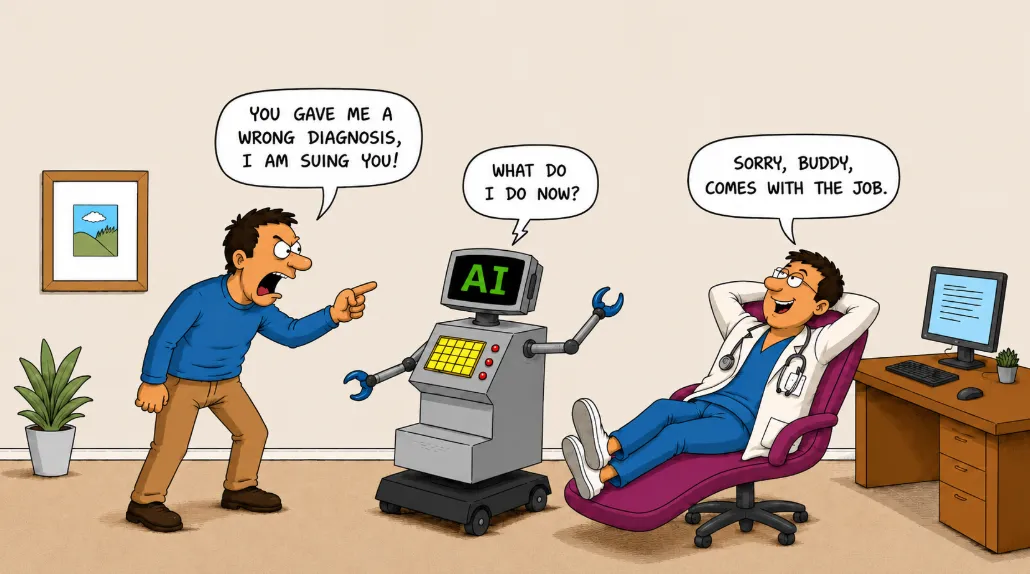
AI triage tools can reduce mistriage and speed up assessment in specific, narrow settings. They are not a substitute for the nursing workforce, and treating them as one is the most common strategic error I see health systems make right now. The distinction matters because the budget conversations in most C-suites currently blur it.
What is actually being deployed
Three categories are live today, at different levels of maturity:
- Emergency department triage decision support, where a model reviews vitals, chief complaint and history to suggest an acuity level, still reviewed by a triage nurse. A scoping review in the Journal of Medical Artificial Intelligence covering AI-enabled patient triage found the tools reduce documented mistriage rates in several studies, while flagging that most evidence comes from single-site retrospective evaluations rather than multi-site prospective trials.
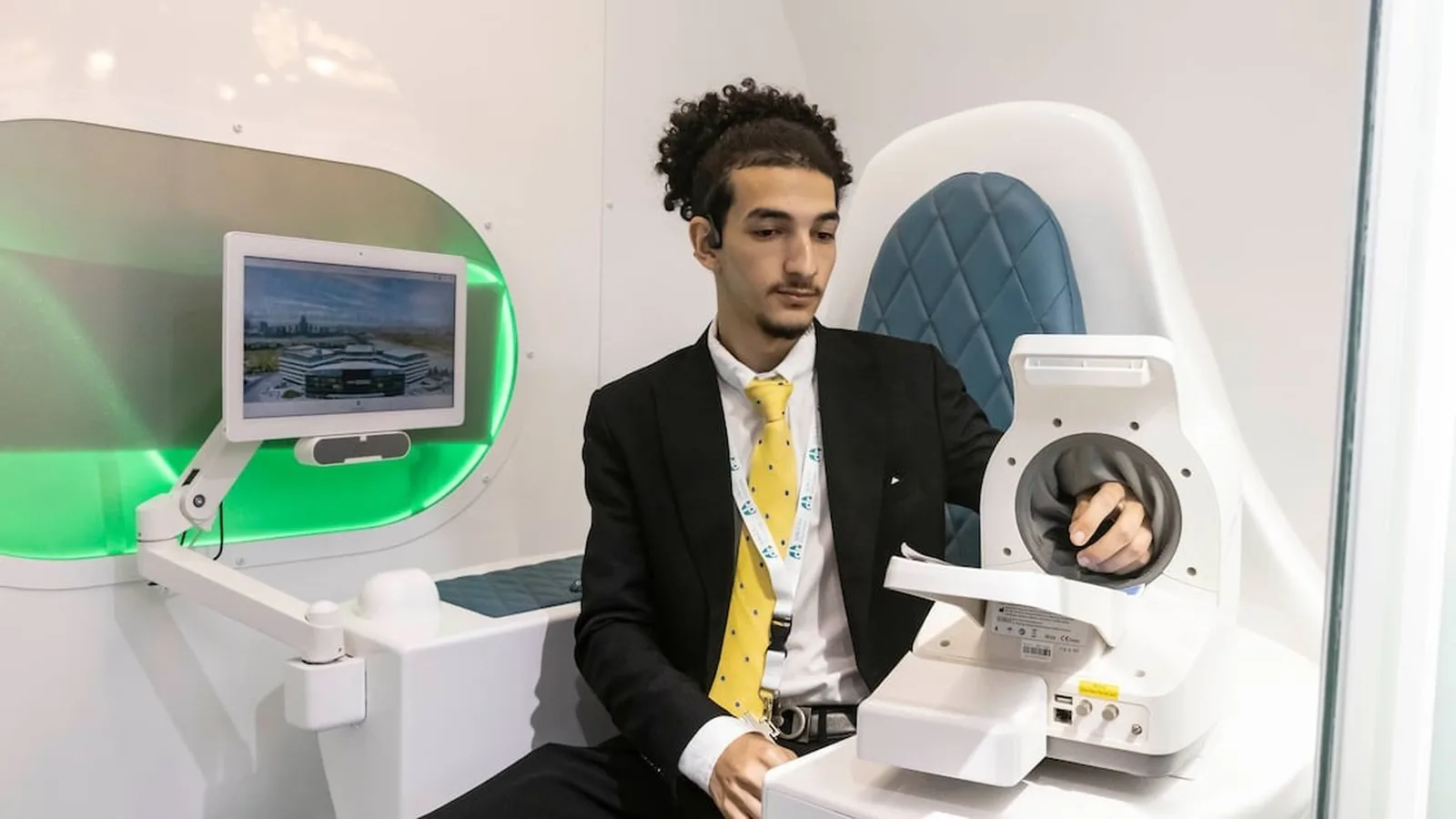
- Direct-to-consumer AI symptom assessment, deployed in places like the UAE's AI-powered clinics, described by The National as software checking patients ahead of a human encounter rather than replacing the encounter.
- "Empathetic AI nurse" conversational agents for chronic disease check-ins and post-discharge follow-up, positioned explicitly, per MedCity News, as freeing nurse time for direct care rather than eliminating nursing roles.
Does frontline nursing staff actually trust these tools?
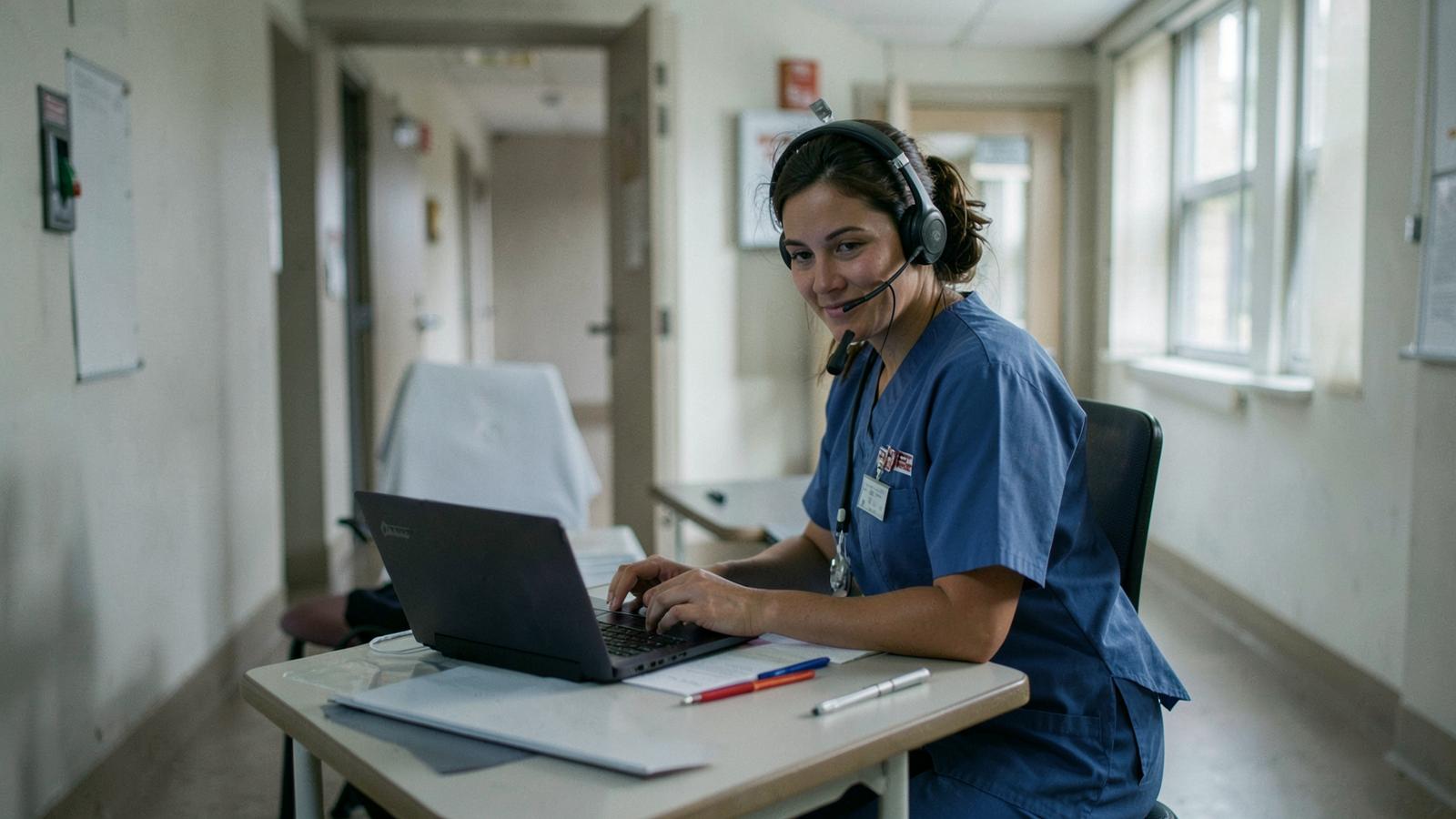
Mixed, and worth taking seriously rather than dismissing as resistance to change. A qualitative study of emergency department nurses found attitudes toward AI triage tools split along a predictable line: nurses valued speed and consistency on straightforward cases, and distrusted the tool on ambiguous, atypical presentations, exactly the cases where clinical judgment earns its keep. That is not an argument against the technology. It is a description of where its error rate concentrates, and it should shape deployment design: use the model to accelerate clear-cut triage and route ambiguous presentations to a human faster, not slower.
The shortage math the AI conversation keeps skipping
The more pointed critique comes from inside nursing itself. A MedCity News op-ed by a former NICU nurse argues that the industry's AI enthusiasm is largely misdirected relative to the actual drivers of the nursing shortage: burnout from unsafe staffing ratios, inadequate new-graduate support, and compensation that has not kept pace with acuity. None of those are solved by adding a triage algorithm. A hospital that buys an AI triage tool instead of fixing ratios is treating a symptom of the shortage, not the shortage itself, and the workforce notices the difference.
What actually moves the needle versus what sounds like it does
Likely to help, based on current evidence:
- Reducing low-acuity documentation burden so nurses spend more time on direct patient assessment.
- Standardizing triage acuity scoring to reduce inter-rater variability on straightforward presentations.
- Automating routine post-discharge check-ins, freeing nurse time for patients who need a real conversation.

Unlikely to help, regardless of how the deck is written:
- Reducing headcount requirements in units already operating at unsafe ratios.
- Replacing nurse judgment on ambiguous, high-acuity, or atypical presentations, where current evidence shows the highest error concentration.
- Fixing retention, which is driven by working conditions and compensation, not by documentation speed.
What health system leaders should ask before buying
- What is the mistriage rate on ambiguous presentations specifically, not the aggregate rate across all cases, which is dominated by easy cases the tool was never going to get wrong.
- Is this tool designed to reduce nurse workload or reduce nurse headcount? Vendors answer this question differently depending on who is in the room, and the honest answer changes your ROI model entirely.
- What does the frontline staff who will use it daily actually think, based on a real pilot with their feedback documented, not a vendor testimonial.
The takeaway
AI triage is a real, measurable improvement in a specific slice of clinical workflow: fast, standardized handling of straightforward cases. It is not a nursing-shortage solution, and the health systems that pitch it internally as one will find that out during the next round of staffing negotiations, not before.
Key Signals
AI triage tools measurably reduce mistriage on straightforward cases but nurses distrust them on ambiguous, atypical presentations. The nursing shortage is driven by unsafe staffing ratios and burnout, problems a triage algorithm does not touch. Direct-to-consumer AI symptom checkers are being positioned globally as pre-encounter screening, not encounter replacement. Ask vendors directly whether their tool is designed to reduce workload or reduce headcount; the honest answer changes your ROI math.