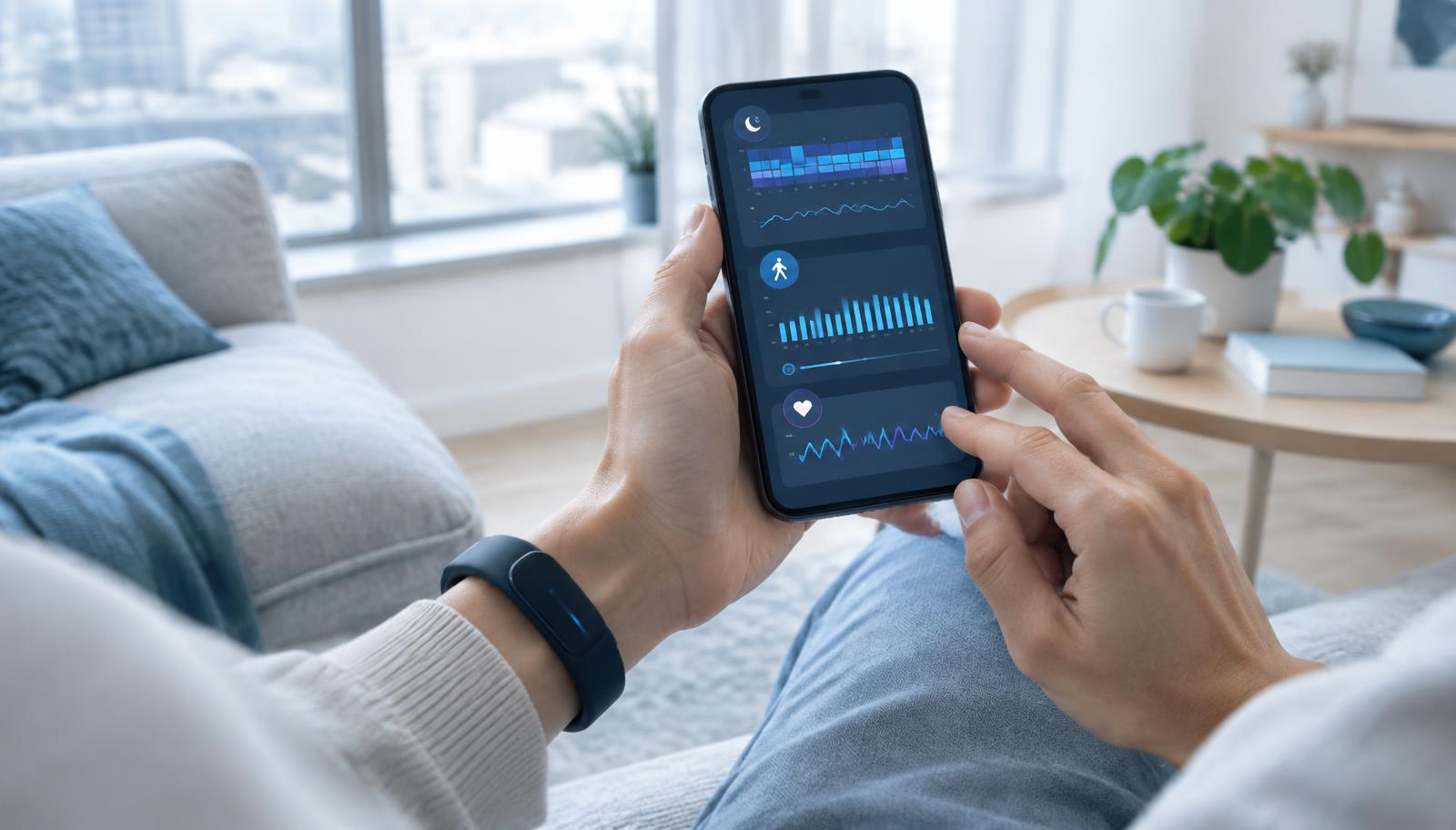
At five o'clock on a Tuesday afternoon, a family physician sits in an exam room with a patient of twenty years. Between them on the desk lies a smartphone, its screen showing a subtle waveform that indicates it is recording. The device is running an ambient listening program designed to automatically draft the clinical note for the encounter. The patient glances at the phone, wondering where the audio recording goes, who owns the data, and whether their sensitive medical disclosures will be shared with commercial entities. The physician, meanwhile, wonders if the underlying model will accurately differentiate between a history of stable asthma and an acute exacerbation, or if it will hallucinate a physical exam finding that was never performed.
This scene is playing out in thousands of clinics across the country. As healthcare organizations face unprecedented administrative burdens and severe clinician shortages, the deployment of artificial intelligence tools has accelerated from cautious pilot studies to enterprise-wide rollouts. While health system executives see these tools as a direct path to reducing burnout and recapturing lost clinical hours, their rapid introduction has created a friction point between clinical utility, patient trust, and regulatory uncertainty. Healthcare leaders must navigate these immediate tensions to make informed decisions about procurement and clinical safety.
1. Ambient Clinical Scribes
The term ambient clinical scribes refers to real-time voice-to-text tools that capture audio from doctor-patient conversations and automatically draft clinical notes. These systems run on mobile devices or dedicated room hardware, utilizing speech-to-text models combined with large language models to structure unstructured conversation into standard medical formats.
Patients frequently wonder if their spoken words are being permanently stored or used to train commercial models. They express concern that the presence of an active listening device might restrict their willingness to discuss sensitive topics, such as substance use or mental health conditions.
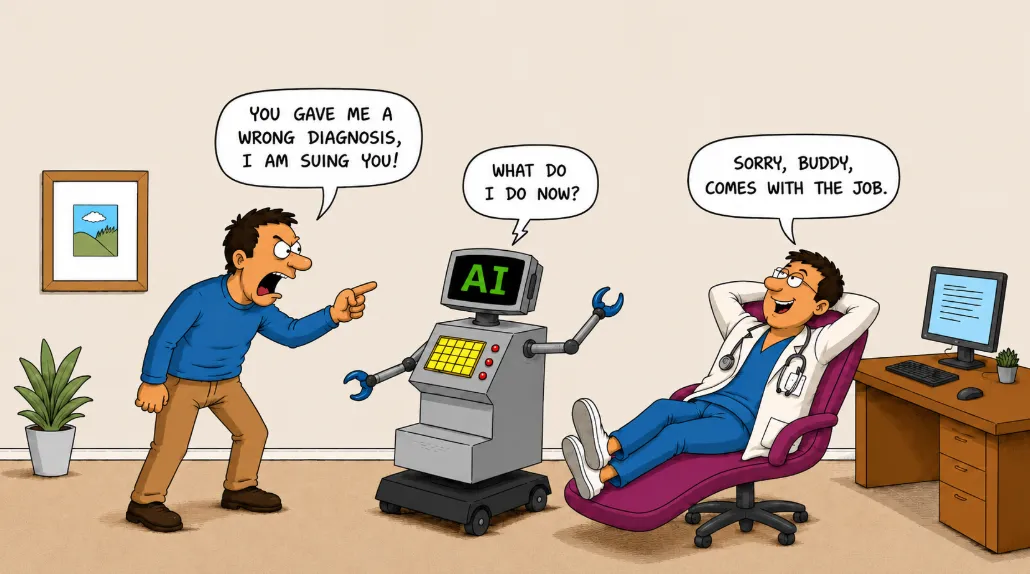
Clinicians are concerned about the cognitive offloading that occurs when they stop writing notes themselves. If a physician signs off on an automated draft that contains a subtle clinical error, such as an incorrect medication dose or a missing symptom, the legal liability rests entirely with the human signer, not the software vendor.
Why it matters: For healthtech operators, ambient scribing represents the fastest-growing software category in clinical medicine. Early data from regional health systems indicates that these tools can save physicians up to two hours of documentation time per day. However, the long-term success of this category relies on robust enterprise data agreements that guarantee patient data privacy and prevent unauthorized model training.
2. Generative Portal Message Drafts
A generative portal draft engine is software integrated into the electronic health record that automatically drafts replies to patient messages in the patient portal inbox. These engines read the patient query, analyze the chart history, and suggest a response for the clinician to review, edit, and send.
Patients ask whether the compassionate tone of the messages they receive is genuine or generated by an algorithm. There is a risk that discovering a message was drafted by an artificial intelligence will damage the therapeutic relationship and erode patient trust in their medical team.
Physicians worry about the loss of authentic connection and the potential for subtle clinical misunderstandings. An algorithm may craft an empathetic response that sounds reassuring but misses an underlying clinical warning sign, such as a patient describing mild chest discomfort that actually requires emergency evaluation.
Why it matters: Inbox management is a primary driver of clinical attrition, with message volumes remaining high even after the peak of the pandemic. Generative drafting tools can reduce the time spent replying to inquiries by half, but operators must establish strict clinical protocols to ensure that every drafted message is thoroughly reviewed by a licensed clinician before transmission.
3. Computer Vision Triage for Radiology
We define automated radiology triage software as algorithms that pre-screen imaging files to flag acute findings, such as intracranial hemorrhages or pulmonary embolisms, for immediate prioritisation in the radiologist's worklist. Rather than replacing the radiologist, these tools reorder the queue so that life-threatening cases are read first.
Patients often wonder if their scans are being ignored if the software does not flag them as urgent. They worry that a false negative from the algorithm might place their scan at the very bottom of a long backlog, delaying critical diagnoses.
Radiologists worry about automation bias, which is the tendency for human readers to trust the algorithm's preliminary assessment over their own clinical judgment. If the software flags a scan as normal, the radiologist might spend less time reviewing it, potentially missing subtle abnormalities that the model was not trained to detect.
Why it matters: This technology is a mature application of computer vision in clinical practice, demonstrating clear utility in emergency departments where turnaround times are critical. For investors and developers, the challenge lies in proving that these tools improve patient outcomes rather than simply shifting the order of the reading queue without reducing overall diagnostic error rates.
4. Patient-Facing Symptom Translators
The term symptom translation engines refers to patient-facing digital tools that convert conversational descriptions of symptoms into structured clinical histories, helping patients decide whether to seek urgent care, schedule an appointment, or manage their symptoms at home. These tools are often integrated into health system websites or patient portals.
Patients wonder if these systems will incorrectly advise them to stay home when they are experiencing a medical emergency. They also express frustration when the system provides vague, non-committal recommendations that do not help them make a clear decision.
Clinicians are concerned that patients may rely on these tools as a substitute for professional medical advice, leading to delayed presentations of serious illnesses. They also worry about receiving poorly structured referral data from these engines that does not align with clinical triaging protocols.
Why it matters: Properly routed patients reduce the burden on crowded emergency departments and improve primary care utilization. Health systems that successfully integrate these tools can lower their cost of care and improve patient access, but they must maintain clear disclaimers and immediate pathways to human clinical support.
5. Autonomous Coding Software
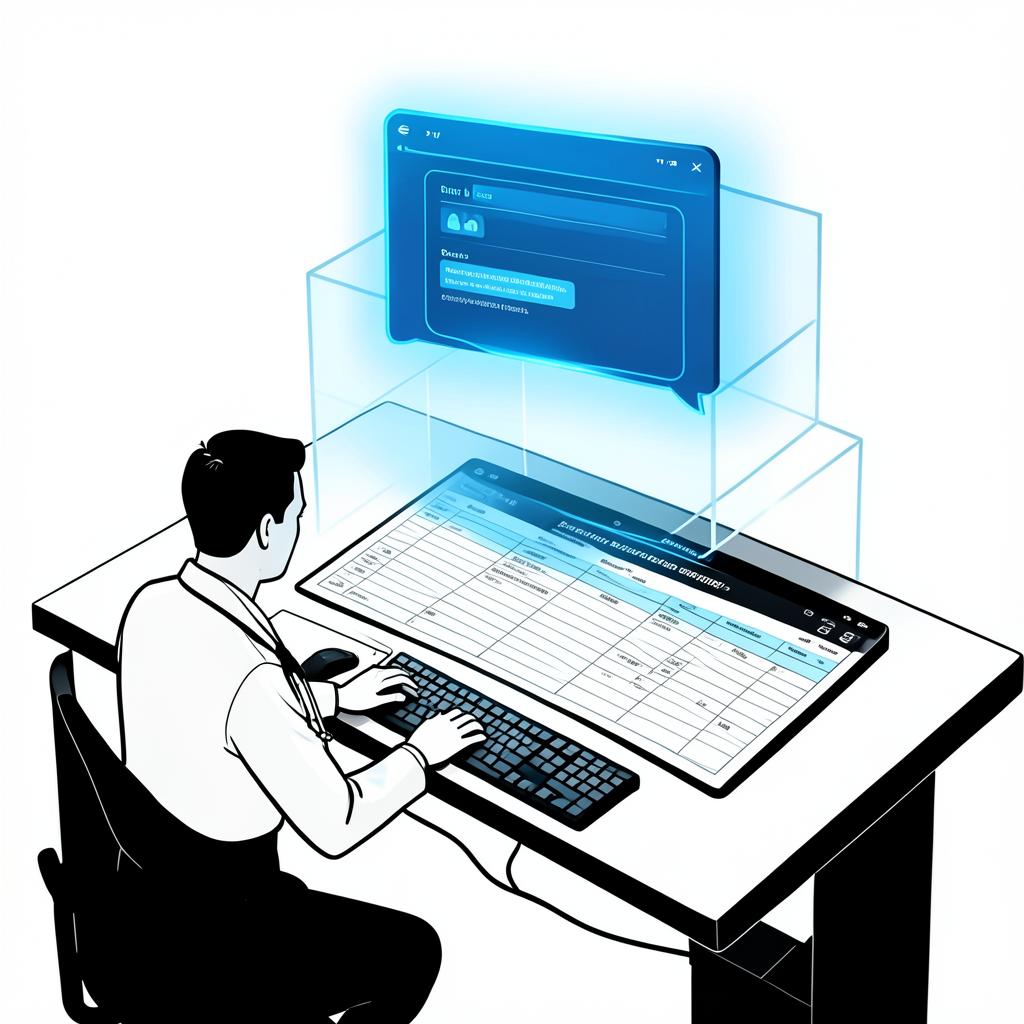
An autonomous coding software system is defined as a platform that uses natural language processing to read complete clinical charts and automatically assign standard billing codes, such as ICD-10 and CPT codes, without requiring human coders to review the documentation.
Patients worry that automated coding could lead to billing errors, resulting in unexpected out-of-pocket expenses or denied insurance claims that are difficult and time-consuming to appeal.
Clinicians and administrative leaders are concerned about compliance and audit risks. If an algorithm systematically overcodes procedures to maximize revenue, the health system could face severe regulatory penalties and audits, even if the error was caused by an algorithmic bias rather than intentional fraud.
Why it matters: Revenue cycle management is a major operational expense for health systems, and autonomous coding offers a potential solution to high administrative costs. Operators must balance the efficiency gains of automated coding with the cost of maintaining a robust internal audit program to verify algorithmic accuracy.
Key Signals
The transition from human-in-the-loop systems to fully autonomous applications is moving at different speeds across administrative and clinical workflows, requiring operators to establish distinct validation standards for each category of tool.
Patient trust is becoming a measurable asset for health systems, meaning that transparent disclosure of algorithmic involvement in clinical communication will be necessary to preserve the doctor-patient relationship.
The legal and regulatory landscape is shifting toward strict liability for the clinicians who sign off on algorithmic outputs, which will increase the demand for robust clinical safety guardrails in software design.