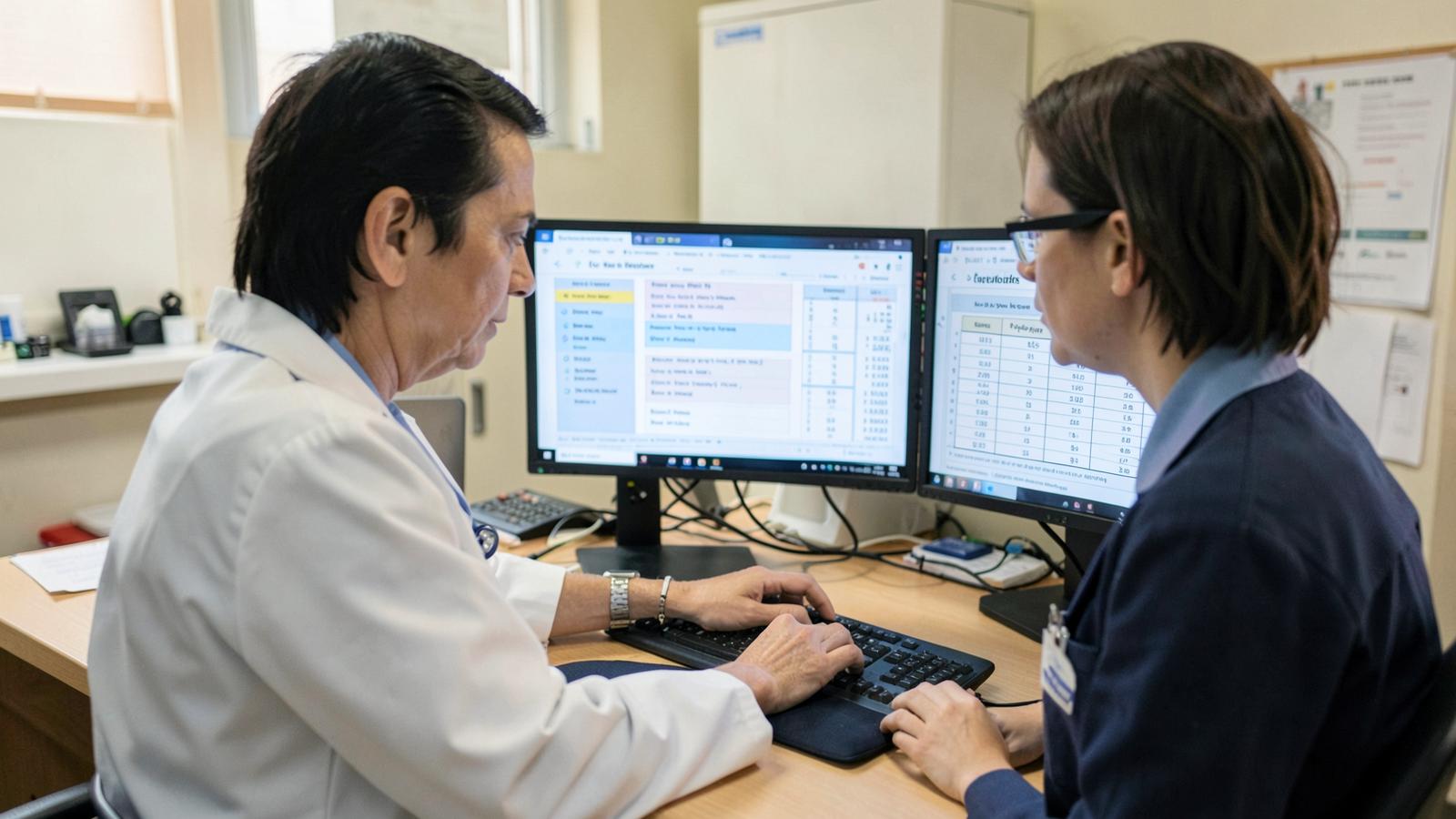
At 8:45 AM in a busy orthopedic clinic, a surgeon prepares for a post-operative review of a total knee arthroplasty. Instead of spending the first ten minutes of the consultation handing the patient a paper questionnaire and manually calculating a clinical score, the surgeon opens the patient chart to find a pre-populated trend line. Weekly data points collected automatically over the past ninety days show a clear trajectory of physical recovery. This is not a pilot project; it is the standard operating protocol for a health system managing thirty thousand orthopedic cases annually under bundled payment arrangements.
The transition of patient tracking from a retrospective exercise to a real-time clinical tool is the defining shift of the current healthcare landscape. Health systems are operating under increasingly tight margins, and value-based care agreements require verifiable evidence of clinical improvement. To succeed, clinical operators require software that integrates seamlessly with daily workflows, minimizes administrative burdens on staff, and achieves high patient response rates.
Historically, capturing health indicators outside the clinic walls was a fragmented process. Today, specialized platforms have matured to turn patient-reported data into actionable clinical decisions.
1. Epic Care Companion
The native patient-monitoring module of the market-dominant electronic health record allows health systems to build, deploy, and analyze outcome tracking programs directly within the existing clinical interface. By leveraging the patient portal, this tool delivers structured questionnaires and collects vital signs without requiring third-party logins.
Epic Care Companion operates as an extension of the core clinical database. When a patient completes a questionnaire, the data is instantly parsed into flowsheets, which can trigger automated clinical alerts or update the patient registry. For clinical operations, this native integration eliminates the need for complex interface engines or separate user credentials.
Why it matters: Clinician adoption is the primary barrier to digital health initiatives. By embedding outcome collection directly inside the primary charting interface, health systems reduce the administrative burden on clinical staff and ensure that patient data is immediately visible at the point of care.
2. Twistle by Health Catalyst
This platform specializes in pathways that guide patients through complex clinical episodes using automated, text-based communication. Twistle delivers simple, structured check-ins that do not require patients to download an external application or remember complex passwords.
The platform uses asynchronous patient engagement, which is defined as the clinical practice of communicating with and monitoring patients outside of scheduled face-to-face appointments using timed, automated messages. By utilizing simple text messaging technology, the platform routinely achieves engagement rates above 70 percent. These interactions allow the platform to gather critical clinical indicators, verify compliance with post-discharge instructions, and identify early warning signs of complications before they require emergency department visits.
Why it matters: For health systems managing value-based care contracts, post-discharge complications are major drivers of unnecessary costs. Automated, low-friction communication pathways allow clinical teams to manage large patient populations by exception, directing manual interventions only to those patients who flag as high risk.
3. Noona by Varian
Specifically designed for the oncology workflow, Noona provides a highly structured environment for tracking patient symptoms during active cancer therapy. Oncology patients frequently experience severe side effects that, if unmanaged, lead to emergency hospitalizations and treatment interruptions.
The platform allows oncology clinics to collect patient-reported outcome measures (PROMs), which are defined as standardized questionnaires completed by patients to evaluate their health status, physical function, and emotional well-being without clinician interpretation. Noona categorizes symptom severity using established oncology criteria and prioritizes urgent responses for the clinical team. This targeted triaging ensures that severe toxicities are addressed immediately, while mild symptoms are managed with automated self-care recommendations.
Why it matters: Cancer therapies are increasingly complex and toxic. Utilizing a specialized tool that understands oncological symptom grading allows specialized practices to maintain treatment adherence, reduce emergency admissions, and improve overall survival rates through early intervention.
4. Xealth
Rather than acting as a standalone patient portal, Xealth serves as a digital distribution and monitoring engine that integrates with multiple external health applications. The platform enables clinicians to order digital therapeutics, remote monitoring programs, and educational materials directly from their daily workspace.
The core capability of this platform is digital health prescribing, which is defined as the structured clinical workflow that allows a provider to order digital applications, remote monitoring programs, or educational tools directly from the electronic health record. Xealth monitors whether the patient opens, installs, and actively uses the prescribed digital tool, sending this engagement data back to the primary clinical record. This closed-loop tracking allows health systems to evaluate which digital health vendors are delivering actual clinical utility.
Why it matters: As health systems buy more point solutions for specific chronic diseases, managing the distribution and evaluating the return on investment of these tools becomes a massive operational challenge. A centralized distribution engine prevents vendor fragmentation and provides a single dashboard to evaluate digital tool efficacy.
5. Phreesia
Historically known for patient check-in and registration, Phreesia has expanded into a powerful intake-driven outcome collection platform. By capturing clinical data during the check-in process, either at home before an appointment or on a mobile device in the waiting room, the platform ensures nearly universal compliance.
Phreesia automates the delivery of standardized screening tools based on the patient's scheduled appointment type and clinical history. The results are scored automatically and imported into the patient record before the clinician enters the examination room. This approach turns idle waiting room time into productive clinical data gathering.
Why it matters: Collecting outcomes data prior to the clinical encounter optimizes face-to-face time. Clinicians can immediately review the calculated scores to focus their conversation on identified problem areas, rather than spending limited clinical minutes administering surveys.
Key Signals
The maturation of patient outcomes platforms has shifted the focus of clinical operations from mere data collection to automated clinical triaging.
The industry is moving away from generic, app-heavy solutions in favor of native electronic health record workflows or frictionless, text-based communication pathways that maximize patient response rates.
Successful digital health strategies in 2026 depend on closing the loop between patient-reported data and actionable, automated interventions that reduce clinician workload rather than adding to it.