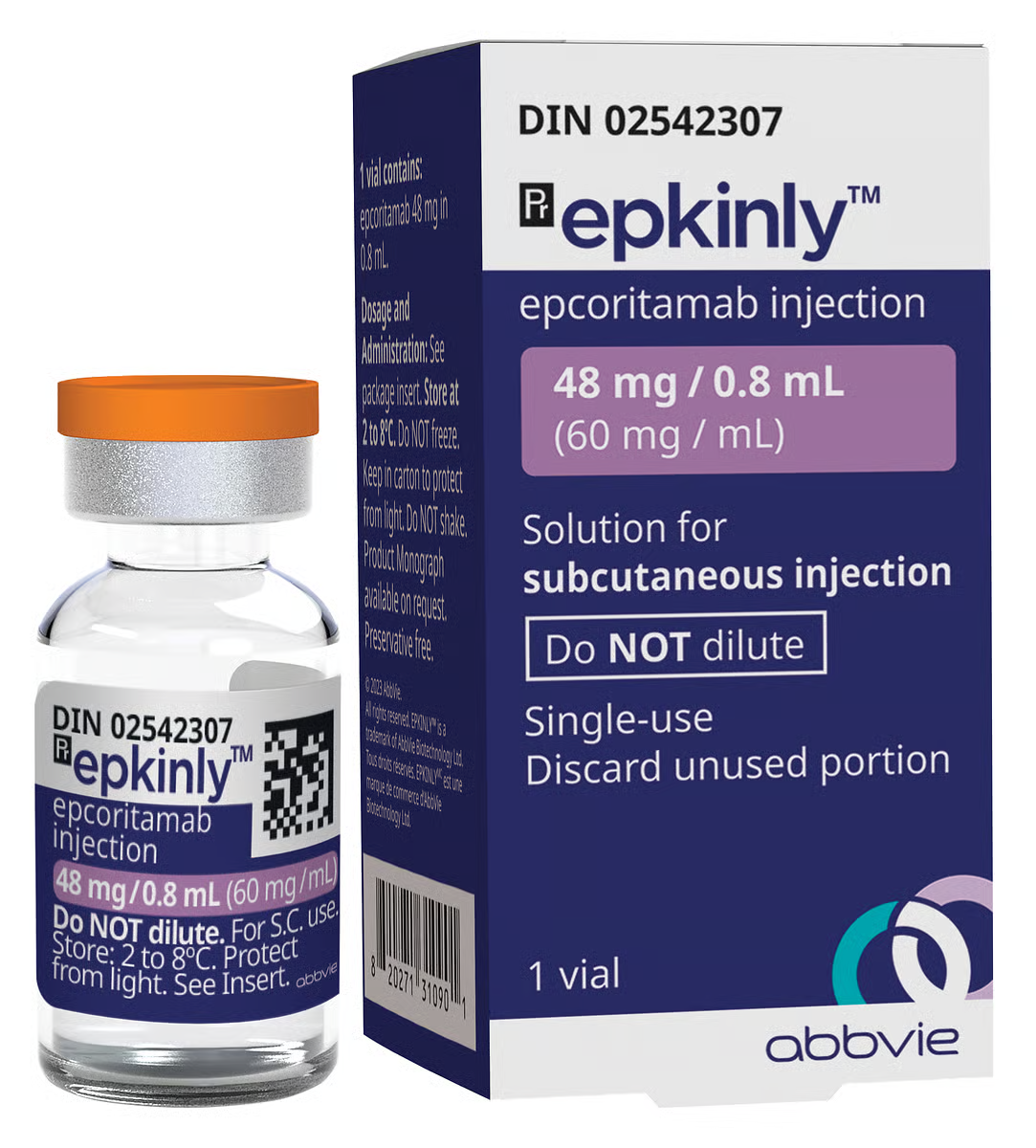
Continuous Precision Maintenance: The Economics and Protocols of Chemotherapy-Free HER2 Blockade

Dr. Dereck Mush, MD, MBAThe Daily SignalOctober 8, 2026
PLUS: How Novartis took oral BTK inhibition into physical friction hives.

Good morning, HealthTech insiders. After chemotherapy ends, treatment does not stop for people with HER2-positive metastatic breast cancer. They typically continue HER2-targeting antibodies. Now the FDA has approved a third drug for that maintenance period: Pfizer’s oral therapy Tukysa. In a Phase 3 trial, adding it delayed disease progression compared with antibody maintenance alone.
Two other developments deserve a close look today. Novartis won the first FDA approval specifically for symptomatic dermographism, the friction-triggered form of chronic hives. And Kairos Pharma reported a striking interim Phase 2 result in resistant prostate cancer. One is an established regulatory decision; another is an early clinical signal. What happens next depends on longer follow-up, safety, and how these treatments fit into care.
In today's Signal:
Pfizer adds Tukysa to HER2 maintenance: The FDA approved tucatinib with trastuzumab and pertuzumab after initial treatment. Median progression-free survival was 24.9 months versus 16.3 months with the two antibodies and placebo; overall-survival data are still immature.
Novartis gains a new Rhapsido indication: Adults whose symptomatic dermographism remains uncontrolled on H1 antihistamines now have the first FDA-approved treatment specifically for the condition. At week 12, 29.3% taking remibrutinib had a complete hive response, versus 14.0% taking placebo.
Kairos reports an interim prostate-cancer result: In its ongoing Phase 2 trial, median progression-free survival was 17.7 months with ENV-105 plus apalutamide, versus 2.0 months with apalutamide alone. The company is changing the protocol to study the combination earlier in treatment.
Follow the money: Four announced rounds totaling $184 million span mutant-selective cancer drugs, vascular disease, gene-delivery design, and clinic voice automation.
Claude can be your analyst, editor, and strategist.
But most professionals are using it to fix grammar.
These 200+ Claude prompts take it from grammar tool to your most powerful AI work assistant.
Sign up for Superhuman AI and get:
200+ ready-to-use Claude prompts to get real work done in minutes, researched, tested, and used by professionals at Google, Microsoft, and NASA
Superhuman AI newsletter (4 min daily) so you keep learning new AI tools and skills to stay ahead in your career, the prompts are just the beginning
LATEST DEVELOPMENTS

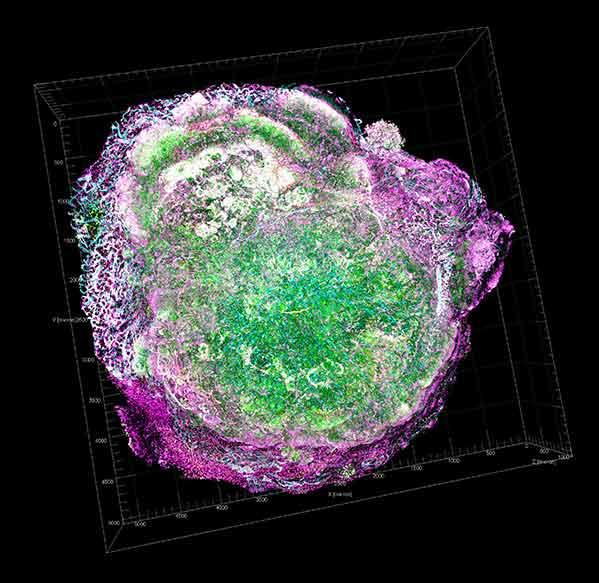
Breast-cancer cell imagery. Credit: National Cancer Institute.
The FDA approved Tukysa (tucatinib) with trastuzumab and pertuzumab for adults with unresectable locally advanced or metastatic HER2-positive breast cancer whose disease had not progressed after initial treatment. The approval adds an oral HER2 inhibitor to an existing antibody-based maintenance approach.
The details:
In the 654-patient HER2CLIMB-05 trial, median progression-free survival was 24.9 months with tucatinib versus 16.3 months with placebo, each given alongside trastuzumab and pertuzumab. The hazard ratio was 0.64.
Patients entered the trial after four to eight cycles of trastuzumab, pertuzumab, and a taxane without disease progression. The study included patients with or without brain metastases.
Overall-survival results were not mature at the time of the progression-free survival analysis. Tukysa’s prescribing information includes a boxed warning for liver toxicity and warnings concerning diarrhea and other risks.
The Signal: The clinical advance is more time before progression during maintenance, when patients are no longer receiving the initial taxane. HER2 antibodies were already active treatment during this period. The next questions are whether longer follow-up shows an overall-survival benefit and how clinicians manage the additional drug’s toxicity in routine care.

Testing for symptomatic dermographism. Credit: ECARF / Allergyresearch,
The FDA approved Rhapsido (remibrutinib) for adults whose symptomatic dermographism remains inadequately controlled by H1 antihistamines. Everyday rubbing or scratching can trigger hives and itching in this form of chronic inducible urticaria.
The details:
In the symptomatic dermographism cohort of Phase 3 RemIND, 29.3% of patients taking remibrutinib achieved a complete response from hives at week 12, compared with 14.0% taking placebo (p=0.0229).
Rhapsido is an oral Bruton’s tyrosine kinase inhibitor. It already had a US indication for chronic spontaneous urticaria; this approval extends its use to a distinct condition.
The company reported adverse events including bleeding, headache, nausea, and abdominal pain. RemIND also studied other forms of inducible urticaria, but this approval does not cover them.
The Signal: Patients with persistent friction-triggered hives now have a medicine tested and approved specifically for their condition. The measured gain is meaningful, though most treated patients did not reach complete hive response by week 12. Prescribing and longer-term experience will show how the oral option fits into care.

Microscopic view of prostate-cancer tissue. Credit: Otis Brawley / National Cancer Institute.
Kairos Pharma says its ongoing Phase 2 study found a progression-free survival difference between ENV-105 (carotuximab) plus apalutamide and apalutamide alone in metastatic castration-resistant prostate cancer.
The details:
In the company’s interim analysis, median progression-free survival was 17.7 months with the combination versus 2.0 months with apalutamide alone (p=0.0008).
ENV-105 targets CD105, a protein Kairos is investigating for its role in treatment resistance. The reported result supports further study; it does not yet establish precisely how the benefit occurred.
Kairos has modified the protocol to enroll patients earlier after progression on an androgen-signaling inhibitor. The revised study will compare enzalutamide alone with enzalutamide plus ENV-105, with Phase 2 completion targeted by late 2027.
The Signal: The interim separation between trial arms is large enough to warrant attention. A fuller dataset, including patient numbers, safety, and results under the revised protocol, is needed before drawing conclusions about survival or a change in treatment practice.
QUICK HITS
HER2 maintenance: Mature overall-survival data from HER2CLIMB-05 and how cancer centers incorporate tucatinib into treatment pathways.
Inducible hives: Full RemIND results for other urticaria types and how patients with symptomatic dermographism respond beyond the initial trial period.
Prostate cancer: Enrollment and outcomes in Kairos’s revised enzalutamide comparison, alongside fuller reporting of the original interim analysis.
The deals:
KymaThera: $80 million Series B to advance K-1728, an investigational PI3Kα inhibitor designed to target cancer-associated mutations while sparing the normal form of the enzyme.
RougeTx: $58 million Series A to develop treatments for hereditary hemorrhagic telangiectasia, including its investigational pericyte-focused program.
WhiteLab Genomics: $26 million Series B to expand its AI-assisted design and experimental testing of gene-delivery components.
Vocca: $20 million Series A for voice agents handling patient calls, scheduling, and other practice workflows.
The pattern: These rounds back four different attempts to solve a specific bottleneck: drug selectivity, fragile blood vessels, delivery of genetic medicines, and access to a clinic by phone. Their clinical or operational value still has to be demonstrated in their respective settings.
World Health Summit 2026: October 11-13 | Berlin and online. Global health leaders will discuss public-health systems, preparedness, and health innovation.
Frontiers Health 2026: October 20-21 | bcc Berlin Congress Center, Berlin. A European forum for digital health, therapeutics, investment, and adoption.
6th Digital Health Conference: November 3-4 | Barcelona. Covers AI and data in healthcare, MedTech, digital medicine, and regulatory trends.
AIRS Medical SwiftSight Body Composition: FDA-cleared software that analyzes body-composition measures from MRI. AIRS says a compatible scan can take under five minutes; SimonMed was announced as its first customer.
HeartSciences MyoVista Insights: An ECG management platform designed to make AI-based ECG tools available within clinical workflows.
WhiteLab Genomics ALFRED: A design platform for gene-delivery components that pairs computational work with experimental validation.
KymaThera: Developing mutant-selective PI3Kα medicines; its proposed safety advantage is a research goal, not a demonstrated patient outcome.
Kairos Pharma: Testing whether adding its CD105-targeting antibody can improve results with hormone-directed prostate-cancer treatment.
Vocca: Building multilingual voice agents for outpatient phone and scheduling workflows.
Continuous Precision Maintenance: The Economics and Protocols of Chemotherapy-Free HER2 Blockade
What the Tukysa approval changes after induction therapy, what HER2CLIMB-05 establishes, and why immature survival data and treatment burden matter.
Expanding the Kinase Perimeter: Oral BTK Inhibition in Mechanical and Inducible Autoimmunity
How Rhapsido reached its symptomatic dermographism indication, what the week-12 hive-response result means, and what remains unknown about broader use.
Reversing the Resistance Cascade: Vascular Reprogramming and Second-Line Antiandrogen Synergy
A close look at Kairos’s interim Phase 2 result, its CD105 hypothesis, and the evidence needed before ENV-105 can affect practice.
Which result would most change your view of today’s therapies? |
For patients with HER2-positive metastatic breast cancer, the immediate change is a new approved option during maintenance. For people with symptomatic dermographism, it is the first treatment approved for their specific condition. For Kairos’s prostate-cancer program, it is a promising interim result with important testing still ahead.
The question to watch is what the next evidence adds: longer survival, lasting relief, or a benefit that holds up when more patients are studied. Those answers will determine how far today’s headlines travel beyond the trial.
How did we do today? |
See you tomorrow,
Dr. Dereck Mush, MD, MBA
The HealthTech Signal is independently funded. Sponsorships help us invest in better reporting, research, and a stronger newsletter for our readers. Want to reach HealthTech founders & executives while supporting the Signal? Get in touch.
Was this email forwarded to you? Sign up here.
Until tomorrow,
The HealthTech Signal

Dr. Dereck Mush, MD, MBA
Dr. Dereck Mush, MD, MBAKeep exploring