Precision fermentation, the technique of engineering microorganisms such as yeast or bacteria to produce a specific target molecule through a controlled fermentation process, built its public profile over the past several years mainly through food technology applications, producing dairy proteins, fats and other ingredients without animal agriculture. A quieter but strategically significant shift is now underway as a number of synthetic biology companies that built their engineering platforms and manufacturing expertise in the food technology space are redirecting that same underlying capability toward pharmaceutical applications, engineering microbes to produce active pharmaceutical ingredients, biologics precursors and specialty compounds that have historically depended on more complex, costly or geographically concentrated supply chains.
The strategic logic behind this pivot is straightforward once the underlying technology is understood. Precision fermentation platforms are, at their core, a method for engineering microbial cell factories to produce a specific molecule at scale, and while the food applications that first attracted mainstream attention target proteins and fats, the same genetic engineering, strain optimization and fermentation process development expertise applies directly to producing pharmaceutical relevant molecules, from complex sugars and enzymes used in drug formulation to precursor compounds needed for active pharmaceutical ingredient synthesis.
Why pharmaceutical supply chains are receptive to this shift
The pharmaceutical industry has faced recurring supply chain vulnerabilities over the past several years, particularly for active pharmaceutical ingredients and specialty raw materials that are often manufactured in a concentrated number of facilities, sometimes only one or two globally, creating single points of failure that have led to documented drug shortages when a facility experiences a quality issue, a natural disaster or a geopolitical disruption. Precision fermentation offers a genuinely different production model for at least some of these vulnerable materials, since a fermentation based process can, in principle, be replicated across multiple facilities in different geographic regions more readily than replicating a complex chemical synthesis process that may depend on specific equipment, expertise or raw material access concentrated in one location.
This resilience argument has gained real traction with pharmaceutical manufacturing and supply chain leaders who have spent the past several years building more redundancy and geographic diversification into their sourcing strategies generally, following supply disruptions that affected numerous drug categories. A precision fermentation platform capable of producing a needed ingredient at a new facility, once the underlying microbial strain and process have been developed and validated, offers a path to that kind of geographic redundancy that is more achievable within a reasonable timeframe than building an entirely new chemical synthesis facility from scratch.
Beyond supply resilience: cost and sustainability arguments
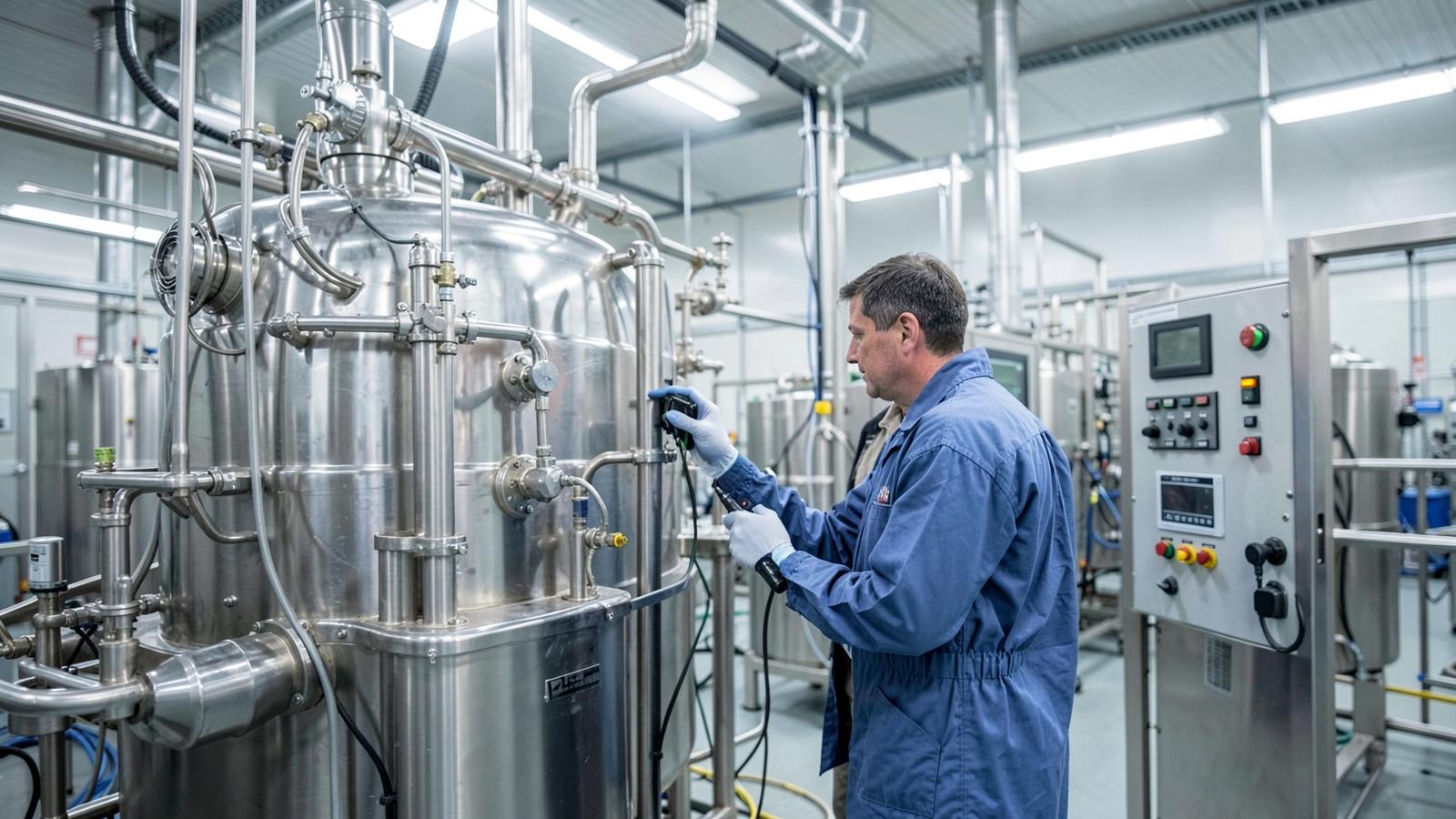
Cost is the other argument driving pharmaceutical interest in precision fermentation, particularly for complex molecules that are currently manufactured through processes involving many synthesis steps, each adding cost, yield loss and quality control complexity. A well optimized fermentation process, once developed, can in some cases produce a target molecule more efficiently and with fewer processing steps than traditional chemical synthesis, particularly for molecules that are naturally biological in origin, such as certain enzymes, hormones and complex carbohydrates used in drug formulation and delivery.
Sustainability considerations, while a secondary factor compared with supply resilience and cost for most pharmaceutical manufacturing decisions, are also playing a role, as fermentation based production processes generally have a smaller environmental footprint than equivalent chemical synthesis routes that rely on petrochemical feedstocks and generate more hazardous waste byproducts. Pharmaceutical companies under increasing pressure from investors and regulators to demonstrate progress on environmental sustainability metrics have an additional incentive to evaluate fermentation based alternatives where they are technically and economically viable.

What this means for biotech manufacturing strategy
For biotech and pharmaceutical companies evaluating their own manufacturing strategy, the maturation of precision fermentation platforms originally built for food applications represents a new category of potential manufacturing partner, one that brings genuine synthetic biology and fermentation process engineering depth even though its commercial track record may be rooted in a different industry. Companies considering these partnerships should evaluate them with the same manufacturing due diligence rigor applied to any new production process, including validation of consistent yield, purity and regulatory compliance at pharmaceutical grade standards, which are considerably more stringent than the quality standards required for food ingredient production.
The companies most likely to succeed in this pivot are those that can demonstrate they have genuinely adapted their quality systems, documentation practices and manufacturing processes to meet pharmaceutical good manufacturing practice standards, rather than simply asserting that a platform proven in food applications will transfer seamlessly to pharmaceutical use. That validation process takes time and capital, and pharmaceutical companies evaluating these newer manufacturing partners should expect a multi-year qualification process before any fermentation derived ingredient becomes a primary rather than backup source in a critical drug supply chain.
Key Signals
Synthetic biology companies that built precision fermentation platforms for food ingredient applications are increasingly redirecting that engineering and manufacturing expertise toward pharmaceutical ingredients and biologics precursors, offering a genuinely new supply chain option for the industry. The primary driver is supply chain resilience, since fermentation based production can in principle be replicated across multiple geographic facilities more readily than complex chemical synthesis processes concentrated in a small number of locations. Cost and sustainability advantages provide secondary but meaningful incentives, particularly for molecules that are naturally biological in origin and require many processing steps under traditional chemical synthesis. Pharmaceutical companies evaluating these newer manufacturing partners should expect a multi-year qualification process to validate pharmaceutical grade quality systems before fermentation derived ingredients can become a primary rather than backup source in critical drug supply chains.