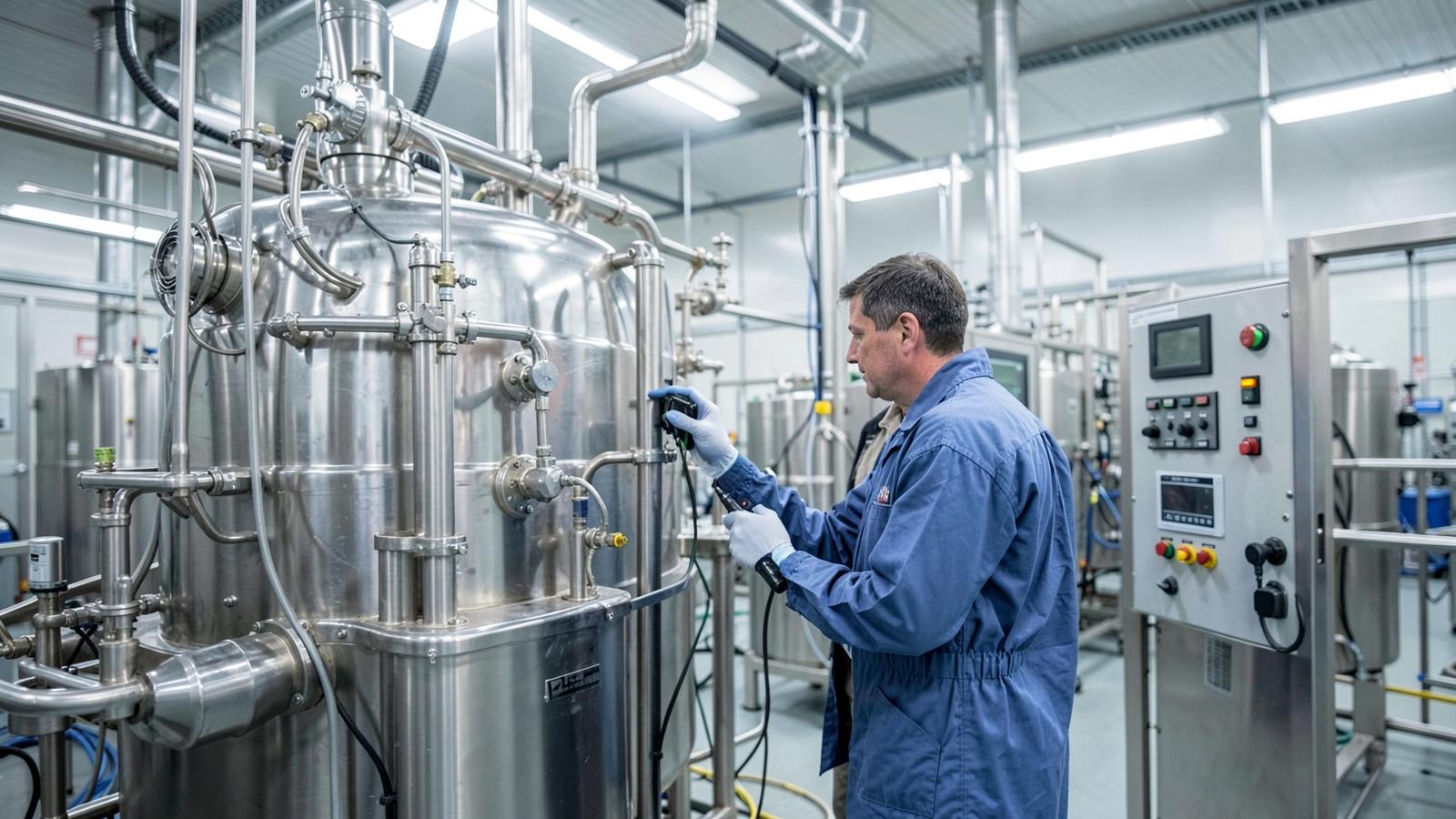
Several contract development and manufacturing organizations have announced new or expanded facilities in recent months, aimed squarely at viral vector production, cell therapy processing and fill finish capacity for advanced therapies. The pattern is consistent enough to be a trend rather than a coincidence: CDMOs across North America, Europe and Asia are placing capital bets that demand for cell and gene therapy manufacturing will grow faster than the industry's current production base can support, even as the number of approved therapies in this class remains relatively small.
The logic behind these investments is straightforward once the pipeline is examined closely. Hundreds of cell and gene therapy candidates are moving through clinical development globally, spanning oncology, rare genetic disease, autoimmune conditions and, increasingly, more prevalent chronic diseases. Each of these programs eventually needs a manufacturing partner capable of producing viral vectors, engineered cells or gene editing components at a quality and scale suitable for clinical trials and, if successful, commercial supply. Historically, that manufacturing capacity has been one of the tightest bottlenecks in the entire field, with wait times for vector production slots stretching many months and sometimes years at the most established facilities.
Why capacity, not science, is now the constraint
For much of the past decade, the cell and gene therapy field was constrained primarily by scientific and regulatory uncertainty: which vectors worked best for which indications, how durable gene edits would prove to be, and what safety profile regulators would accept. Those questions have not disappeared, but a critical mass of approved and late-stage products has shifted the binding constraint toward manufacturing throughput. A biotech with a promising Phase 2 cell therapy candidate today is as likely to be delayed by a lack of available manufacturing slots as by any unresolved scientific question, a reversal that has reshaped how investors underwrite risk in the sector.
This shift explains why CDMO expansion announcements have started to read almost like pipeline announcements in their own right. When a contract manufacturer adds a new suite of bioreactors or a dedicated fill finish line for cell therapy products, it is effectively pre-committing capacity to an anticipated wave of demand from developers who have not yet signed contracts. That is a different kind of bet than the CDMO industry made a decade ago, when capacity additions tended to follow signed, multi-year supply agreements with specific commercial products already in hand.

The economics of building ahead of demand
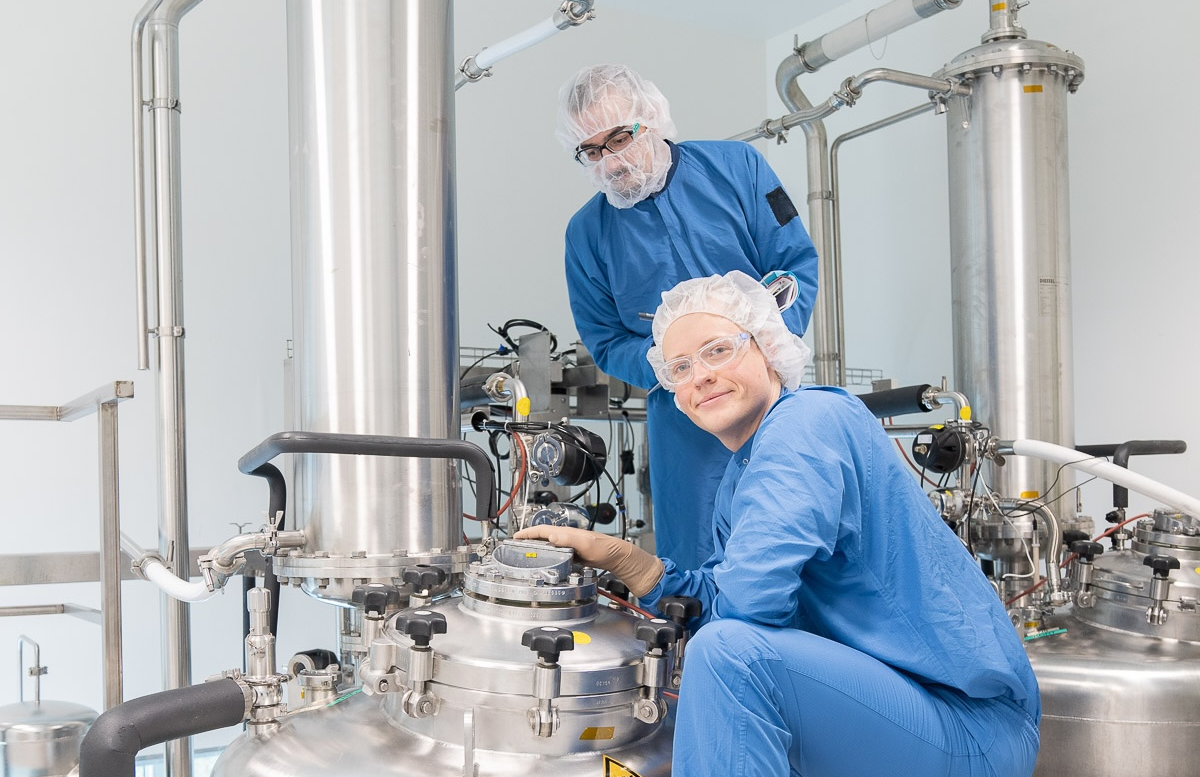
Building manufacturing capacity ahead of confirmed demand is a capital intensive gamble, and it is one that only a subset of CDMOs are positioned to make. Facilities capable of producing viral vectors or engineered cell products under current good manufacturing practice standards require specialized cleanrooms, highly trained staff, and validation processes that can take a year or more before a single commercial batch is produced. CDMOs that get the timing wrong, either building too early and absorbing idle capacity costs, or too late and losing clients to competitors with available slots, face a meaningfully different risk profile than manufacturers in more conventional pharmaceutical categories, where demand forecasting is comparatively predictable.
What is emerging as a differentiator among CDMOs is flexibility of platform design. Facilities built with modular, single use bioreactor systems and standardized process trains can pivot between different client programs and even different modalities with less retooling than fully dedicated facilities. That flexibility matters enormously to smaller biotechs, who often cannot commit to the kind of long term, high volume contracts that would justify a CDMO building a dedicated line solely for their program. A manufacturing base that can serve many mid sized clients efficiently, rather than only the largest, best funded programs, is likely to capture a disproportionate share of the coming wave of demand.
What this means for biotech operators
For clinical stage companies developing cell and gene therapies, the practical implication is that manufacturing partner selection now deserves the kind of strategic attention historically reserved for clinical trial design. Locking in manufacturing capacity early, even before pivotal trial data is in hand, has become a competitive necessity rather than a nice to have, since the lead time to secure a slot at a well regarded CDMO can now exceed the time needed to complete a clinical trial phase. Companies that treat manufacturing as an afterthought risk finding themselves with positive clinical data and no near term path to producing enough product to supply a commercial launch.
Investors evaluating cell and gene therapy companies would do well to ask pointed questions about manufacturing contracts and capacity commitments alongside the usual clinical and regulatory diligence. A promising therapy with no secured manufacturing pathway carries a form of execution risk that is easy to underweight relative to clinical risk, but that has, in practice, delayed or derailed programs just as often as a disappointing trial result.
Key Signals
The binding constraint in cell and gene therapy has shifted from scientific uncertainty toward manufacturing throughput, a change reflected in a wave of CDMO capacity announcements across viral vector and cell processing facilities. CDMOs willing to build modular, flexible capacity ahead of confirmed demand are positioning to capture a disproportionate share of a pipeline that now includes hundreds of clinical stage programs. Biotech companies that secure manufacturing partnerships early, well before pivotal data is available, are reducing a form of execution risk that has proven as consequential as clinical risk in this category. Investors and boards should treat confirmed manufacturing capacity as a due diligence item on par with clinical trial design when evaluating cell and gene therapy companies.