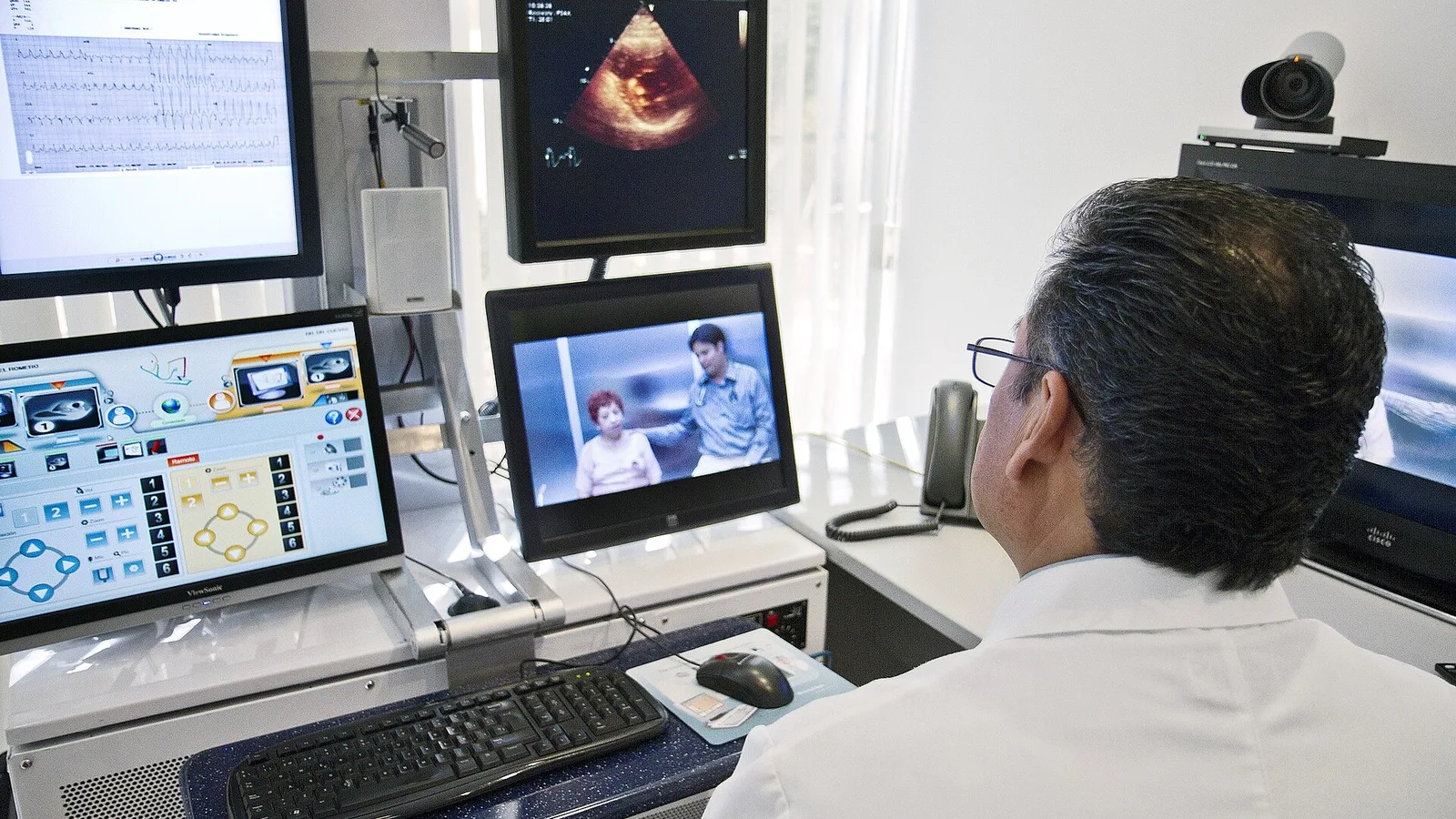

For much of the past decade, decentralized clinical trial elements, remote patient monitoring, at-home sample collection and telehealth study visits, were treated by most biotech sponsors as supplementary features layered onto otherwise conventional trial designs, often added midway through a study to improve retention or accelerate enrollment that had fallen behind schedule. A shift is now visible in how sponsors are approaching trial design from the outset, with a growing share of newly initiated Phase 2 and Phase 3 programs building decentralized elements and adaptive statistical designs into the original protocol rather than retrofitting them later.
The change reflects both accumulated operational experience and a harder look at trial economics. Patient recruitment and retention remain among the most persistent sources of delay and cost overrun in clinical development, and sponsors who have run trials with meaningful decentralized components have generally found that reducing the burden of frequent in person site visits improves enrollment speed and reduces dropout, particularly for trials in chronic disease populations or in geographically dispersed patient groups who do not live near a major academic medical center.
Why adaptive designs are gaining ground
Adaptive trial designs, which allow prespecified modifications to a study, such as adjusting sample size, dropping underperforming treatment arms, or refining the patient population based on accumulating data, have existed in the clinical trial methodology literature for many years, but their practical use has lagged their theoretical appeal because of the statistical and regulatory complexity involved in designing and executing them correctly. Regulators, including the FDA, have issued increasingly detailed guidance over recent years clarifying how sponsors can use adaptive elements without compromising the statistical integrity of a trial, and that clearer guidance has removed one of the larger barriers that previously discouraged sponsors from attempting these designs.
The appeal of adaptive designs is particularly strong for biotech sponsors operating with limited capital, since a well designed adaptive trial can allow a company to make a smaller initial investment in a study, gather interim data, and then make a data driven decision about whether and how to expand the trial, rather than committing the full capital cost of a large trial upfront on the basis of preclinical or early clinical data alone. This staged approach to capital deployment aligns well with the more disciplined financing environment biotech companies are operating within currently, where investors are rewarding capital efficient development plans over large upfront commitments to unproven programs.

Biomarker driven enrollment as a parallel trend
Running alongside the growth of decentralized and adaptive designs is a steady increase in biomarker driven patient selection, where trials enroll only patients whose disease biology, measured through a genetic, molecular or imaging based biomarker, makes them more likely to respond to the specific mechanism being tested. This approach, well established in oncology for over a decade, is increasingly extending into other therapeutic areas including autoimmune disease, neurology and metabolic disease, as diagnostic testing infrastructure has become more accessible and as sponsors have accumulated evidence that biomarker enriched trial populations produce cleaner, more interpretable efficacy signals with smaller patient numbers than unselected populations.
The combination of biomarker driven enrollment and decentralized data collection creates practical logistics challenges that are themselves driving a wave of specialized vendor activity, including companies that provide at-home biomarker sample collection kits, mobile phlebotomy services, and centralized laboratory networks capable of processing samples collected outside traditional clinical trial sites at the speed and quality required for research use. Sponsors evaluating these designs need to build vendor relationships and logistics planning into their protocol development process far earlier than has traditionally been the case, since decentralized biomarker collection at scale requires infrastructure that a conventional site based trial does not.

What this means for trial timelines and cost
The evidence so far suggests that trials incorporating decentralized and adaptive elements from the outset are completing enrollment measurably faster than comparable conventional trials, though the magnitude of the improvement varies considerably by therapeutic area and patient population. For biotech companies and their investors, faster enrollment translates directly into capital efficiency, since trial duration is one of the largest drivers of overall program cost, and shaving months off an enrollment timeline can meaningfully improve a program's overall return profile even without changing the underlying clinical outcome.
Sponsors should be cautious, however, about treating decentralized and adaptive design elements as a costless upgrade to trial execution. Both approaches require more sophisticated upfront statistical planning, more complex regulatory interactions, and in the case of decentralized elements, a logistics and technology infrastructure that many smaller biotechs do not have in house and must build through vendor partnerships. Companies that underinvest in this planning phase risk introducing new operational failure points even as they solve the recruitment and retention problems these designs are meant to address.
Key Signals
A growing share of newly initiated biotech trials are building decentralized monitoring and adaptive statistical designs into their original protocols, rather than adding them midway through a study as has historically been more common. Clearer regulatory guidance on adaptive trial methodology has removed a significant barrier that previously discouraged sponsors from using designs that allow data driven modifications to sample size or patient population. Biomarker driven enrollment is extending well beyond oncology into autoimmune, neurological and metabolic disease trials, producing cleaner efficacy signals with smaller patient populations but requiring more sophisticated diagnostic and logistics infrastructure. Sponsors adopting these approaches should budget for more complex upfront statistical and regulatory planning, since the recruitment and cost benefits of decentralized and adaptive designs depend on execution quality rather than the design choice alone.