Biosimilars, the biologically derived near copies of complex branded drugs that lose patent protection, have been available in the United States for close to a decade, but for most of that period their uptake lagged well behind both regulatory expectations and the cost savings track record established in European markets, where biosimilar adoption has generally moved faster and further. That gap has started to close meaningfully over the past two years, and the reasons behind the shift are more structural than political, tied to changes in how pharmacy benefit managers design formularies and to genuine improvements in manufacturing scale and cost among biosimilar producers.
The early years of the American biosimilar market were shaped by a set of structural obstacles that limited uptake regardless of how clinically comparable a given biosimilar was to its reference product. Rebate structures common in pharmacy benefit management meant that, in some cases, a health plan's net cost for a branded biologic after manufacturer rebates was actually lower than the list price of an available biosimilar, creating a perverse incentive that favored the more expensive branded product on a formulary. Physician and patient familiarity with established brand names, combined with genuine but often overstated clinical concerns about switching a stable patient to a biosimilar, added further friction that slowed adoption even in drug classes where biosimilars had been available for years.
What changed on the payer side
Pharmacy benefit managers and health plans have increasingly restructured formulary design over the past two years to favor biosimilars more directly, in some cases moving the lowest cost biosimilar to preferred formulary tiers ahead of the branded reference product, a shift that removes the rebate driven incentive misalignment that previously undercut biosimilar uptake. This has been particularly visible in the oncology and immunology biosimilar categories, where multiple competing biosimilars for major branded biologics have now been on the market long enough to establish a track record, giving payers more confidence in steering utilization toward them at scale.
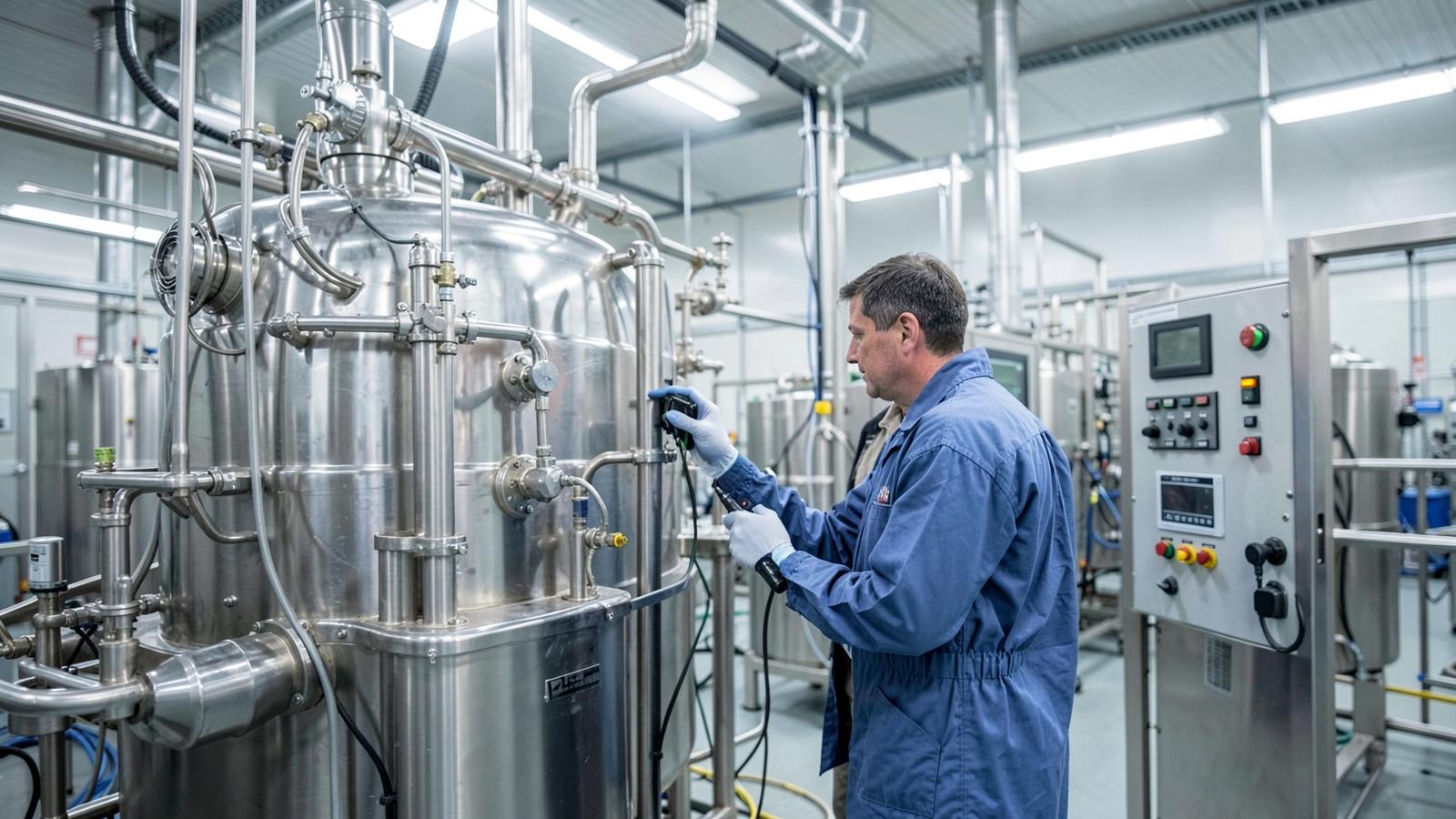
Manufacturing economics have also improved meaningfully as biosimilar producers have gained experience and scale. Producing a biosimilar requires the same complex cell culture based manufacturing processes as the original branded biologic, and the initial wave of biosimilar manufacturers faced a steep learning curve building that capability from scratch, a cost burden that limited how aggressively they could price their products relative to the branded originator. As biosimilar manufacturers have built manufacturing experience and, in many cases, dedicated facility capacity specifically for biosimilar production, per unit manufacturing costs have fallen, allowing for more aggressive pricing that has, in turn, accelerated adoption.

The clinical evidence base has also matured
Alongside the structural payer and manufacturing changes, the clinical evidence base supporting biosimilar interchangeability has grown substantially, with several years of real world outcomes data now available across multiple therapeutic areas showing comparable safety and efficacy between biosimilars and their reference products at a population scale. That accumulated real world experience has done more to reassure prescribing physicians than the original regulatory approval studies alone were able to, since practicing clinicians tend to weight their own and their colleagues' practical experience with a drug class heavily when deciding whether to switch a stable patient to a lower cost alternative.
This maturing evidence base has also supported a growing number of interchangeability designations from regulators, which in the United States allows pharmacists in many states to substitute a biosimilar for its reference product without requiring a new prescription from the physician, similar to how small molecule generic substitution has long worked. Interchangeability designations remove one of the last remaining points of prescribing friction, and their growing prevalence across additional drug classes is likely to be one of the more important, if less visible, drivers of continued biosimilar uptake growth over the next several years.

What this means for biotech innovators and payers
For originator biopharmaceutical companies, the maturing biosimilar market is a structural reality to plan around rather than a battle to be won through pricing or legal strategy alone. Companies with biologics approaching patent expiration are increasingly planning for a faster and steeper revenue decline post loss of exclusivity than the historical pattern in the American market would have predicted a decade ago, and building their commercial and pipeline strategies accordingly, often by accelerating development of next generation formulations or combination products that can offer genuine clinical differentiation beyond the original molecule.
For health systems and payers, the accelerating biosimilar market represents one of the more reliable near term levers for managing overall biologic drug spend, which has grown to represent a substantial and rising share of total pharmacy budgets across commercial and government payers alike. Organizations that have not yet revisited their formulary design and physician education strategies around biosimilar categories with multiple competing products available are likely leaving meaningful savings on the table relative to peers who have already made these structural changes.
Key Signals
Biosimilar market share has grown meaningfully over the past two years, driven less by new regulatory milestones than by structural changes in pharmacy benefit formulary design that removed rebate driven incentives favoring costlier branded biologics. Manufacturing scale and experience gains among biosimilar producers have lowered per unit production costs, enabling more competitive pricing that has further accelerated adoption. A maturing real world evidence base, built over years of population scale use, has done more to reassure prescribing physicians of biosimilar equivalence than original approval trial data alone. Originator biopharmaceutical companies are increasingly planning for faster post exclusivity revenue decline, while payers who have not yet restructured biosimilar focused formulary strategy are likely leaving meaningful savings unrealized.