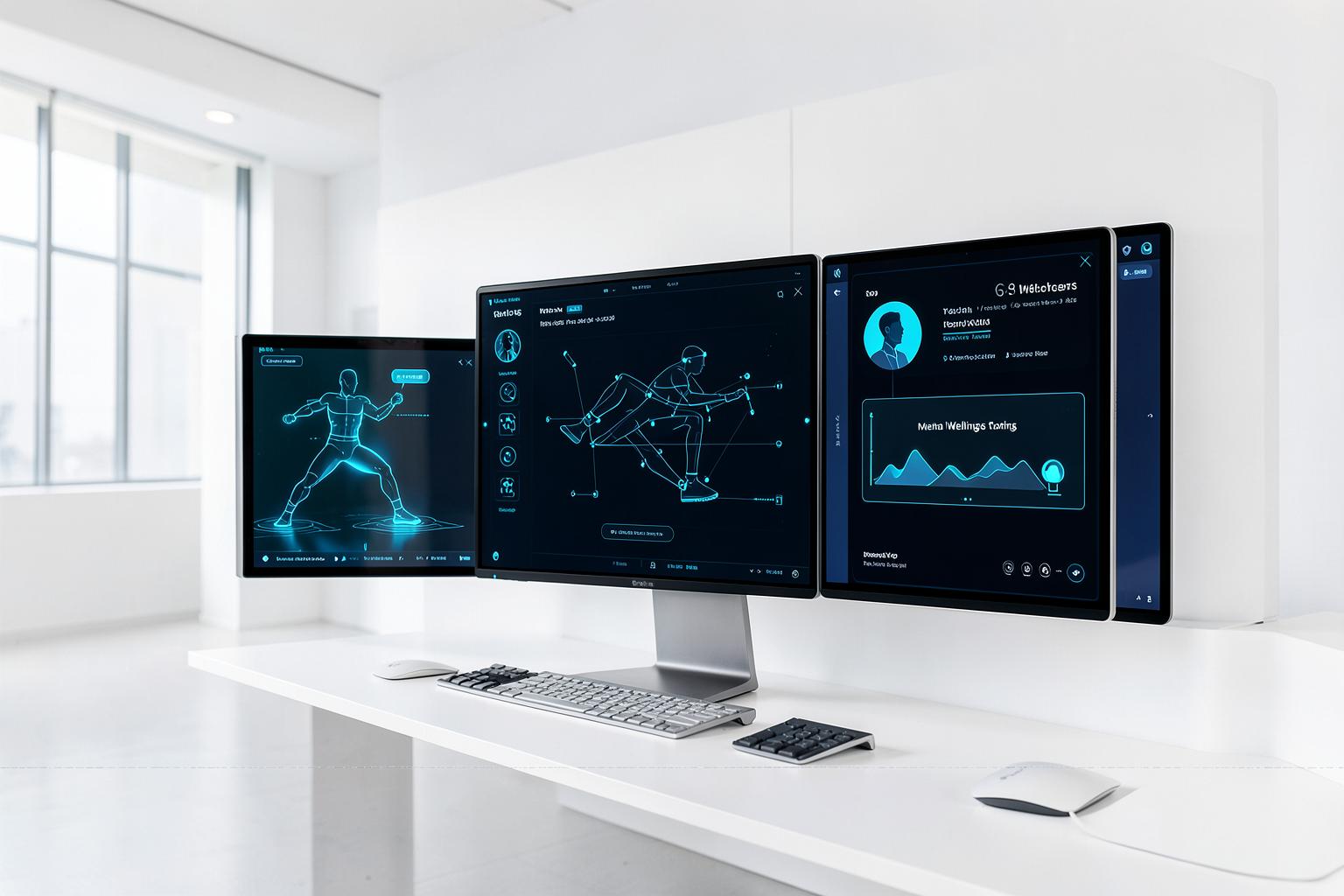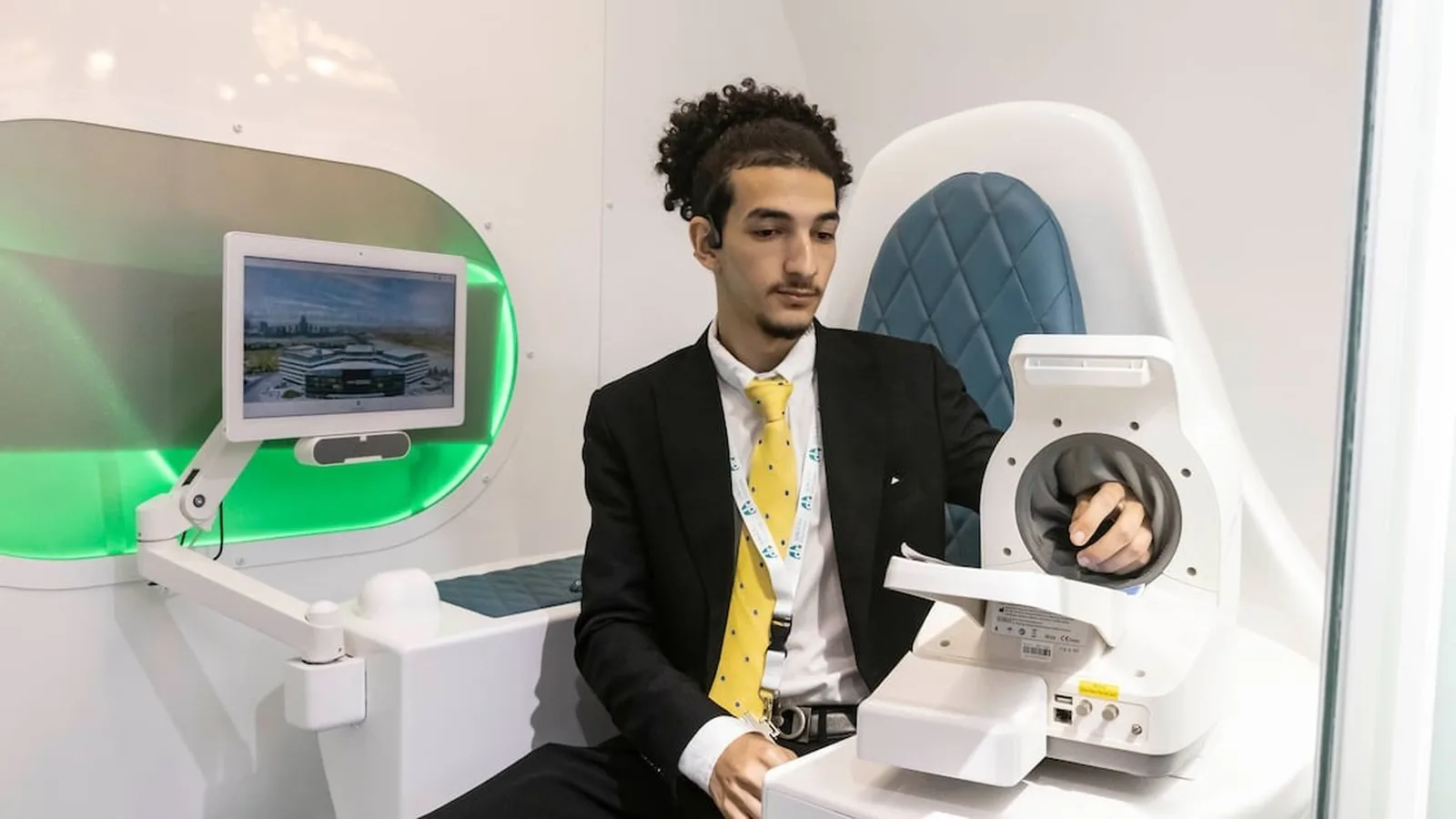

While regulators and ethicists continue to debate the safety of AI systems that talk directly with patients about their mental health, a much less contested category of AI tool has been quietly spreading through behavioral health practices: ambient documentation assistants that listen to a session and produce a draft clinical note afterward. The adoption gap between these two categories has become one of the clearer trends in behavioral health technology so far this year.
The logic is straightforward. A documentation tool sits behind the clinician rather than in front of the patient. It does not make a clinical decision, does not respond to what a patient says, and does not carry the same risk profile as a conversational AI system that might need to recognize and respond appropriately to a disclosure of crisis. It simply transcribes and summarizes a conversation that already happened between two humans, producing a structured note that a clinician reviews, edits and signs before it becomes part of the medical record.
Why documentation burden hits behavioral health especially hard
Clinical documentation has long been cited as one of the leading contributors to burnout among mental health clinicians, a workforce already stretched thin relative to demand. Unlike a medical visit that might be documented largely through structured fields, vital signs and coded diagnoses, a therapy or psychiatric session typically requires substantial narrative documentation capturing mental status, risk assessment, treatment progress and plan, often taking as long to write as the session itself took to conduct. Clinicians frequently describe spending evenings and weekends catching up on notes for patients seen during the day, a pattern that compounds workforce shortages by pushing experienced clinicians toward part time schedules or out of clinical practice altogether.
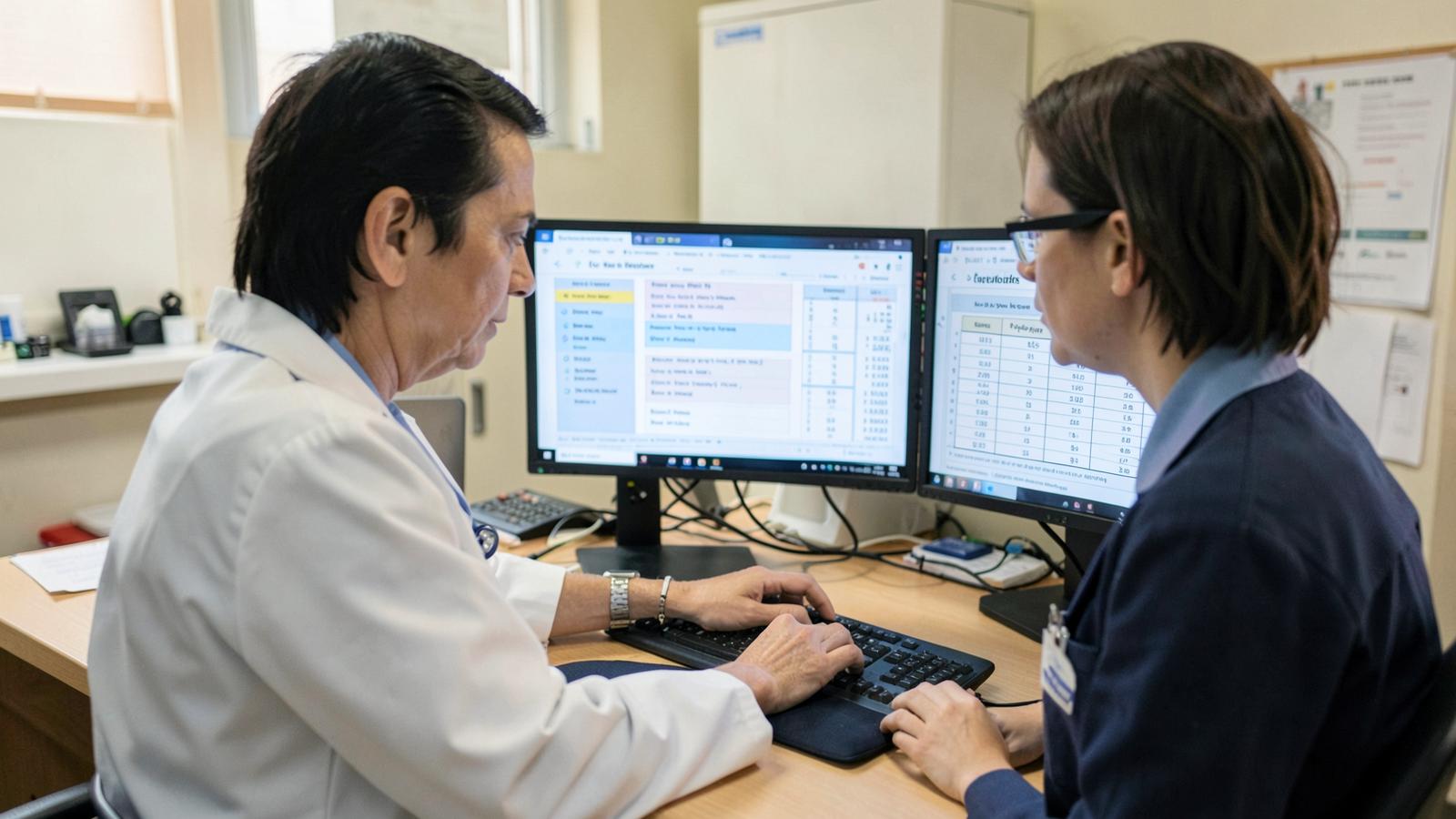
Ambient documentation tools promise to compress that burden significantly, and early adopters report notes that require editing rather than composing from scratch, a meaningfully different cognitive task that clinicians describe as far less draining. Because the tool's output is reviewed and finalized by a licensed clinician before it enters the record, it sidesteps much of the regulatory ambiguity facing AI tools that interact with patients directly, and it has correspondingly moved through practice adoption with far less friction.

From documentation to triage, carefully
Some vendors are extending these tools cautiously into adjacent workflow tasks, such as flagging when a session's content suggests a risk indicator that should be reviewed by a supervisor, or surfacing when a patient's reported symptoms have shifted in a way that might warrant a measurement based check in. These extensions sit closer to clinical decision support than pure documentation, and vendors moving in this direction are generally doing so incrementally, keeping a human reviewer firmly in the loop rather than allowing the system to act autonomously on what it detects.
This incremental approach reflects a broader pattern across behavioral health technology this year: the categories advancing fastest are the ones where AI augments a licensed clinician's existing judgment rather than substituting for it. Group and community mental health providers, who often operate with the thinnest administrative support, have been particularly receptive, since documentation tools free up clinician time that can be redirected toward direct client contact rather than administrative catch up.
What is still unresolved
The open questions in this category are less about safety than about accuracy and equity. Ambient transcription tools can struggle with accents, regional dialects, and multi speaker sessions such as family or group therapy, and errors in a clinical note carry real consequences if they go uncorrected. Vendors serving diverse patient populations are under growing pressure to demonstrate that transcription accuracy holds up across the full range of speech patterns their clinicians and clients bring to a session, not just in the population the underlying speech model was originally trained on.
Key Signals
Ambient AI documentation tools are being adopted across behavioral health practices considerably faster than AI systems that interact directly with patients, largely because they sit behind the clinician rather than facing the patient and carry a correspondingly lower regulatory and safety profile. The tools are addressing a genuine and well documented driver of clinician burnout, converting note writing from a composition task into an editing task. Vendors are extending cautiously into light touch clinical decision support, such as risk flagging, but are keeping licensed clinicians as the decision maker rather than automating any part of clinical judgment. The unresolved challenge is transcription accuracy across diverse speech patterns and multi speaker sessions, a technical limitation that has real clinical consequences if errors go uncaught in the final record.