Listen instead
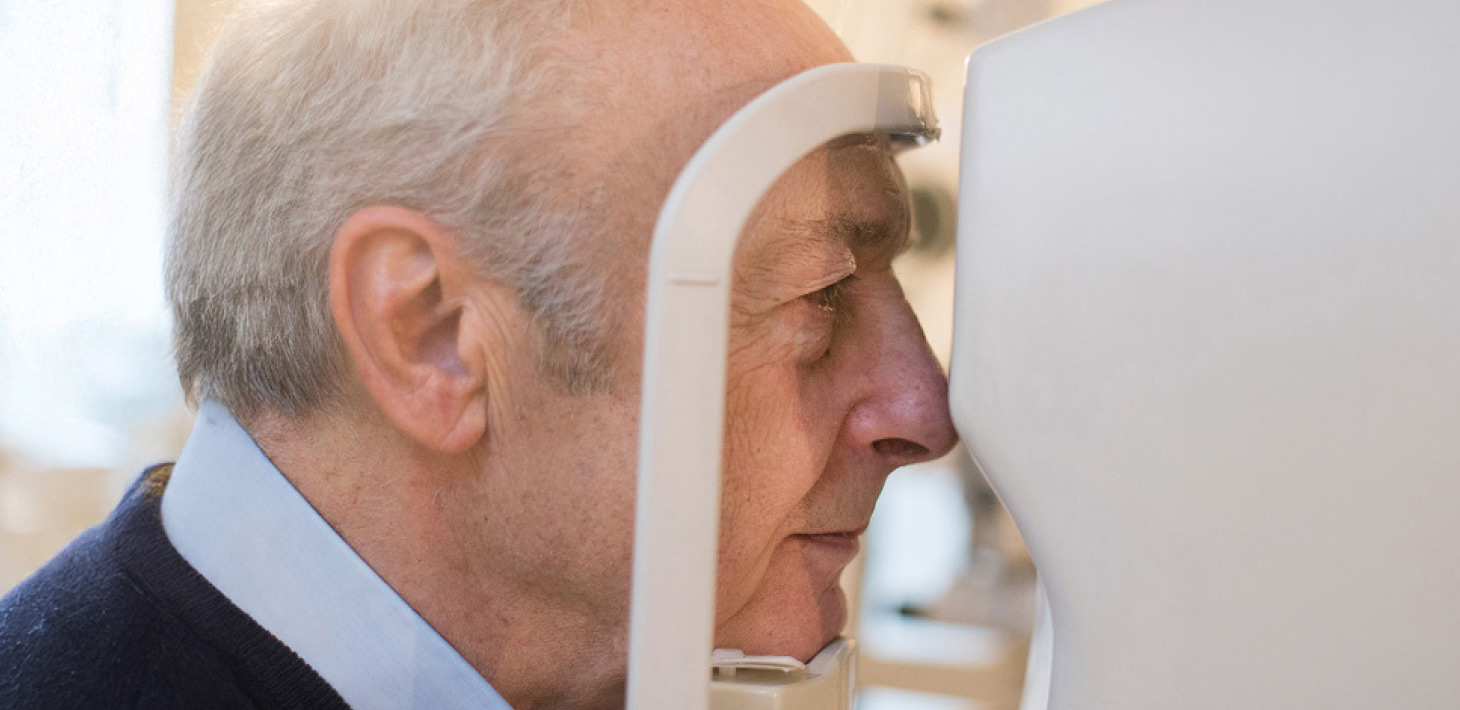
SEOUL. Across U.S. primary care, people with diabetes sit in front of a retinal camera a nurse or technician can photograph the back of their eyes. The images are checked for diabetic retinopathy, and then, in most clinics, they are filed away. On November 27, Mediwhale said the FDA had cleared software that can read something else in the same picture: an estimate of that person's 10-year risk of a first heart attack or stroke.
The product is called Dr. Noon CVD. It combines AI analysis of retinal photographs with a person's age and sex and sorts them into one of three risk categories. It does not diagnose heart disease. It gives a primary care clinician one more input when deciding who needs a statin, a coronary calcium scan or a closer look at blood pressure and lipids.
> The retina is the only place in the body where a camera can look straight at small blood vessels without a needle, a scan or radiation. Mediwhale is betting that primary care will pay to use that view twice.
This week the pattern has been hard to miss. On Wednesday we covered [DeepHealth's FDA clearance for a model that predicts five-year breast cancer risk from a 3D mammogram](https://thehealthtechsignal.com/article/breast-cancer-risk-ai-3d-mammograms-deephealth-mammo-risk). On Friday we listed [Remidio's Systemic Health AI](https://thehealthtechsignal.com/tools/remidio-systemic-health-ai), which flags heart and kidney risk indicators from a retinal photo. Earlier in the week we looked at [Lunit and M42 using AI to find lung cancer on chest X-rays that were taken for other reasons](https://thehealthtechsignal.com/article/lung-cancer-ai-existing-chest-xrays-lunit-m42). The trend is the same each time: AI is being asked to extract a second, preventive answer from images that health systems already pay to acquire.
Source: Mediwhale

