Listen instead
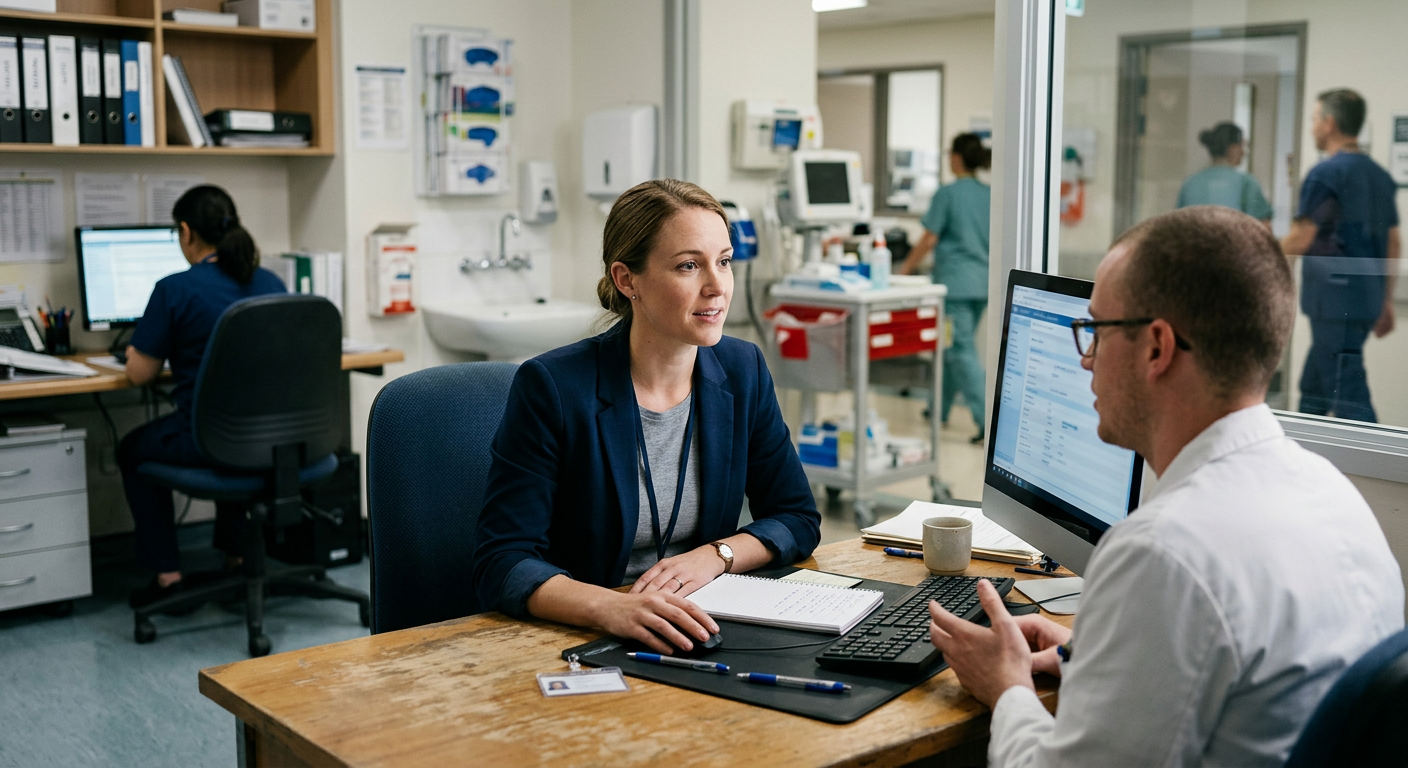
At the University of Arkansas for Medical Sciences, perioperative nurses have historically spent significant portions of their shifts dialing patient phone numbers, repeating complex preparation instructions, and tracking down confirmations. If a single patient arrives unprepared for a scheduled procedure, the clinical and financial consequences are immediate. An idle operating suite disrupts clinical schedules, idles clinical teams, and delays care for other patients. To address these operational bottlenecks, Luma Health introduced Agent Launchpad, an orchestration platform designed to deploy and run conversational artificial intelligence agents across complex, multi-step patient workflows.
The initial deployment focuses specifically on the critical windows immediately preceding and following medical procedures. By automating patient outreach through the communication channels and protocols defined by each health system, the platform aims to reduce the manual phone coordination that frequently burdens clinical coordinators.
Quantifiable Gains in Early Deployments
Early clinical data from initial deployments indicates that this automated approach can successfully engage patients outside the clinic walls. At the University of Arkansas for Medical Sciences and Mile Bluff Medical Center, the system was utilized to manage preparation workflows for patients undergoing colonoscopies. The deployments yielded an average patient response rate of 95 percent, with 70 percent of patients responding within the first day of receiving automated outreach.
For clinical staff, the operational impact was immediate. Perioperative nurses saved an average of more than 20 minutes of manual coordination time per patient. At Mile Bluff Medical Center, the automation proved thorough enough that 50 percent of the patients were fully prepared for their procedures with zero phone calls from hospital staff. Paige Anderson, Assistant Clinical Service Manager at the University of Arkansas for Medical Sciences, and Tamara Coughlin, Director of Surgery at Mile Bluff Medical Center, observed these early outcomes during the initial implementation phase.
Supporting Multi-Specialty Protocols

As of late 2024, the platform features templates designed for several clinical scenarios. In addition to colonoscopy preparation and follow-up, the system provides pre-configured workflows for knee replacements, cataract surgeries, bariatric surgeries, endoscopies, and pain management guidance.
These AI agents are designed to act as a supportive layer for clinical staff rather than a complete replacement for human judgment. They can answer routine patient inquiries, verify whether a patient has completed necessary preparatory steps, and monitor overall readiness. When a patient asks a complex clinical question or experiences an unexpected symptom, the agent automatically transitions the conversation to a staff member. This handoff includes the full context of the digital conversation, allowing nurses to intervene immediately without forcing the patient to repeat their concerns to multiple departments.
Operational Expansion and Future Outlook
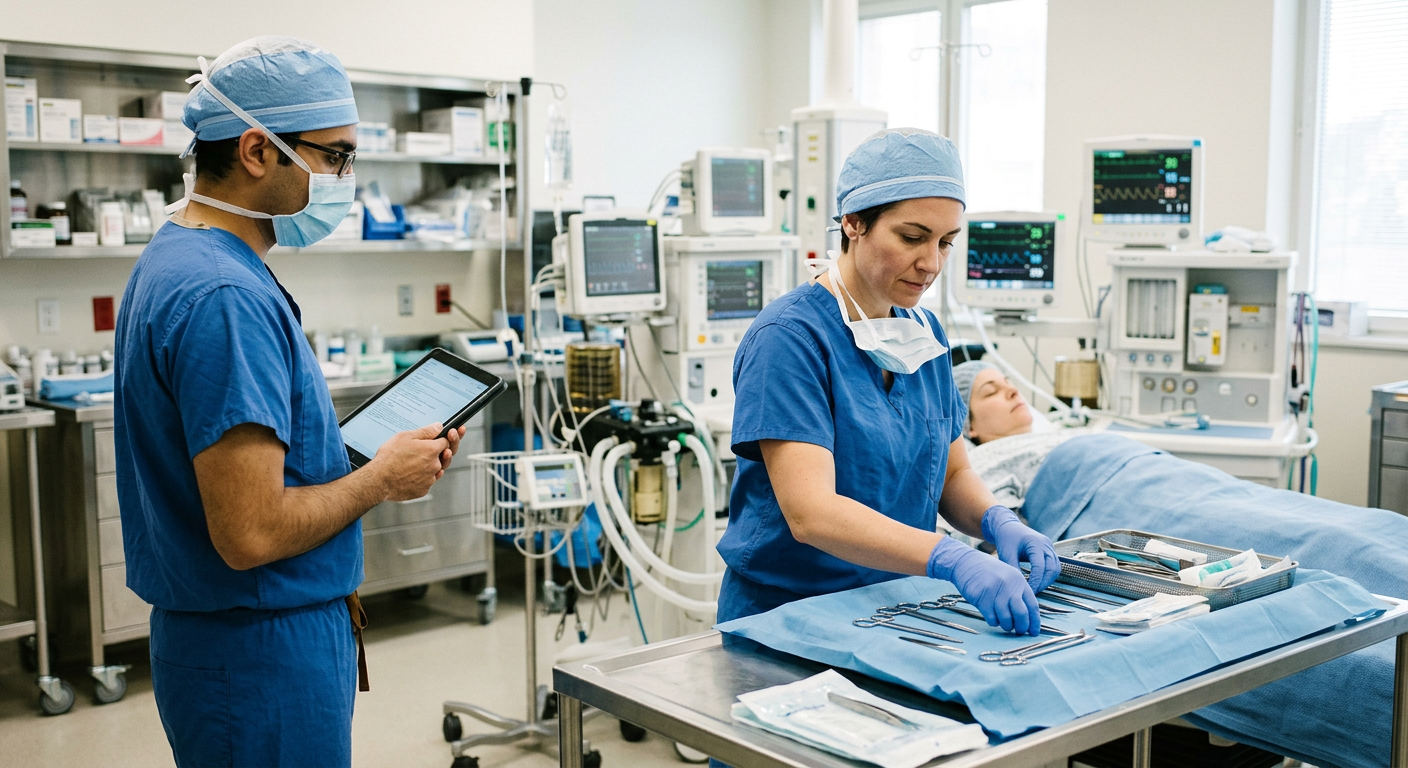
Luma Health, which was co-founded by Chief Executive Officer Adnan Iqbal, President Aditya Bansod, and Chief Medical Officer Tashfeen Ekram, MD, is positioning the platform as a foundational layer for hospital operations. By reducing the administrative friction associated with pre-operative care, health systems can potentially increase their overall procedure throughput without requiring additional administrative staffing.
The company has scheduled an update to expand the capabilities of the platform. This upcoming release will enable the AI agents to process incoming procedure referrals directly, manage the scheduling process, and automatically enroll the patient in the corresponding preparation outreach sequence. The primary test for this technology moving forward will be to determine whether these high response and preparation rates remain consistent as health systems expand deployment from colonoscopies into more complex, higher-stakes surgical specialties where prep compliance is even more critical.
Source: The HealthTech Signal




