Listen instead
Inside a standard pharmaceutical cleanroom, a technician dressed in a sterile suit, goggles, and double gloves carefully transfers liquid from a vial into a cell culture bag. Every movement is deliberate, regulated by strict protocols designed to prevent contamination. The environment must remain perfectly sterile, as the introduction of a single microscopic contaminant can ruin a personalized cancer therapy batch that takes weeks to cultivate. This manual process resembles high-stakes artisanal crafting rather than modern industrial manufacturing, with production costs often exceeding $300,000 per dose under conventional methods. Multiply Labs, a robotics developer, aims to address this operational bottleneck by replacing human hands with mechanical precision inside existing cleanroom facilities. The company's standardized robotic pods execute sterile liquid handling, viral vector transduction, and cell culture, operating entirely within sealed, sterile environments to mitigate human contamination risk.
Automated manufacturing in the cleanroom
Multiply Labs has secured $75 million in Series B funding to scale its automated manufacturing platform. The investment round was led by Dr. Patrick Soon-Shiong and NantWorks, with participation from AstraZeneca, Lingotto, Teradyne, Casdin Capital, and Lux Capital. According to the company, this latest round brings its total equity funding past $100 million, providing the capital needed to expand the deployment of its industrial robotic clusters.
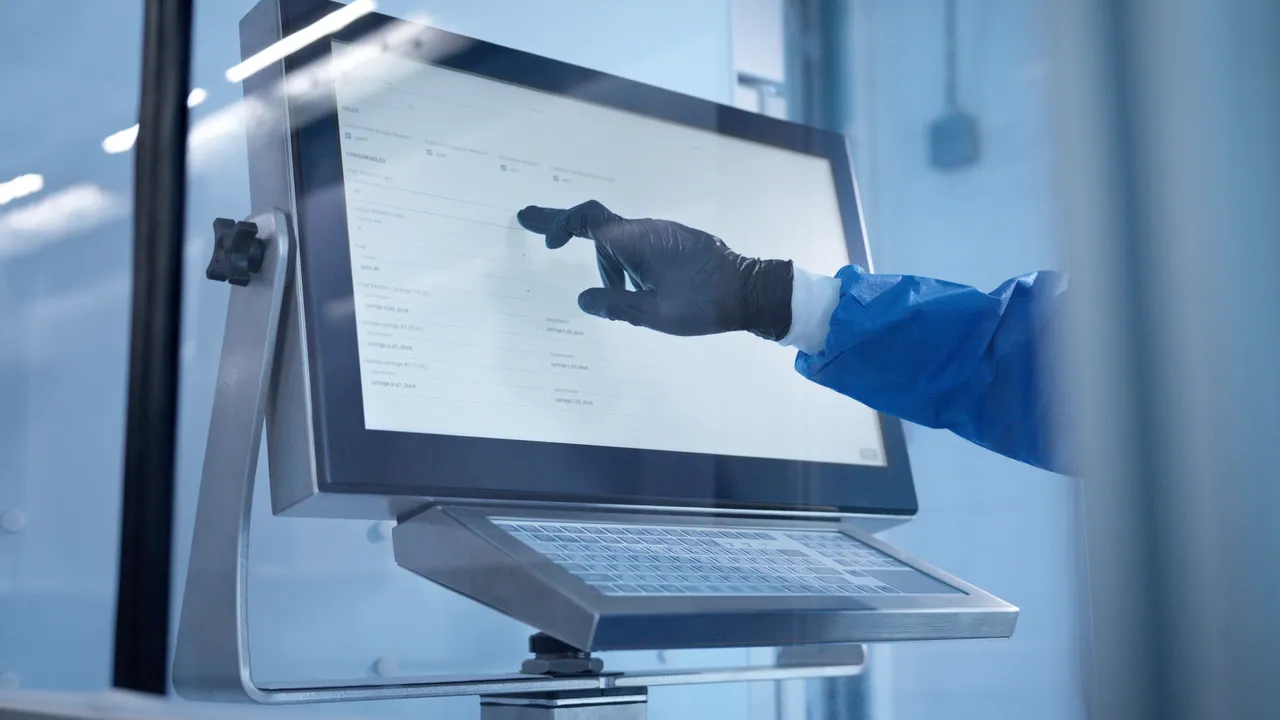
These robotic clusters are designed to fit directly into the existing cleanroom infrastructure of pharmaceutical companies, avoiding the need for expensive facility redesigns or the construction of entirely new factories. Rather than requiring manufacturers to overhaul their physical footprint, the standardized robotic pods automate the critical, repetitive steps of cell and gene therapy manufacturing. The robots are programmed to handle liquid management, viral vector transduction, and cell culture for both CAR-T and mRNA therapies. Operating entirely within sealed, sterile environments, the platform minimizes human intervention, which has long been identified as the primary source of contamination and variability in advanced therapeutics. By deploying robots that can interface directly with standard industry instruments, the company allows manufacturers to preserve their existing, validated processes while automating the physical manipulation of samples.
The economics of robotic scaling
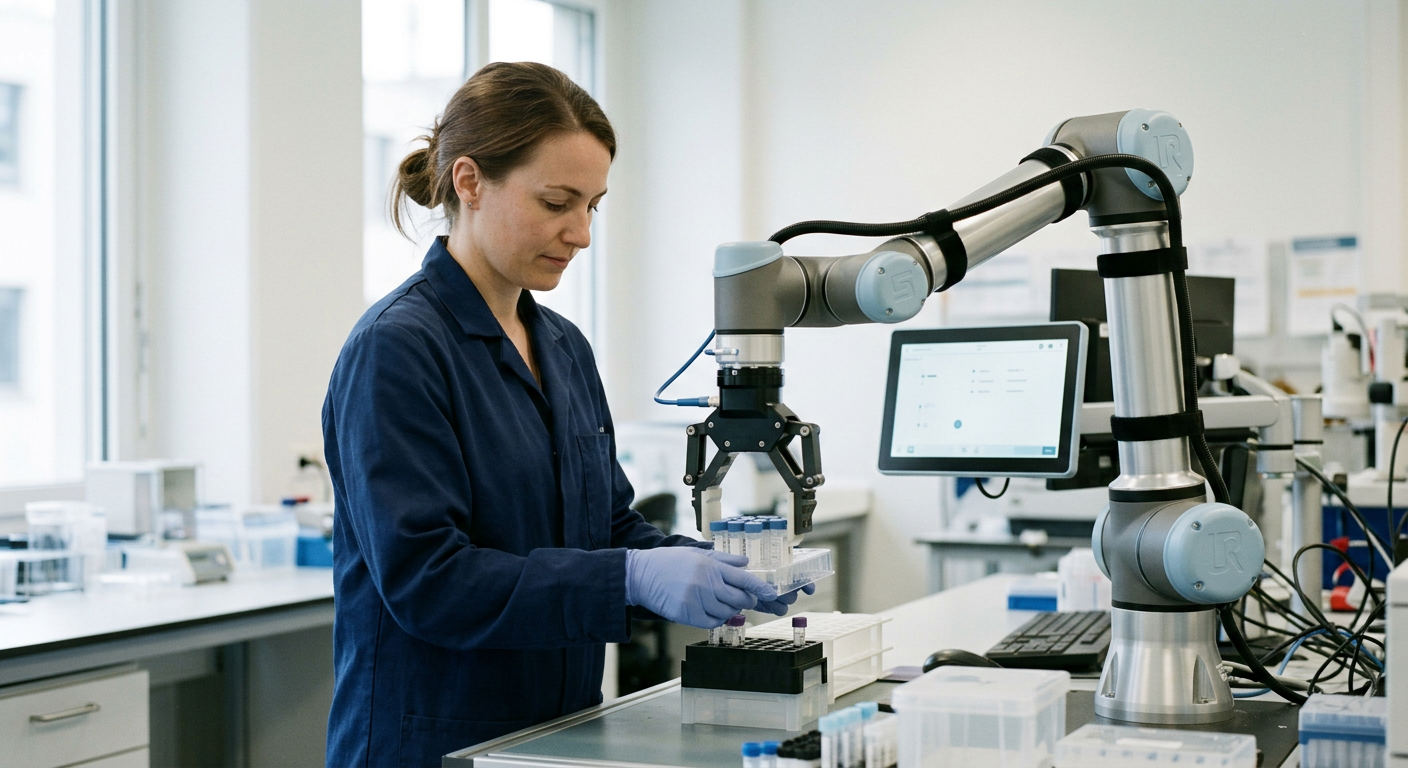
The deployment of robotic clusters addresses the most severe operational constraint in advanced therapeutics: the manual cleanroom technician bottleneck. Training and retaining specialized technicians to work in sterile environments is a slow, expensive, and logistically complex process. Technicians must undergo rigorous certification processes, and the physical demands of working inside full-body sterile suits limit the hours they can spend performing delicate tasks. By replacing these manual steps with automated systems, Multiply Labs projects a reduction in cost-per-dose of up to 74 percent, though actual savings will depend on the scale of deployment and specific therapeutic protocols.
In addition to lowering unit costs, the robotic clusters are designed to expand manufacturing capacity. The company claims the system can achieve a substantial increase in throughput within the same cleanroom footprint, allowing manufacturers to produce more therapies without expanding their physical facilities. This capability is attracting attention from major industry players. Global pharmaceutical companies, including AstraZeneca and Legend Biotech, are working to deploy Multiply Labs' robotic clusters to manufacture commercial cell therapy batches. This commercial adoption indicates that the technology is progressing beyond experimental pilots and is being evaluated for the production of therapies for human patients under strict regulatory standards. If these deployments succeed, they could establish a new standard for regulatory compliance in automated cell therapy production.
The operational bottleneck in advanced therapeutics
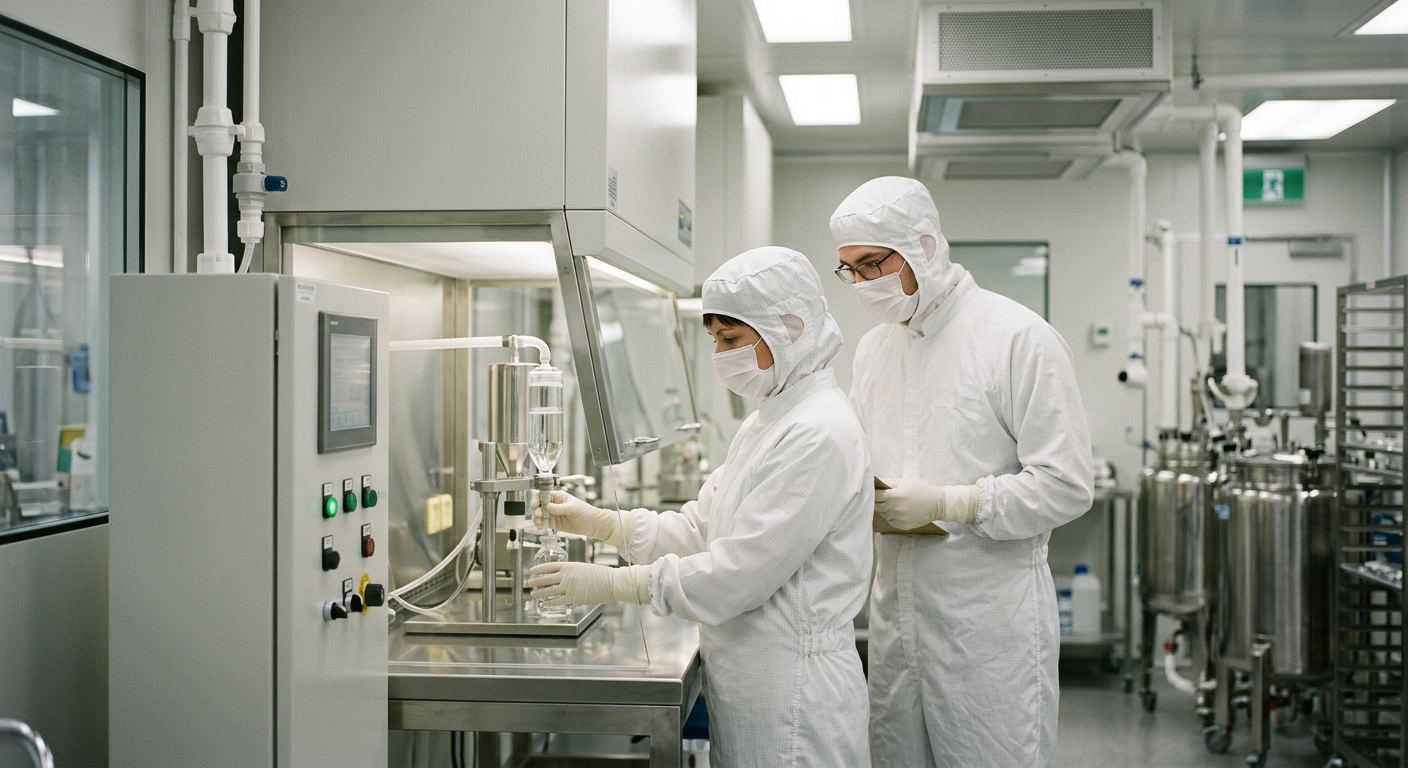
The commercial bottleneck for curative CAR-T therapies and personalized cancer vaccines has fundamentally shifted from biological discovery to manufacturing logistics. The medical community has successfully developed methods to engineer cells to target specific cancers, but the industry lacks the infrastructure to produce these therapies at scale. Currently, skilled cleanroom labor is scarce, and manual manufacturing processes keep production costs high. These elevated expenses limit patient access and strain healthcare budgets, preventing these therapies from becoming first-line treatments.
Robotic automation is designed to convert cell therapy from a manual, laboratory-bound process into a scalable industrial product. By lowering manufacturing costs, automation can make these complex therapies more affordable for health systems. Ultimately, this cost reduction is expected to help secure broader reimbursement from insurance providers and national health systems, allowing advanced treatments to reach a larger population of patients who currently lack access due to financial or logistically constrained production.
This focus on operational efficiency reflects a broader trend across the healthcare sector, where the challenge of delivering advanced care is increasingly met with technological and logistical solutions. As clinical capabilities expand, the industry is turning to automated workflows to solve the logistical challenges of delivery, quality control, and production consistency. For pharmaceutical executives, the decision to automate is no longer just about cutting costs; it is about ensuring the reliability and scalability of the supply chain for therapies that represent the future of oncology and personalized medicine.
Source: The HealthTech Signal