Listen instead
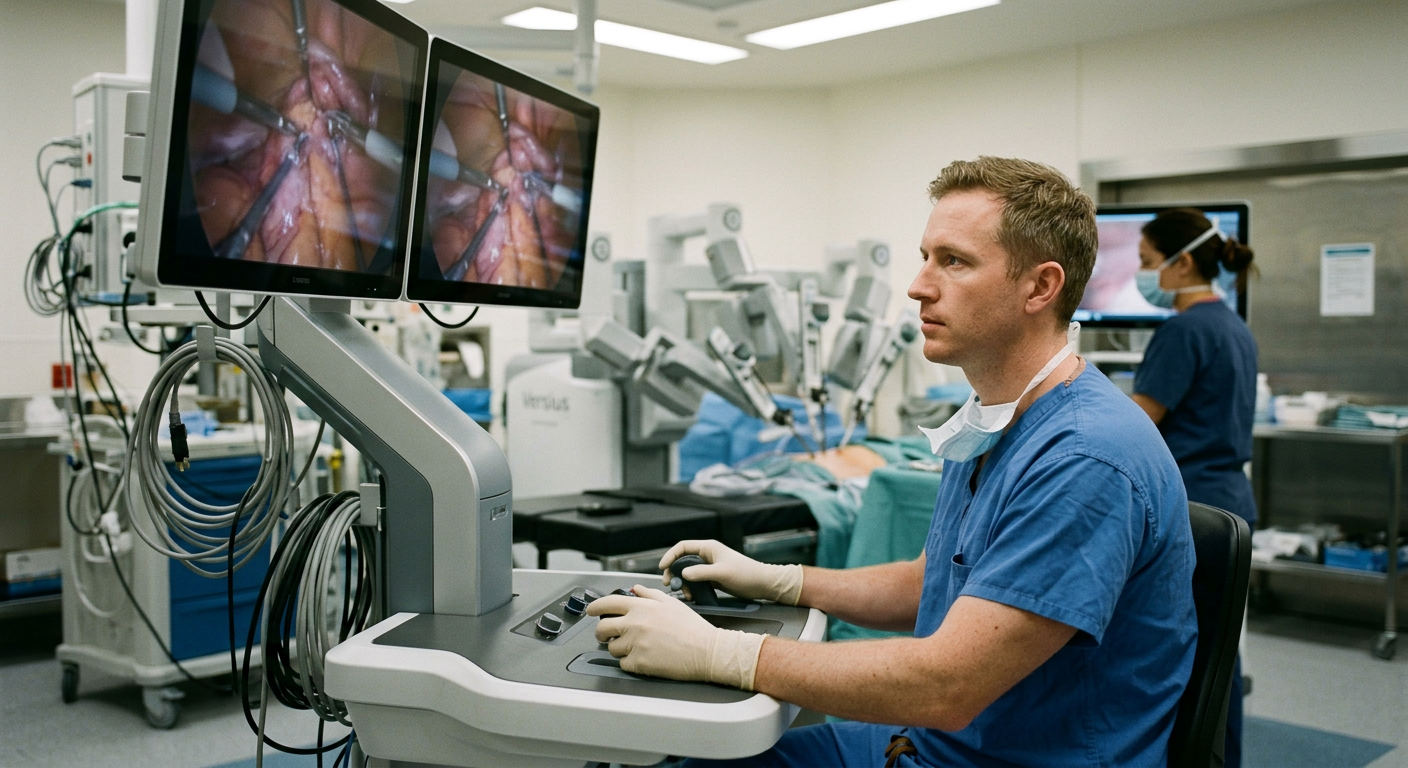
A thoracic surgeon at Argenteuil Hospital in France positions individual bedside-mounted robotic arms around an operating table, adjusting each joint to prepare for a minimally invasive procedure. This modular configuration contrasts with the large, single-unit robotic carts that have populated operating suites for more than two decades. The system, known as Versius and developed by United Kingdom-based CMR Surgical, is now the focal point of a commercial expansion into the United States market through an agreement with medical technology provider Stryker.
The agreement establishes Stryker as a distributor of the Versius system in the United States, supported by a strategic investment. By securing these rights, Stryker enters the multi-port soft-tissue robotic surgery market, a segment where it previously lacked a dedicated platform. The transaction provides Stryker with an entry point into general surgery, gynecology, and thoracic procedures, expanding its footprint beyond its established orthopedic robotics portfolio.
The Orthopedic Giant Crosses Over
Stryker has long maintained a strong position in orthopedic robotics through its Mako system, which is widely used for total knee, partial knee, and total hip replacements. The Mako system, however, is designed specifically for bone resection and orthopedic procedures. It does not address abdominal, thoracic, or pelvic soft-tissue surgeries. For years, this left Stryker on the sidelines of the broader multi-port soft-tissue market, which has been led by Intuitive Surgical and chased by Medtronic.
By partnering with CMR Surgical, Stryker bypasses the lengthy and capital-intensive process of developing a soft-tissue robotic platform from the ground up. Designing, testing, and securing regulatory clearance for a multi-port robotic system typically requires years of engineering iterations and extensive clinical trials. Through this distribution agreement, Stryker acquires immediate access to an established technology that already holds regulatory clearances in multiple international markets and is undergoing active deployment.
The commercialization strategy relies on Stryker's existing sales infrastructure. The company plans to leverage its established surgical and orthopedic sales forces to distribute the Versius system to hospitals and ambulatory surgery centers across the United States. These sales representatives already maintain direct relationships with hospital procurement departments, supply chain managers, and surgical department heads. This existing network allows Stryker to introduce the new platform without building a specialized sales division from scratch, potentially accelerating market adoption.
Modular Architecture versus Monolithic Design
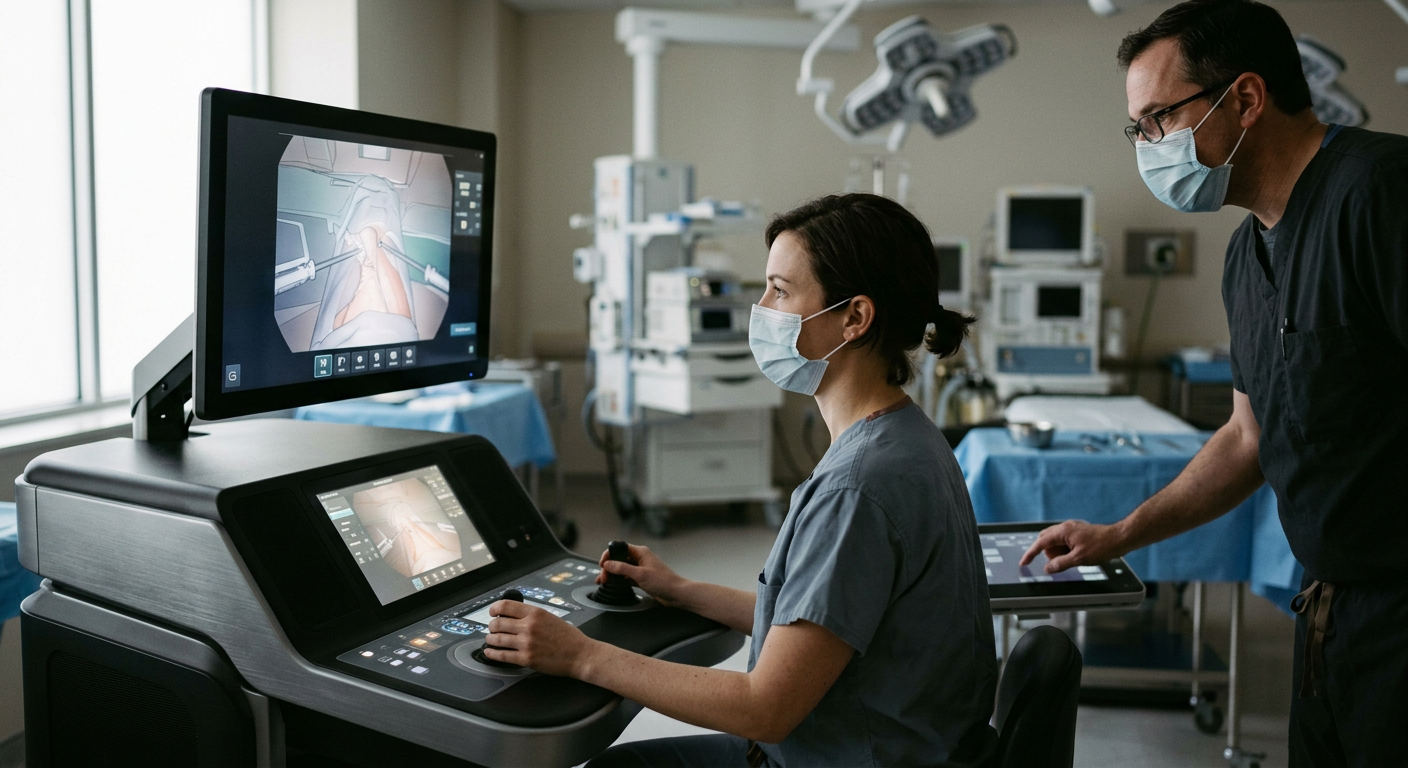
The primary differentiator of the Versius platform is its modular physical architecture. Traditional soft-tissue robotic platforms feature a single, large cart housing multiple robotic arms. These monolithic systems require a significant physical footprint, often demanding dedicated operating rooms because moving the heavy carts between suites is difficult and time-consuming.
In contrast, the Versius system consists of independent, portable robotic arms. Each arm is mounted on its own mobile base and can be moved individually. Clinical teams can select the precise number of arms needed for a specific procedure, ranging from two to four, and position them around the patient. This flexibility allows hospitals to use standard operating tables and configure the surgical suite based on the anatomy of the patient and the preferences of the surgeon.
The modular design also addresses the spatial constraints of smaller operating suites. Many older community hospitals and ambulatory surgery centers were not designed to accommodate massive robotic consoles. By decoupling the arms, the system can be integrated into existing rooms without requiring costly structural renovations. When not in use, the individual arms can be stored in utility closets, freeing up the operating room for traditional open or laparoscopic cases.
Furthermore, the system features an open console design. Unlike closed hoods where the surgeon must press their face into a visor, the Versius console uses a flat 3D screen and lightweight glasses. This setup allows the operating surgeon to maintain peripheral vision and communicate directly with the bedside nursing staff, preserving natural situational awareness within the sterile field.
Capital Expenditure and the ASC Market
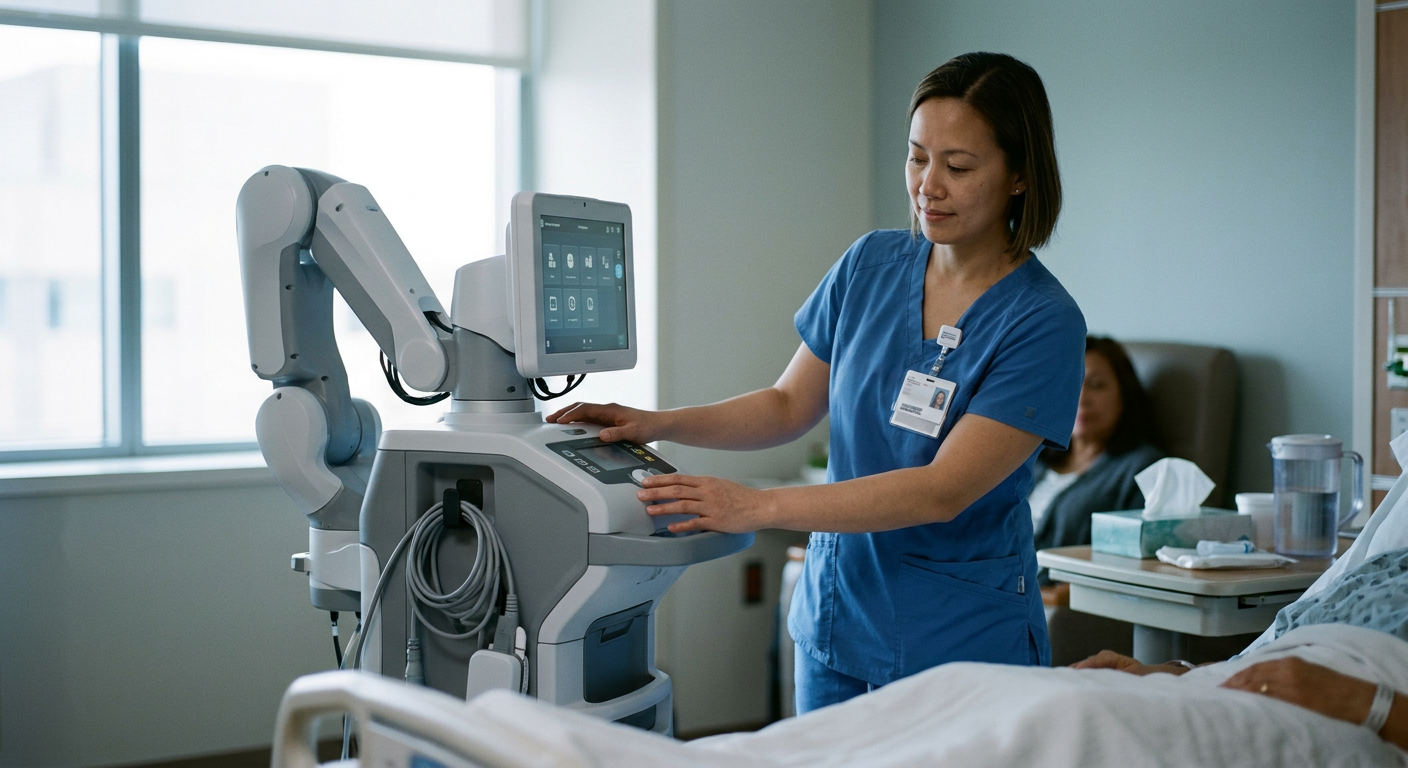
The economics of robotic surgery have historically favored large, well-funded academic medical centers. High-end robotic consoles frequently carry capital costs exceeding two million dollars, excluding annual maintenance contracts and specialized disposable instruments. For mid-tier community hospitals and independent ambulatory surgery centers, these capital requirements are often prohibitive.
The modularity of the Versius system introduces a different economic model. Hospitals can potentially acquire the system with a lower initial capital outlay by purchasing only the necessary components and expanding the system as clinical volume grows. This scalability is particularly attractive to ambulatory surgery centers, which operate on tighter margins and require high equipment utilization rates to remain profitable.
By targeting these smaller facilities, Stryker and CMR Surgical are positioning themselves in a rapidly growing segment of the United States healthcare market. An increasing number of surgical procedures are shifting from inpatient hospital settings to outpatient centers, driven by payer incentives and advancements in minimally invasive techniques. A robotic system that aligns with the physical and financial constraints of these outpatient clinics represents a practical alternative to monolithic systems.
The distribution agreement also enables Stryker to offer comprehensive instrument packages. Because Stryker already manufactures a wide range of laparoscopic tools, visualization towers, and operating room integration software, it can bundle the Versius system with its existing product lines. This capability allows hospital procurement offices to streamline their vendor lists and negotiate comprehensive purchasing agreements, further lowering the barrier to entry for institutions adopting robotic programs.
Source: The HealthTech Signal