Listen instead
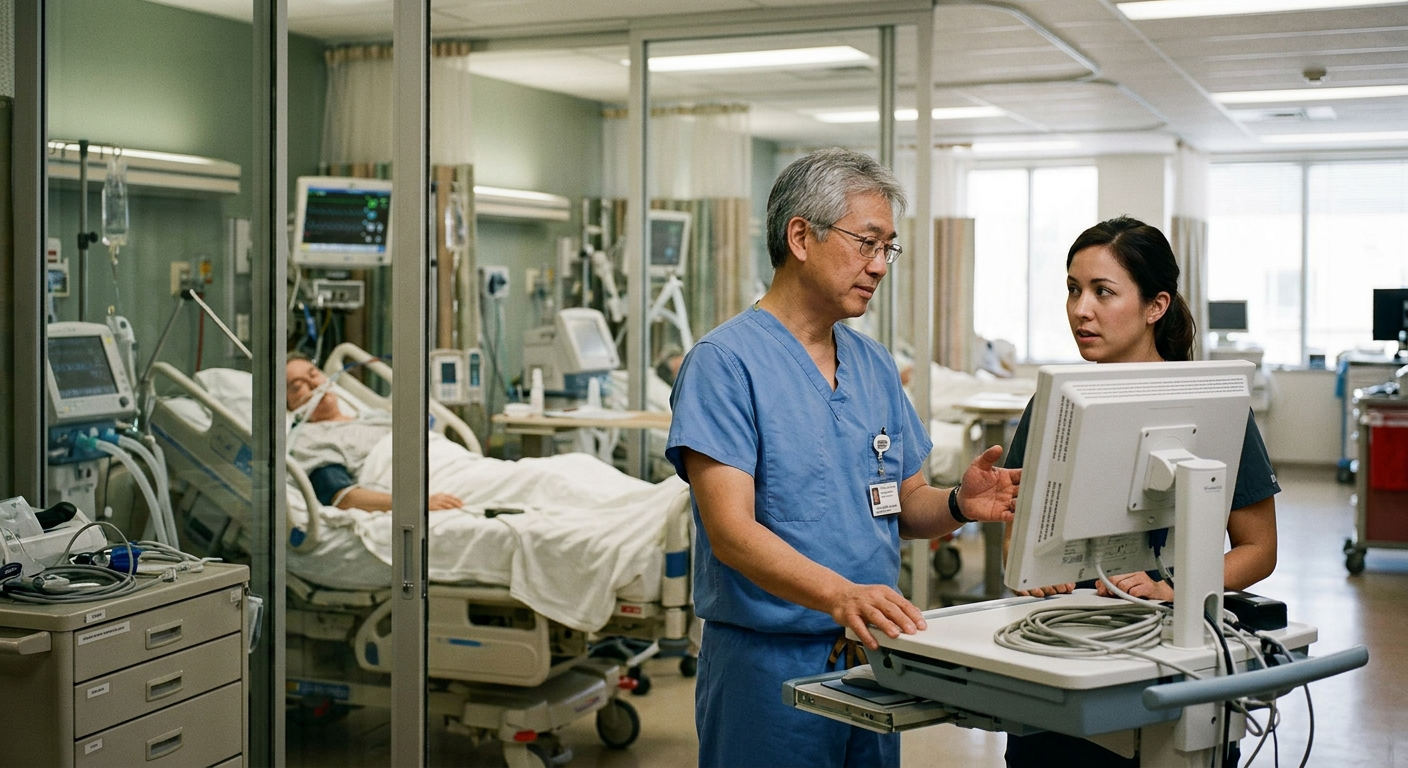
A nurse at a university hospital draws a blood sample from a patient in the early stages of septic shock. In a typical intensive care unit, this sample would go to a central laboratory, returning hours later to inform a reactive treatment adjustment. Under a new research initiative, that blood sample is processed at the bedside within minutes, immediately updating a computational model of the patient's individual immune system.
The University of Vermont Larner College of Medicine has secured a research and development contract valued at up to 38 million dollars from the Advanced Research Projects Agency for Health, or ARPA-H. Funded under the agency's CIRCLE program, the capital supports the development of ReSCUED, a platform that builds real-time physiological digital twins. The project, led by trauma surgeon Dr. Gary An, represents an attempt to deploy predictive computer simulations directly into active life-support environments to personalize immunotherapy and resuscitation for critically ill patients.
Bedside molecular tracking
Treating systemic inflammatory conditions like sepsis, severe burns, and major trauma has long challenged acute care medicine. The human immune response to acute injury is highly dynamic, frequently diverging from standardized clinical protocols. When the immune system overreacts, it can cause tissue damage and organ failure, requiring clinicians to make rapid, high-stakes decisions with limited predictive data.
The ReSCUED platform addresses this challenge by establishing a tight loop of observation and simulation. The system relies on drawing patient blood at six-hour intervals. This frequent data collection captures the rapid shifts in inflammatory markers that characterize critical illness. The resulting molecular data updates a predictive computational digital twin, which acts as a personalized simulation of the patient's current physiological state.
Once updated, the platform uses an artificial intelligence virtual consultant layer to simulate the physiological impact of various federal drug administration approved therapeutics. By running these clinical scenarios in silico, the software projects how the patient's biology might respond to specific therapies before any drug is administered at the bedside. This allows clinicians to evaluate the projected outcomes of multiple intervention strategies based on real-time biological data.
Hardware integration and trial network
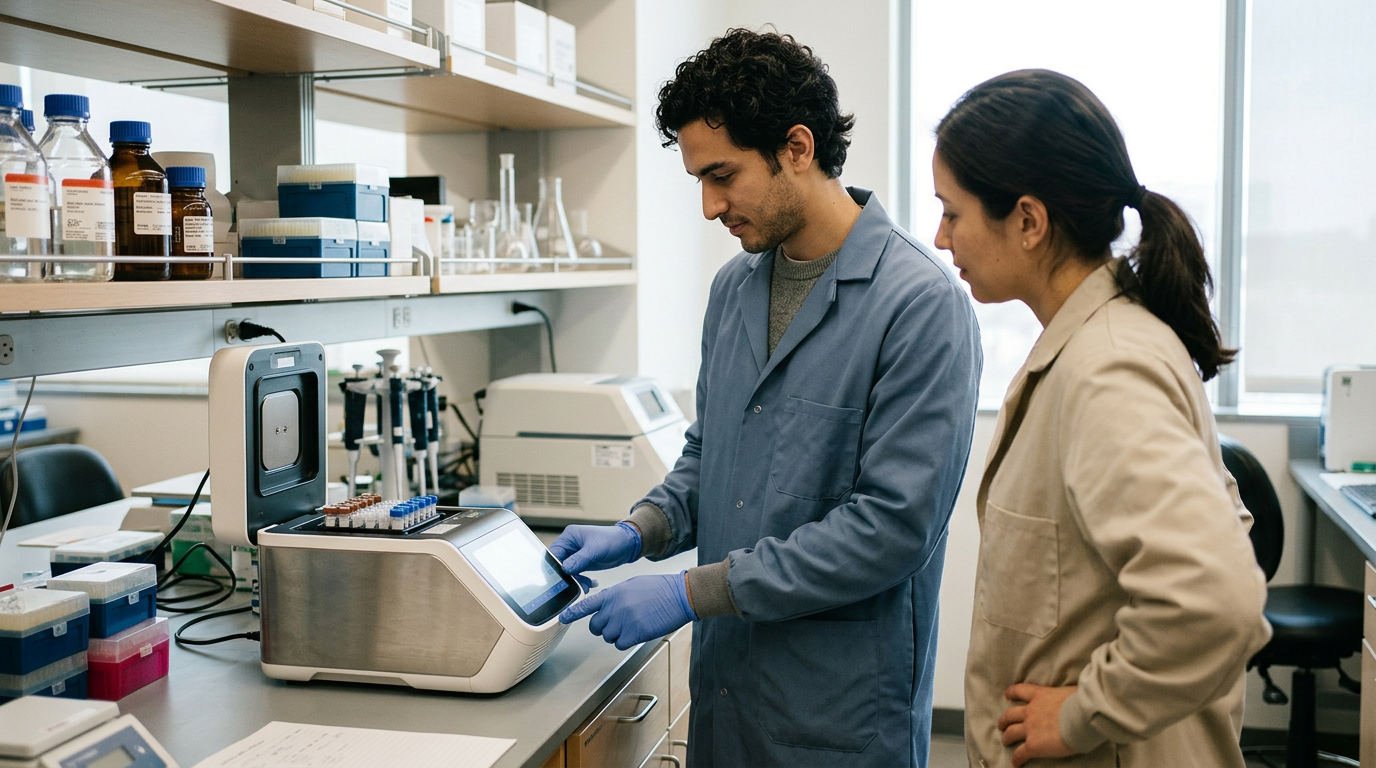
Executing this continuous simulation cycle requires integrating specialized hardware into the demanding workflow of an intensive care unit. The project has partnered with the DNA Medicine Institute to supply bedside molecular testing equipment. This testing technology, which was originally developed for use in space flight, allows clinical staff to analyze blood samples rapidly without relying on a centralized hospital laboratory.
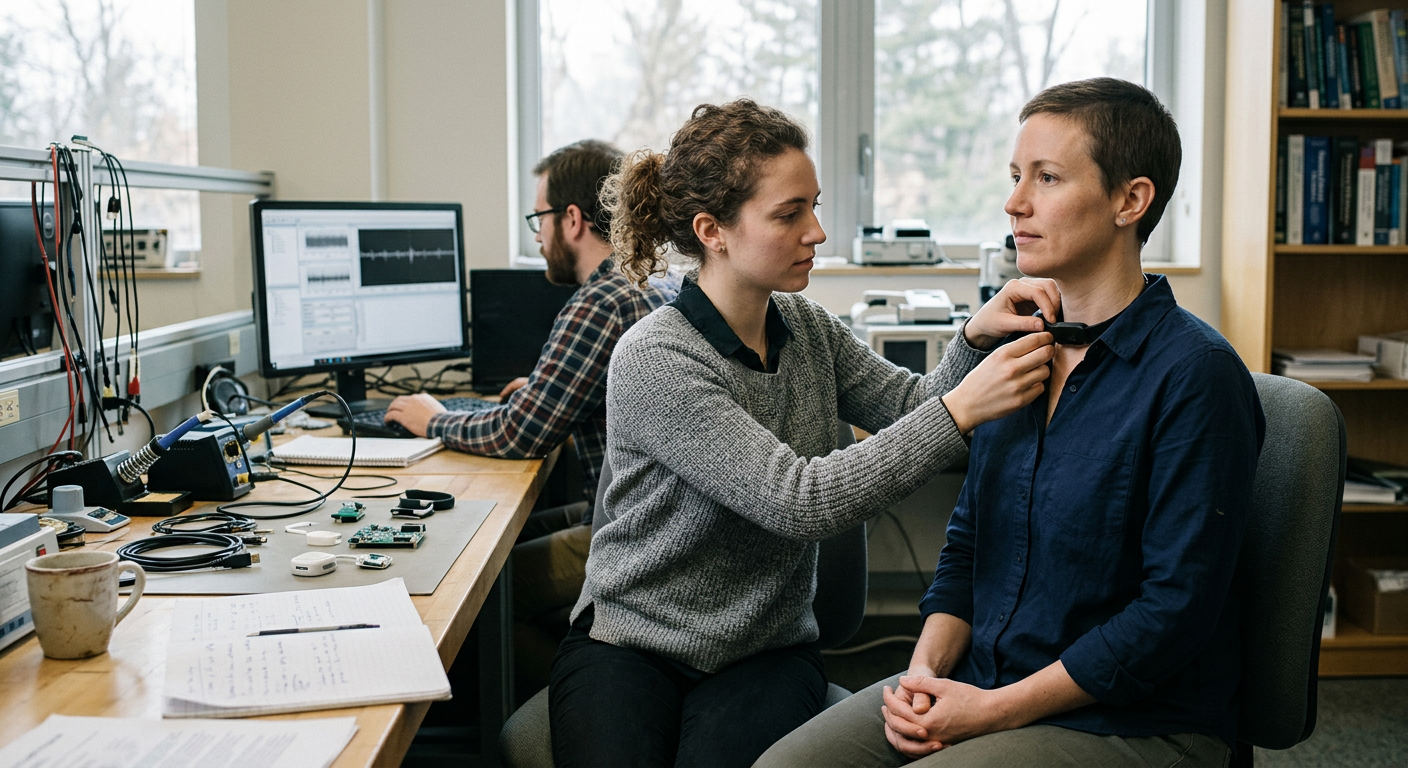
To complement the molecular data, the platform also integrates wearable sensors from InflammaSense. These devices monitor the vagus nerve to track systemic inflammatory tone, providing a continuous stream of physiological data between blood draws. Together, the molecular testing devices and wearable sensors feed the computational models with the continuous data required to maintain the accuracy of the digital twin.
Translating this technology from a research environment to clinical practice involves a multi-center validation process. The academic clinical trials for the ReSCUED platform will span several major medical institutions, including Wake Forest University, the University of Alabama at Birmingham, and Washington University in St. Louis. These trials will test the platform across diverse patient populations and clinical settings to verify its reliability and accuracy.
Shifting the clinical timeline
The operational and financial burden of critical care in the United States is substantial. Sepsis, severe burns, and trauma affect millions of patients annually, representing a major driver of acute care costs. Historically, improving outcomes in these areas has been difficult because traditional treatment guidelines are static, whereas critical illness is highly fluid.
By introducing dynamic simulation to the bedside, the ReSCUED project attempts to shift the application of digital twins from chronic disease management, where they are typically used to track long-term conditions over months or years, into the acute care setting. The primary clinical objective of the project is to achieve a target reduction in intensive care unit length of stay of up to 25 percent. Reducing patient stays by this margin would help alleviate hospital resource constraints and reduce the overall cost of critical care delivery.
Operational hurdles and the path forward
While the technology offers a compelling clinical vision, implementing it within a busy intensive care unit presents significant operational hurdles. Clinical staff already face high cognitive and administrative workloads. Introducing regular six-hour blood draws, wearable sensors, and an AI advisory system requires seamless workflow integration to avoid contributing to clinician fatigue or distraction.
Furthermore, the regulatory and clinical acceptance of AI-generated treatment recommendations remains a complex frontier. Clinicians must understand the reasoning behind the virtual consultant's recommendations to trust them in life-critical situations. The upcoming multi-center trials will be a critical test of whether the predictive models can consistently anticipate patient responses to complex immunotherapies and whether healthcare providers will adopt these computational insights at the bedside.
Source: The HealthTech Signal




