Listen instead
In a quiet rehabilitation room at Sydney Eye Hospital, a man living with Stargardt disease looked through a pair of camera-equipped glasses and picked out a single letter. At his next session, he read a whole word. For most people that is an ordinary moment. For someone whose central vision has been fading for years, it is a small but striking result, and it is the first sign that Science Corporation's PRIMA retinal implant may work beyond the condition it was first built for.
A First Patient Beyond Macular Degeneration
Science Corporation shared the update on October 13. The patient received the implant in May as the first Stargardt participant in the PRIMAlia clinical trial in Australia. According to the company, he recognised a letter during his first rehabilitation session and read a word during his second. Stargardt disease is the most common inherited form of macular degeneration. It usually begins in childhood or early adulthood and gradually damages the light-sensing cells in the centre of the retina, the part of the eye people rely on for reading and recognising faces. There is currently no approved treatment that restores the vision it takes away.
Until now, PRIMA has been studied mainly in geographic atrophy, the advanced dry form of age-related macular degeneration. Moving into an inherited disease gives the platform a second, younger patient group and a different scientific test.
How the PRIMA System Works
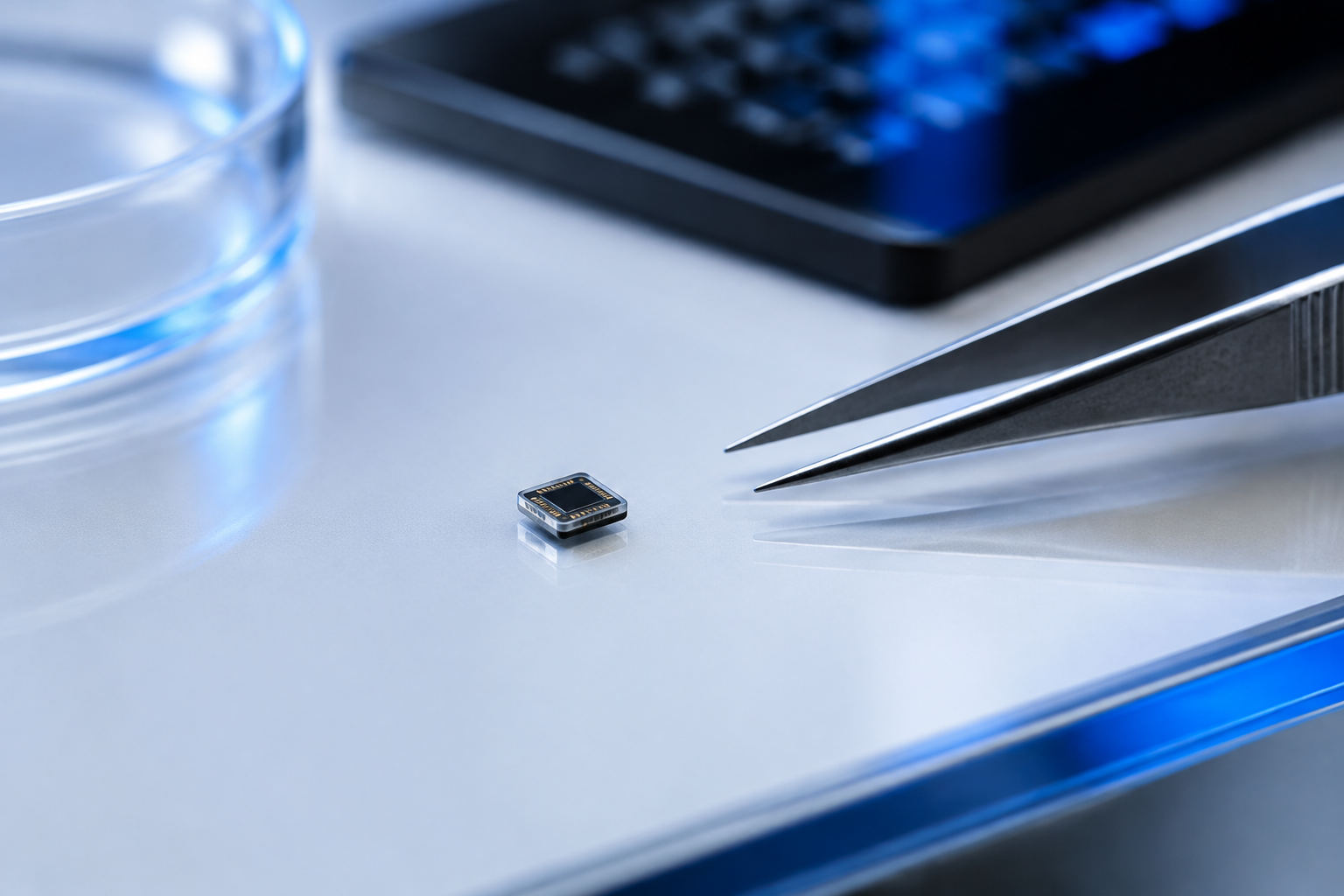
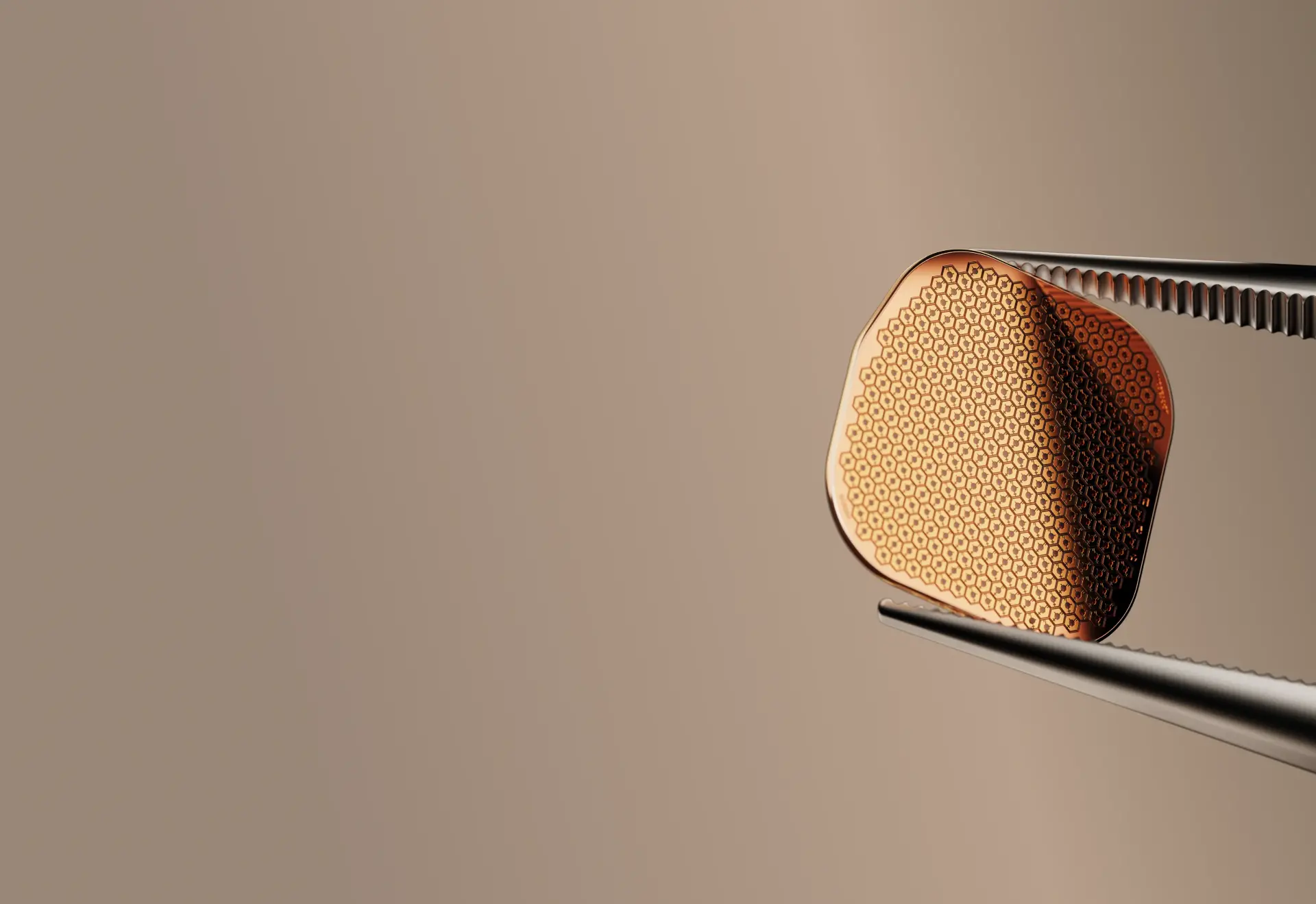
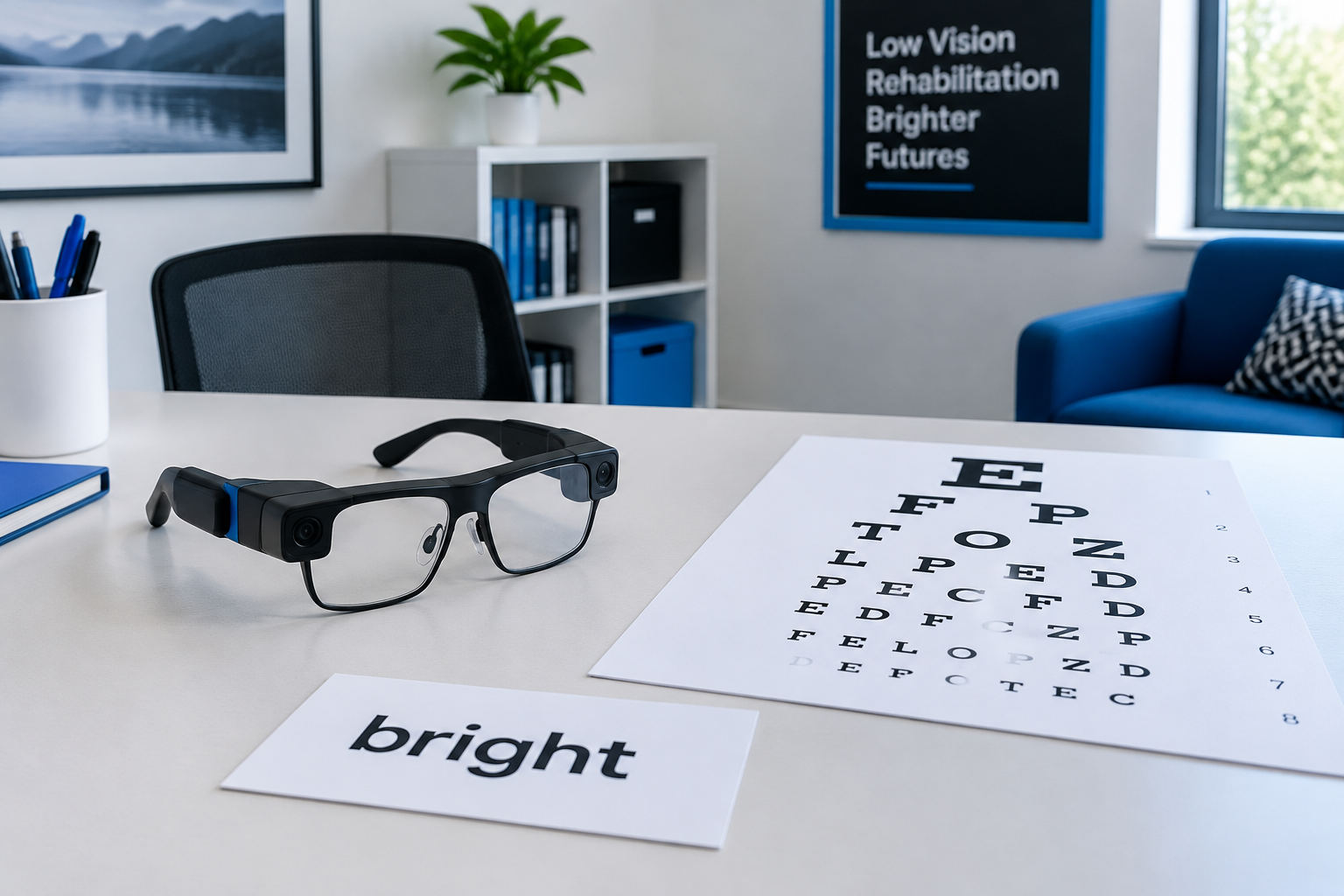
PRIMA has two parts. The first is a wireless photovoltaic chip, roughly two millimetres wide, that sits beneath the retina where damaged photoreceptors used to be. The second is a pair of glasses with a built-in camera. The glasses capture the scene in front of the wearer, process it, and project it onto the chip as near-infrared light. The chip turns that light into small electrical pulses that stimulate the retinal cells that are still working, which then pass the signal along the normal pathway to the brain.
Because the implant is powered by light rather than wires or a battery, the procedure keeps hardware inside the eye to a minimum. Much of the system's capability lives in the glasses and their software, which can adjust zoom, contrast and brightness to help the wearer make sense of what they see.
What the Update Does and Does Not Show
This is an early report from one patient, and it should be read that way. Science Corporation has not yet published standardised visual acuity results for this participant, and a single rehabilitation milestone does not establish lasting benefit across a trial. Learning to use prosthetic vision takes structured training over many weeks, and results in other patients may vary.
The earlier evidence base is stronger. In the PRIMAvera study in geographic atrophy, published in The New England Journal of Medicine in 2025, most participants who completed twelve months of follow-up showed a clinically meaningful improvement in their ability to read letters on a chart. That work is what gives the Stargardt result its weight: it suggests the same approach may carry across diseases that destroy photoreceptors but leave the cells behind them intact.
The Signal
The bigger idea is that different retinal diseases can leave some of the same visual circuitry in place. If a device can work with that shared circuitry, one platform could serve several conditions without correcting each genetic cause on its own. That is a very different path from gene therapy, where every mutation tends to need its own programme.
It also changes where the value sits. With PRIMA, the glasses, the image processing and the rehabilitation programme matter almost as much as the chip itself. Better optics, smarter software and well-designed training could keep improving results for patients long after surgery, much like a software update. For clinics, payers and investors, the next questions are practical ones: how quickly patients learn to read with the system, how durable the gains are, and how rehabilitation can be delivered at scale.
Source: The HealthTech Signal newsletter