Listen instead
A Shift in the Cath Lab
When an interventional cardiologist encounters a patient with a coronary stent that has narrowed, the immediate technical obstacle is space. Deploying a second permanent metal scaffold inside a clogged stent increases the metallic burden in the vessel, elevating the long-term risk of late stent thrombosis and complicating future interventions. For years, clinicians faced a difficult trade-off between stacking metal layers and using standard balloon angioplasty, which carries high rates of recurrence.
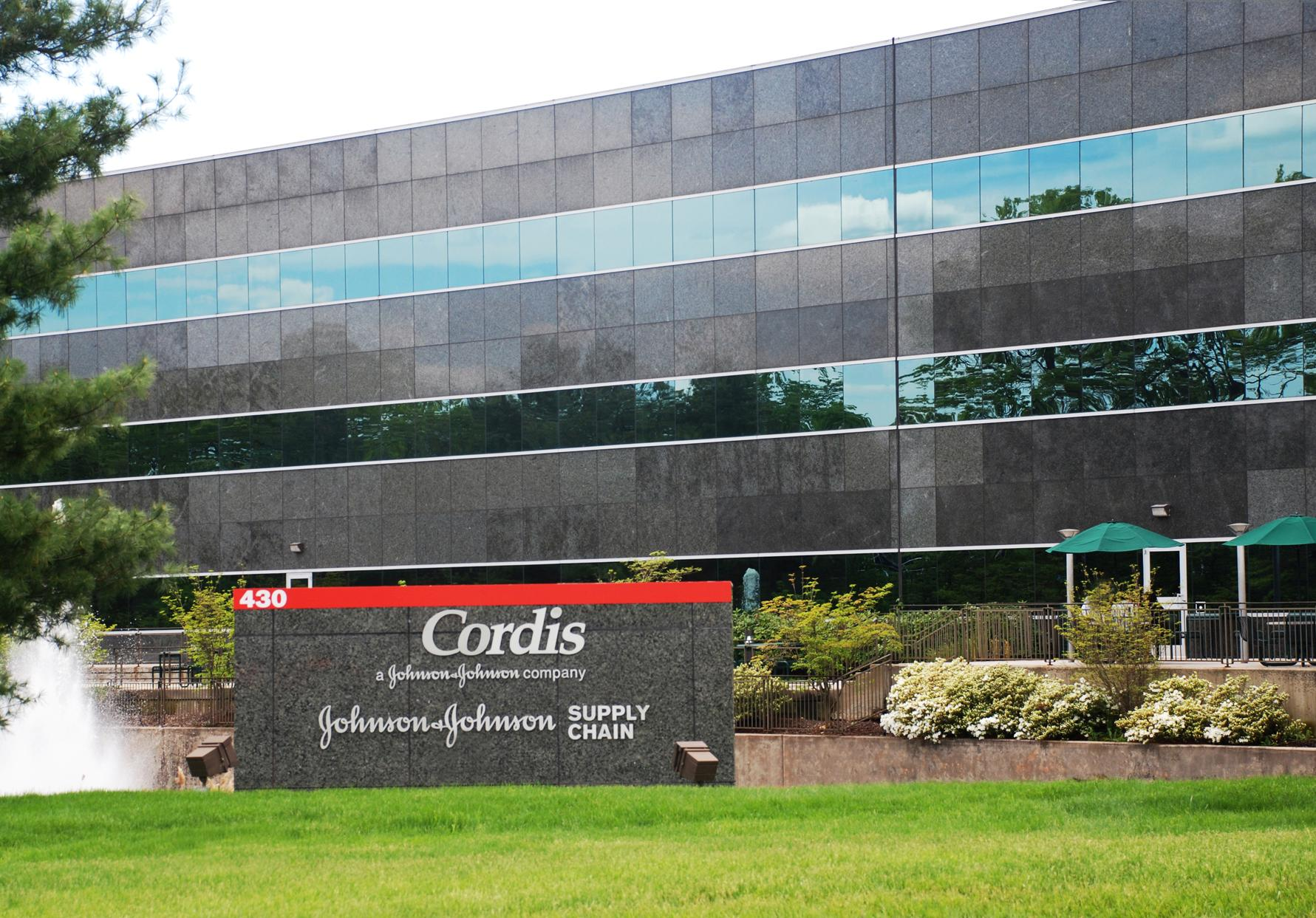
The clinical equation shifted in September 2024 when the Food and Drug Administration approved the Selution SLR Drug-Eluting Balloon for treating coronary in-stent restenosis. Developed by MedAlliance, a Cordis company, the device represents the first sirolimus-eluting balloon approved for coronary applications in the United States. By delivering the anti-proliferative drug sirolimus directly to the vessel wall during inflation, the technology allows clinicians to treat the narrowed segment without leaving behind a permanent metal implant. This approval expands the tools available for managing complex arterial lesions, introducing a mechanism of action that has long been sought in the American interventional market.
Analyzing the Clinical Evidence

The regulatory approval relies on data from the SELUTION4ISR clinical trial. This study randomized 418 patients presenting with coronary in-stent restenosis to receive either the MedAlliance sirolimus-eluting balloon or usual care. In this trial, the usual-care arm represented standard clinical practice in the participating centers, which included treatment with a repeat drug-eluting stent or standard balloon angioplasty.
At the 12-month endpoint, the trial demonstrated that the Selution SLR balloon met its primary endpoint of noninferiority to the combined usual-care strategy. This finding indicates that the drug-eluting balloon can achieve clinical efficacy comparable to existing methods without requiring the placement of additional permanent metal hardware.
However, the data also revealed specific clinical limits. In a subgroup analysis of patients with single-layer restenosis, the published data did not establish noninferiority of the sirolimus balloon when compared directly to repeat stenting alone. This distinction suggests that while the balloon performs well against the overall mix of current standard treatments, its comparative performance may vary depending on the specific characteristics and complexity of the lesion. Clinicians must therefore weigh the benefits of avoiding additional metal against the potential for superior immediate anatomical results from repeat stenting in certain lesion profiles.
Evaluating Clinical and Market Dynamics

The introduction of a sirolimus-based balloon provides interventional cardiologists with an alternative drug profile for local coronary drug delivery. For several years, paclitaxel served as the primary therapeutic agent used in drug-coated balloons, including a paclitaxel-coated coronary balloon approved by the FDA earlier in 2024. Sirolimus, which acts as an immunosuppressant and cytostatic agent, offers a different biological mechanism of action to inhibit tissue regrowth inside the vessel.
From a clinical standpoint, the primary question for operators is identifying which patients and lesion types will benefit most from this new option. Repeat stenting remains a robust solution but carries the long-term risk of multiple metallic layers, which can make future interventions more difficult and may increase the risk of late stent thrombosis. Drug-eluting balloons address this issue by providing a temporary touch of the drug to the vessel wall, leaving only the therapeutic agent behind after the balloon is deflated and removed.
From a market perspective, this approval intensifies competition in the interventional cardiology space. Cordis, through its acquisition of MedAlliance, now holds a distinct asset that can compete directly with established drug-eluting stents and emerging paclitaxel-coated balloons. The clinical preference for sirolimus over paclitaxel in coronary drug-eluting stents has been established for over a decade; whether that preference will translate to drug-coated balloons remains a key commercial question. Hospital purchasing committees will likely scrutinize the cost-effectiveness of the new device compared to traditional drug-eluting stents, which remain highly cost-competitive.
Future Directions and Expanded Indications
The current FDA approval is strictly limited to in-stent restenosis within the specified vessel and lesion sizes designated on the device label. However, the technology is being evaluated for broader clinical applications. MedAlliance has completed patient enrollment in a separate clinical trial evaluating the balloon. This trial enrolled 960 patients to study the safety and efficacy of the sirolimus-eluting balloon in treating new, or de novo, small-vessel coronary lesions.
Whether the device can be safely and effectively used for these smaller, previously untreated vessels represents a future regulatory question. The data from the 960-patient study will be critical in determining if the regulatory indication can be expanded beyond in-stent restenosis. For now, clinicians must focus their use of the device on the approved indication of treating existing stent failures, while keeping an eye on how the clinical evidence evolves for de novo coronary disease.
The expansion into de novo small-vessel lesions represents a significant potential market expansion. Small-vessel disease is notoriously difficult to treat with traditional stents because smaller vessels are more prone to restenosis when stented. If the upcoming trial data supports an expanded indication, the sirolimus-eluting balloon could become a primary therapy for a large patient population, fundamentally altering treatment algorithms in the cath lab and establishing drug-eluting balloons as a front-line therapy rather than a secondary tool for salvage.
Source: The HealthTech Signal