Listen instead
Physical automation in the Bay Area
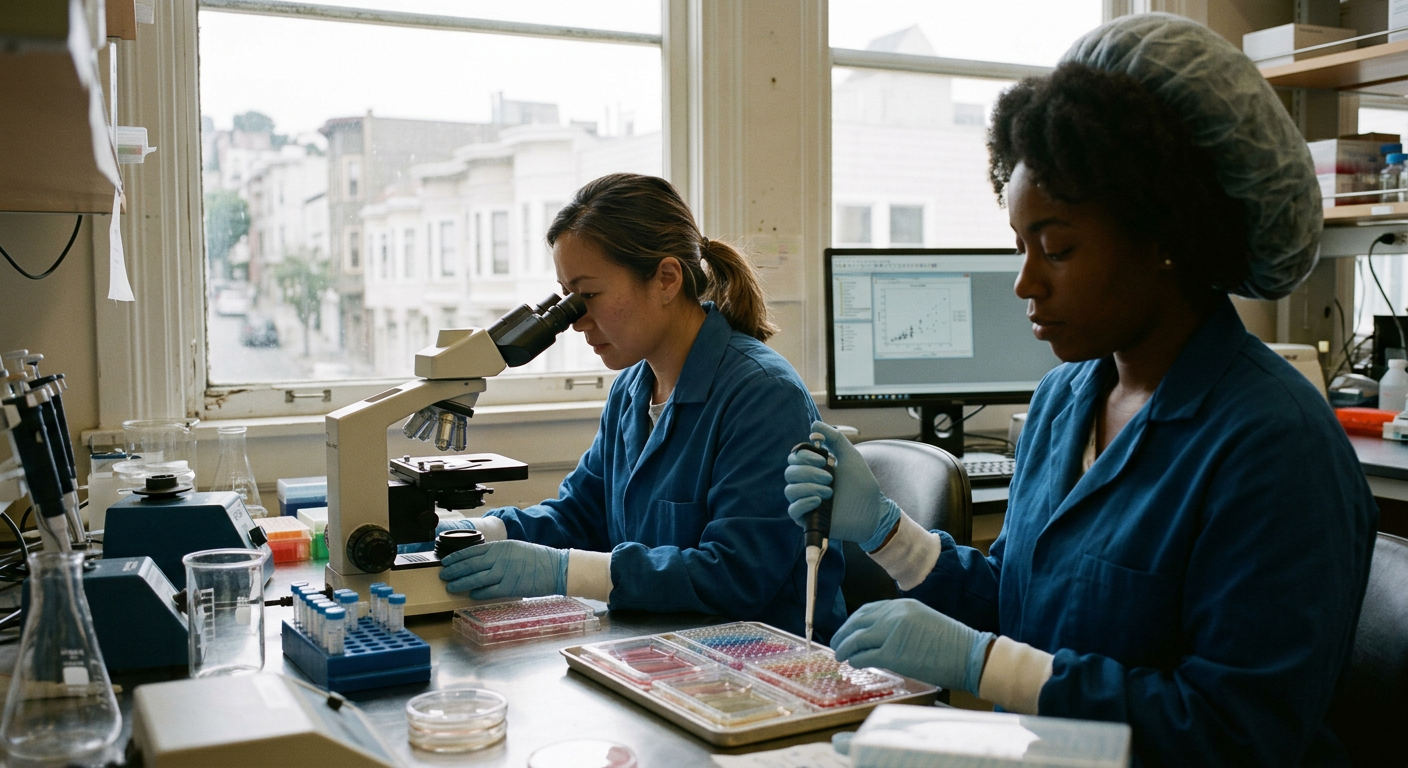
Inside a laboratory, robotic liquid handlers move across multiwell plates, executing instructions generated not by a human technician but by an artificial intelligence model. During a recent proof of concept, researchers at Genentech analyzed experimental plates using these automated standards to observe how digital instructions translate into physical assays. This exercise highlights a broader, fundamental shift among artificial intelligence developers who are moving beyond digital simulations to establish direct control over physical laboratory hardware.
Anthropic has confirmed that it now operates a physical wet lab in the San Francisco Bay Area, representing a significant expansion of its life sciences division. Rather than relying solely on software models or public datasets, the company is establishing its own physical infrastructure to validate its systems. This move follows the acquisition of Coefficient Bio, a startup specializing in automated biology, which was completed in April. Although Anthropic has confirmed the transaction, the company has declined to disclose the financial terms, keeping the capital expenditure of this expansion confidential.
In traditional machine learning, models are trained on static datasets harvested from public repositories or published papers. In biology, however, these datasets are notoriously noisy, inconsistent, and often impossible to replicate. By controlling its own physical wet lab, Anthropic can generate proprietary, standardized datasets under tightly controlled conditions. This closed feedback loop, where the AI generates hypotheses, physical hardware tests them, and the resulting structured data is fed directly back into model training, is designed to systematically reduce error rates.
By building its own physical facilities, Anthropic is addressing a classic bottleneck in computational biology, which is the reliance on third party laboratories to verify digital predictions. The company is currently conducting physical experiments through a combination of its internal Bay Area laboratories and external contract research organizations. This hybrid approach allows the firm to test its models against live biological systems, though the company has not disclosed the physical footprint of its new facility, its current instrument capacity, or the specific therapeutic areas under investigation.
The integrated life sciences stack
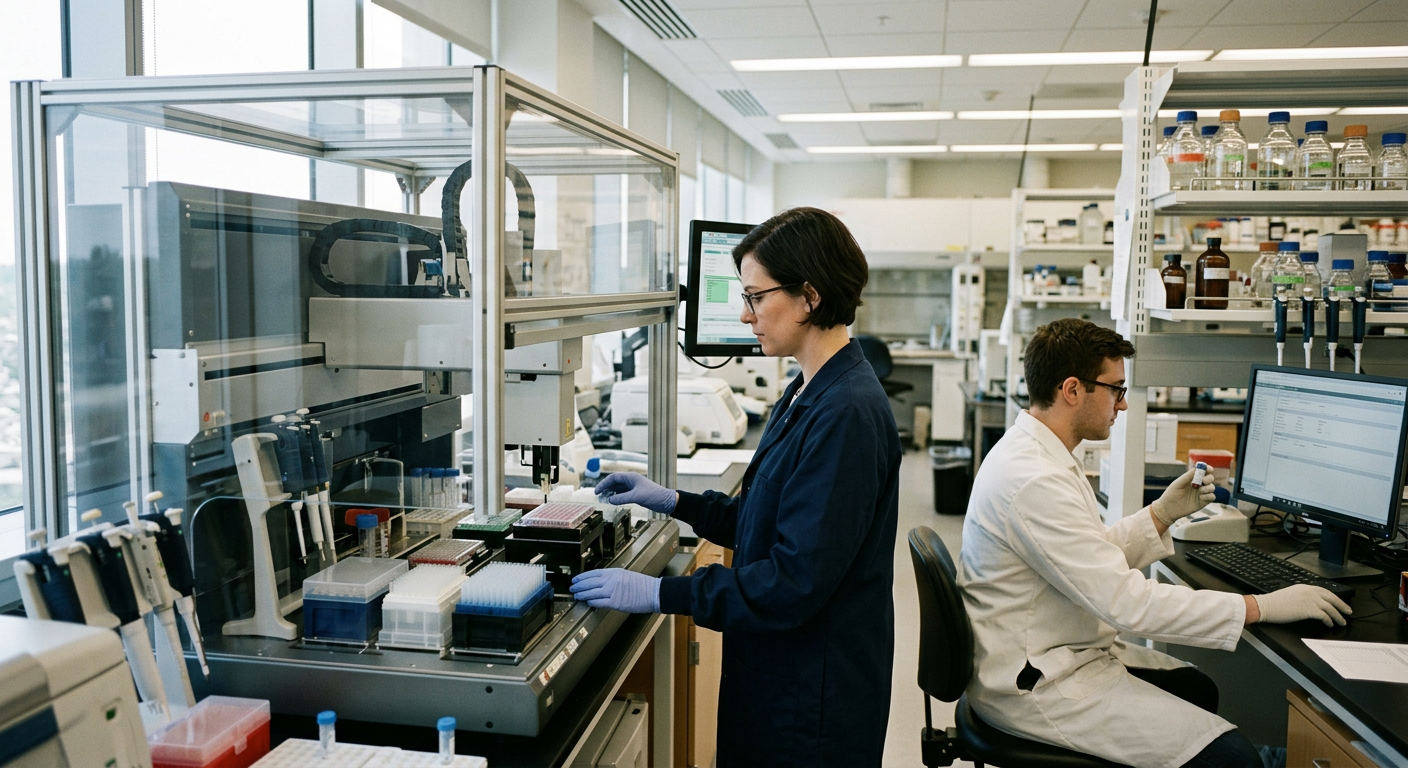
The establishment of a physical wet lab is not an isolated experiment, but rather the physical anchor for a broader suite of proprietary tools. This integrated stack includes Claude Science, which serves as the primary workbench for researchers, and the Life Sciences Verification Program, which validates the accuracy of model outputs. The team from Coefficient Bio has been integrated into this division, bringing hands on experience in laboratory automation and hardware integration to the firm.
The acquisition of Coefficient Bio provides the biological foundation for this effort. Founded by specialists in lab automation, the startup focused on building the software translation layer between computational biology and robotic hardware. By incorporating this team directly into its core research group, Anthropic is attempting to solve the integration problem that has historically plagued computational biology efforts, where software engineers and laboratory scientists often operate in silos.
At the center of this technical architecture is the Model Hardware Standard, an open framework designed to explore how large language models can direct laboratory equipment with minimal human intervention. Currently in a research preview phase, the standard provides a protocol for translating text based model outputs into machine readable instructions for automated pipettes, incubators, and plate readers.
Anthropic has repeatedly emphasized that human scientists remain essential to this workflow. The Model Hardware Standard is structured to require human verification at every critical step of an experiment, preventing the model from initiating physical actions without explicit authorization. This structured oversight is designed to address safety concerns and ensure that laboratory protocols do not deviate from established regulatory guidelines. By keeping human researchers in the loop, Anthropic is positioning its technology as an advanced operational assistant rather than an autonomous laboratory operator.
Operational reality versus market expectations
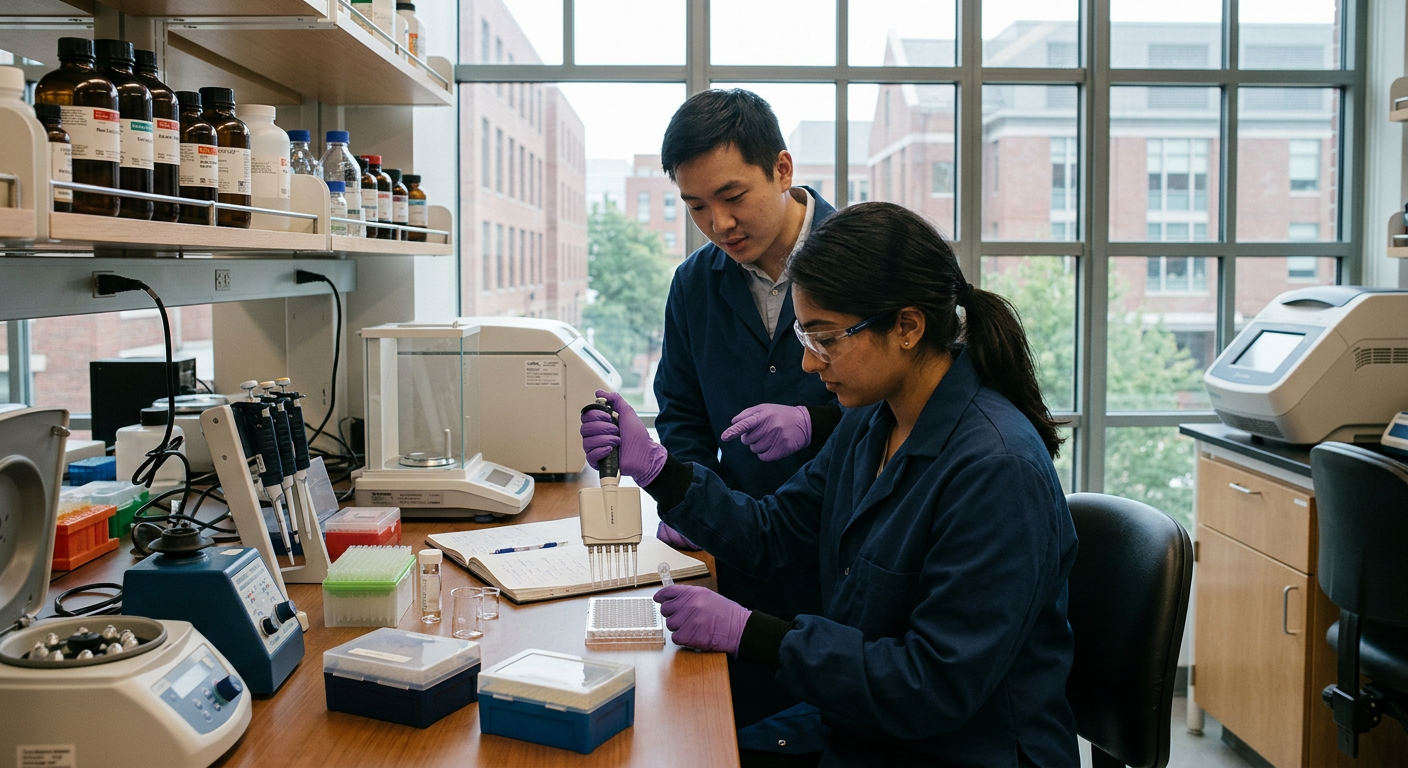
For experienced healthcare technology operators, Anthropic's investment in physical infrastructure serves as an important test of the platform business model in biology. The history of computer aided drug discovery is filled with software platforms that excelled at digital simulations but struggled when confronted with the messy, variable reality of physical wet labs. By establishing its own laboratory, Anthropic is attempting to close the feedback loop between model prediction and physical validation.
However, industry observers must distinguish between platform enablement and therapeutic development. This physical buildout does not represent a completed, closed loop drug discovery engine, nor is it evidence that Anthropic is building its own proprietary pipeline of drug candidates. The company has explicitly stated that its current efforts are focused entirely on preclinical workflows. It is not running clinical trials, nor is it seeking to establish a traditional biotech business model based on drug patents and licensing royalties.
Instead, the integration of the Coefficient Bio team and the development of the Model Hardware Standard suggest a focus on infrastructure. By standardizing how digital models interact with physical automation, Anthropic hopes to lower the barrier to automating complex biological protocols. If successful, this stack could allow external biopharmaceutical partners to accelerate their own discovery timelines by using Anthropic's validated models to orchestrate their laboratories. The near term focus remains strictly on technical validation and research rather than commercial drug development.
What to watch in automated biology
As this hybrid software and hardware infrastructure matures, the metrics of success will differ substantially from those of traditional biotechnology firms. Rather than watching for clinical trial milestones or regulatory approvals, industry analysts should monitor the physical throughput of the laboratory and the reproducibility of the experiments conducted under automated direction.
The adoption rate of the Model Hardware Standard among third party laboratory equipment manufacturers will serve as a key indicator of Anthropic's influence. If major hardware vendors adopt the standard, it could establish Claude as the default operating system for automated laboratories. Additionally, future announcements regarding research partnerships with established pharmaceutical companies will clarify how this preclinical stack integrates with existing commercial discovery pipelines.
Source: The HealthTech Signal