Listen instead
A credit card transaction for 89 dollars on a direct-to-consumer website now bypasses the entire traditional system of American medical procurement. With no doctor's appointment, no insurance prior-authorization form, and no pharmacy counter consultation, a buyer can order a pair of grey plastic discs to be delivered to their home. This is the new retail reality for continuous glucose monitoring in the United States.
On August 31, 2024, Dexcom officially made its Stelo glucose biosensor available for online purchase without a prescription. This commercial rollout follows the clearance of the device by the Food and Drug Administration in March 2024, marking the first time the agency has permitted a continuous glucose monitor to be sold directly to consumers over the counter. The launch represents a significant pivot for a product category that has historically been confined to strict clinical oversight and heavy insurance gating.
A direct-to-consumer distribution model
The commercial design of the Stelo launch reflects a deliberate effort to bypass traditional medical distribution networks. Dexcom is selling the biosensor directly through a dedicated website. Consumers can choose between a one-time purchase of 99 dollars for a 30-day supply, which includes two 15-day sensors, or a recurring monthly subscription priced at 89 dollars.
By selling directly to patients, Dexcom avoids the complex negotiations associated with pharmacy benefit managers and commercial insurance formularies. For the consumer, this model provides price predictability, avoiding the unexpected co-pays and coverage denials that often accompany prescribed medical devices.
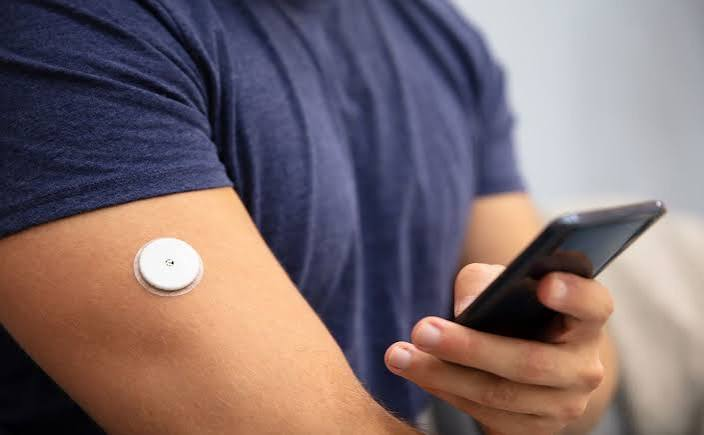
The hardware itself is a modification of Dexcom's existing technology. Each Stelo sensor is applied to the back of the upper arm and remains in place for up to 15 days. A small, flexible wire measures glucose levels in the interstitial fluid just beneath the skin. The sensor transmits these readings every 15 minutes via Bluetooth to a compatible smartphone application.
Crucially, Dexcom has omitted the real-time hypoglycemia and hyperglycemia alarms that define its prescription-only G7 system. For patients who do not take insulin, the risk of rapid, life-threatening drops in blood sugar is low. Removing these alarms reduces the risk of alert fatigue and prevents unnecessary anxiety over normal, post-meal glucose fluctuations. Instead, the application focuses on showing historical trends, helping users understand how specific foods, physical exercises, and sleep habits influence their metabolic baseline over several days.
The shift in market dynamics

The target demographic for Stelo is distinct from the traditional patient base for continuous glucose monitors. According to data from the Centers for Disease Control and Prevention, approximately 38 million Americans have diabetes, and about 90 to 95 percent of them have Type 2 diabetes. Within this group, an estimated 28 million individuals do not use insulin to manage their condition, relying instead on oral medications, lifestyle changes, or other non-insulin therapies.
Historically, commercial insurers and Medicare have restricted coverage of continuous glucose monitors to patients who require intensive insulin therapy, typically defined as multiple daily injections. Consequently, tens of millions of people with Type 2 diabetes have had to rely on traditional finger-stick blood tests, which offer only snapshot measurements rather than continuous trends, or have gone without objective glycemic tracking entirely.
Clinical research suggests that continuous biofeedback can improve metabolic health even in patients who do not use insulin. Studies published in medical journals, including Diabetes Care, indicate that access to continuous glucose data can help individuals lower their HbA1c levels, a key marker of long-term blood sugar control. Seeing real-time visual evidence of a glucose spike after consuming a specific meal provides immediate feedback, which can motivate sustainable changes in diet and daily activity.
From a sector perspective, this product class represents a transition from high-margin, insurance-dependent clinical sales to a volume-driven, cash-paying consumer market. By establishing a price point of roughly three dollars per day, Dexcom is testing the willingness of consumers to pay out of pocket for ongoing health data.
Competitive and clinical implications

The launch of Stelo is the first move in a broader competitive realignment. Abbott, Dexcom's main competitor in the glucose monitoring space, received FDA clearance for its own over-the-counter sensors, named Lingo and Libre Rio, in June 2024.
Both manufacturers are facing a shift in their core business. The domestic market for prescription-only glucose monitors for insulin-dependent patients is reaching maturity. To maintain growth, both companies must expand into the wellness and non-insulin-using Type 2 diabetes segments.
This expansion introduces new operational and clinical challenges. The medical community is observing this transition with a mix of interest and caution. While endocrinologists and primary care physicians generally support patient autonomy, the influx of consumer-generated continuous glucose data presents a practical problem for clinical workflows. Primary care doctors, who manage the majority of patients with Type 2 diabetes, are already facing limited consultation times. They are rarely equipped to review weeks of continuous glucose charts during a standard 15-minute annual physical.
Furthermore, manufacturers must carefully manage the distinction between medical-grade diagnostics and lifestyle wellness tools. If healthy individuals without diabetes begin using these devices for general wellness, they may encounter minor, normal glucose fluctuations that cause undue anxiety. Dexcom's choice to market Stelo specifically to adults with Type 2 diabetes who do not use insulin helps ground the product in a clear clinical need, rather than general wellness speculation.
Source: Dexcom




