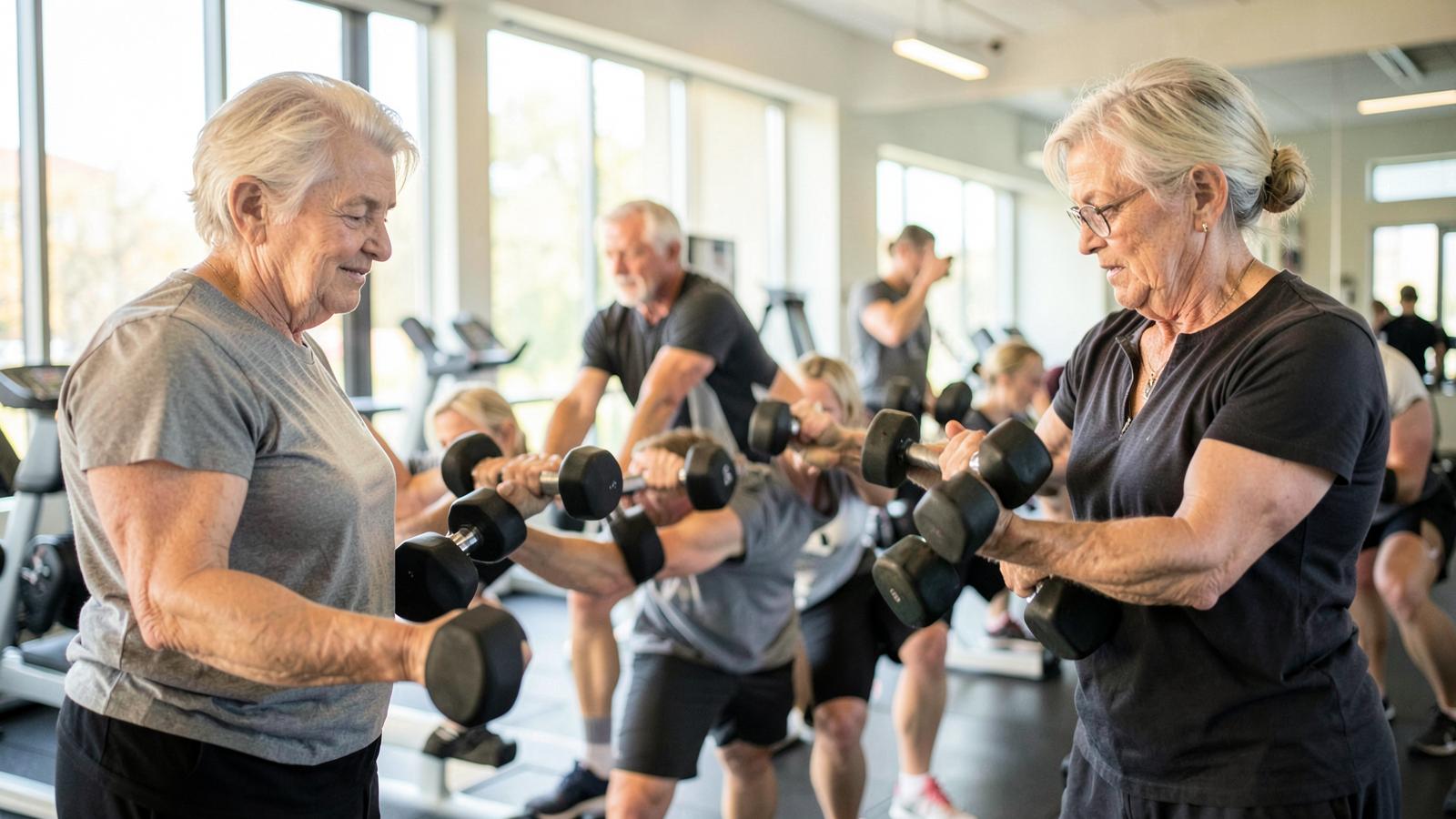
The loss of muscle and bone that accompanies normal aging has a clinical name, sarcopenia when it affects muscle and osteopenia or osteoporosis when it affects bone, and increasingly a combined term, osteosarcopenia, when both occur together, as they often do. For decades this was treated in most health systems as an inevitability to be managed after a fracture or a fall, rather than a condition to be actively prevented years in advance. A newer category of clinical strength training centres is trying to change that sequencing, positioning structured resistance exercise as a prescribed medical intervention rather than a general wellness recommendation buried in a single line of an annual physical.
The clinical logic behind this shift is well established even if the delivery model is new. Muscle mass and bone density both peak in early adulthood and decline gradually thereafter, with the rate of decline accelerating in the decades after fifty, particularly for bone density in women after menopause. Resistance training that applies progressive mechanical load to muscles and the skeleton is one of the few interventions with consistent evidence for slowing, and in some cases partially reversing, that decline, more so than aerobic exercise alone or general activity recommendations.
Why this looks different from a normal gym
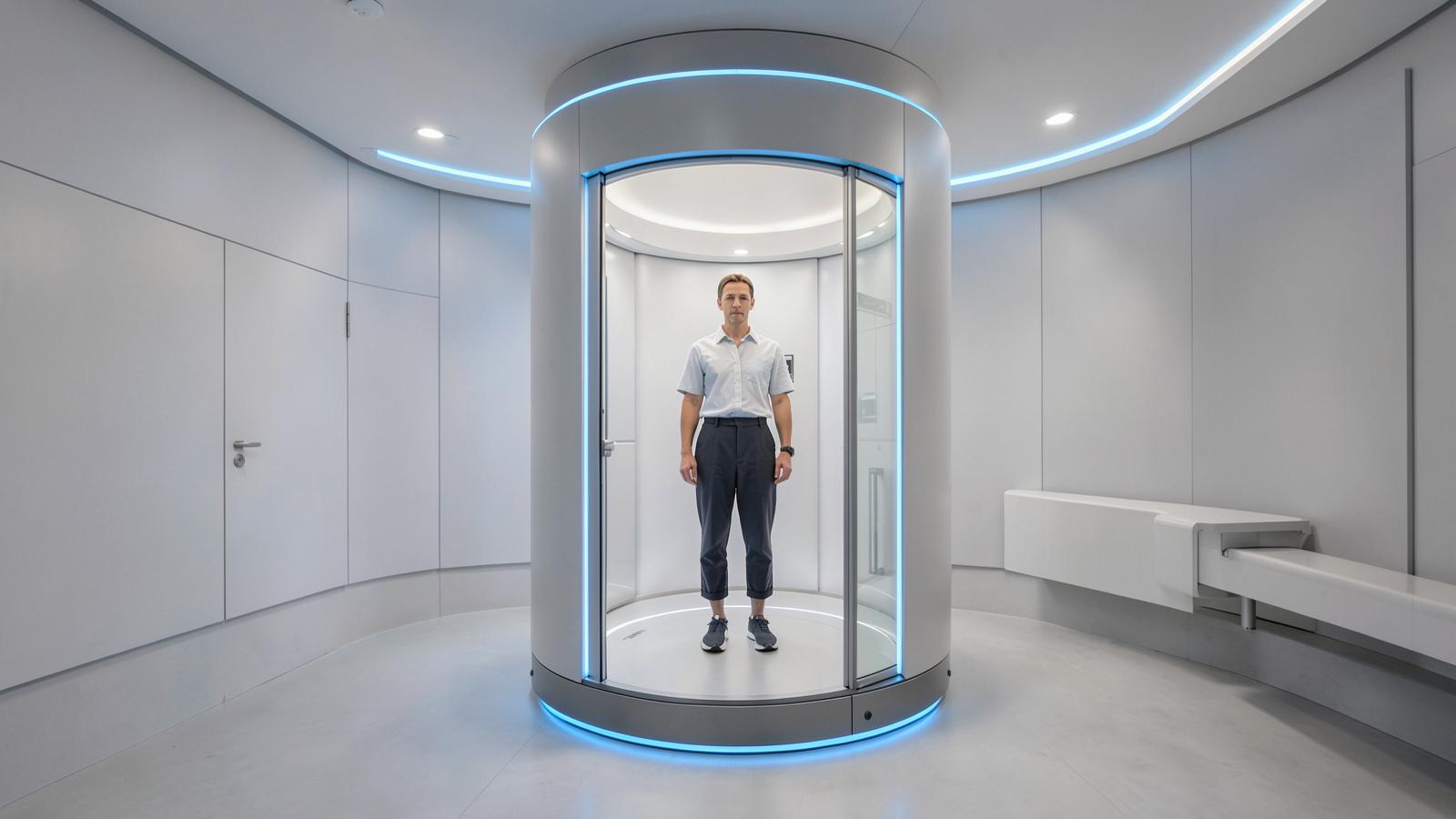
What distinguishes the newer strength focused clinics from a standard fitness centre is the clinical framing: intake typically includes some form of body composition or strength assessment, programs are built around progressive overload principles tailored to an individual's baseline capacity, and in some models a physical therapist or exercise physiologist is involved in program design rather than a general fitness instructor. Several of these clinics have begun positioning themselves explicitly toward an older adult and midlife demographic, marketing the offering around fall prevention, bone density and functional independence rather than aesthetics, which is a meaningfully different value proposition than the traditional gym pitch.
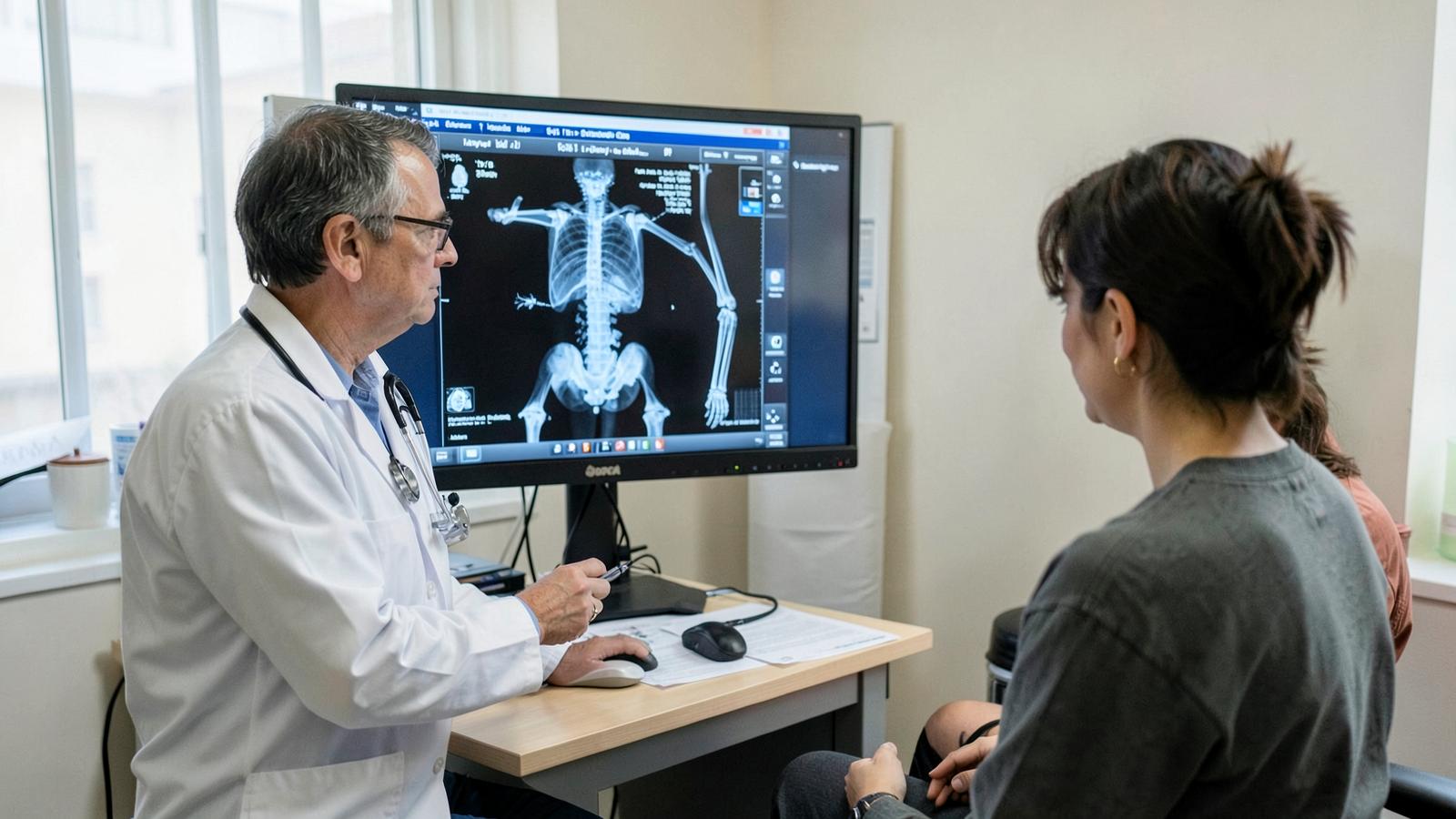
This reframing matters commercially because it opens a different conversation with payers and physicians than a standard fitness membership ever could. A gym membership is discretionary spending. A physical therapy referral or a physician recommended strength program for a patient with early osteopenia is, at least in principle, a clinical intervention that could sit closer to a reimbursable service, even if most current insurance structures do not yet treat it that way consistently.
The reimbursement gap remains the binding constraint
Despite the clinical rationale, most resistance training aimed at preventing osteosarcopenia in otherwise healthy midlife and older adults is paid for out of pocket. Insurance coverage for physical therapy typically requires a specific diagnosis and a time limited course of treatment tied to a functional deficit, not an ongoing preventive strength program for someone who has not yet had a fracture or a diagnosed loss of function. That leaves a gap between what the evidence supports as good preventive practice and what payment systems are currently built to fund, similar to the gap that has slowed reimbursement for other preventive interventions with strong long term evidence but no acute triggering event.
Some employer wellness programs and a handful of value based primary care models have begun experimenting with subsidising structured strength programs for at risk employees or patients, treating it as a long term cost avoidance play against fall related injuries and fracture related hospitalisations, which are expensive and often trigger a cascade of further functional decline. Whether this becomes a broader trend depends partly on whether these programs can generate their own outcomes data showing reduced fall and fracture rates over a multi year horizon, evidence that is harder to produce than a single clinical trial because it requires sustained engagement and long follow up.

What a credible clinical strength model requires
For this category to mature beyond a wellness trend, operators will need to invest in exactly the kind of measurement that separates a clinical intervention from a fitness product: baseline and follow up assessments of strength and, where feasible, bone density, individualised progression rather than one size fits all class formats, and enough clinical oversight to safely program for patients with existing joint issues, osteoporosis diagnoses or cardiovascular risk factors. The clinics doing this well tend to look less like a boutique gym and more like a hybrid between physical therapy and personal training, with a genuine assessment and progression framework behind the workouts rather than a fixed class schedule.
Key Signals
Osteosarcopenia, the combined loss of muscle and bone mass with age, has strong supporting evidence for resistance training as a preventive intervention, yet most healthcare systems have historically treated it as something to manage only after a fracture or fall occurs. A new category of clinically oriented strength training centres is trying to reposition resistance exercise as a prescribed preventive intervention, with structured assessment and progressive programming rather than a general fitness membership. Reimbursement remains the binding constraint on this model, since most insurance structures fund physical therapy only after a diagnosed deficit rather than as ongoing prevention in an otherwise healthy person. The category's long term credibility will depend on operators generating real outcomes data on fall and fracture reduction, evidence that requires years of sustained follow up rather than a single short trial.