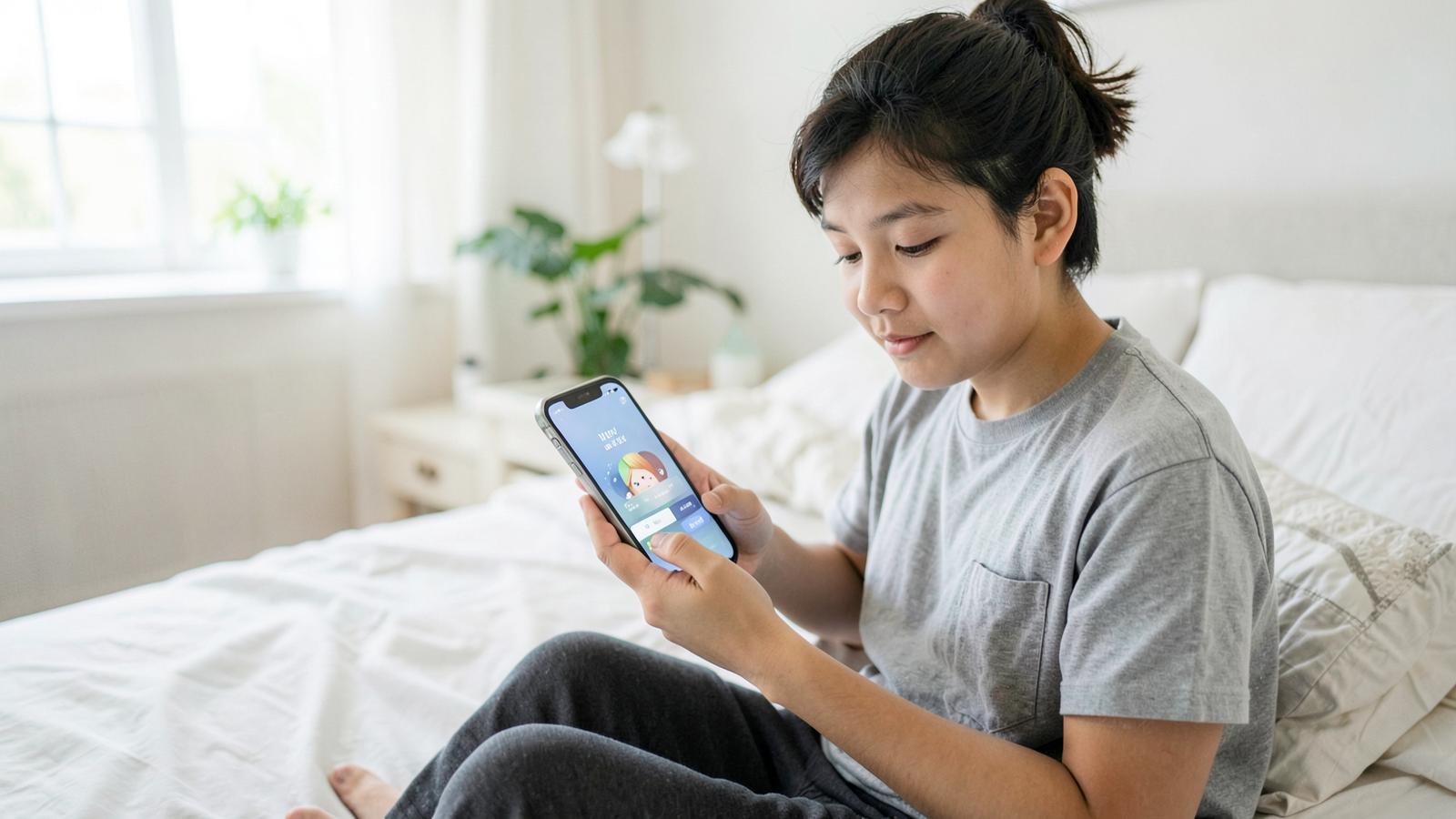
App marketplaces list many thousands of products under broad categories like mental wellness, mood tracking, and meditation, and the overwhelming majority of them fall entirely outside FDA jurisdiction because they do not claim to diagnose or treat a specific medical condition. That regulatory carve out, sensible in principle for a genuinely low risk relaxation or journaling app, has become harder to defend as consumer wellbeing apps have grown more sophisticated in the claims they make, some describing specific mental health benefits, symptom improvement, or even crisis support features, without any external body verifying those claims before the app reaches a user's phone.
The gap this creates is well recognized among clinicians, researchers, and increasingly among app store operators themselves, but it has been slow to close because no single institution has clear authority or resources to review the sheer volume of apps entering the market continuously. Academic evaluation efforts have made progress publishing structured reviews of specific app categories, but the pace of publication in peer reviewed journals is far slower than the pace at which new apps launch and existing ones update their features and claims.
Why self reported evidence is not enough
Many consumer wellbeing apps do publish some evidence of effectiveness, typically an internally conducted user survey or a small study run without independent oversight, and present it prominently in marketing material. The problem is not that such evidence is necessarily fabricated, but that a company evaluating its own product without independent methodology, pre-registration, or peer review faces obvious incentive problems, and consumers and even clinicians recommending apps to patients generally have no straightforward way to distinguish a company sponsored study conducted with rigor from one designed primarily to support a marketing claim.
This has real consequences beyond wasted consumer spending on an app that does not work as advertised. Some consumer wellbeing apps market themselves in ways that could plausibly delay a person from seeking clinical care for a condition that genuinely needs it, if the marketing implies a level of therapeutic benefit the product cannot actually deliver. Clinicians report a recurring pattern of patients arriving having tried several wellness apps for a condition like clinical depression before finally seeking professional treatment, a delay that may or may not have been influenced by app marketing claims but that highlights the stakes of getting evidentiary standards right in this category.

Independent review efforts trying to fill the gap
In the absence of a regulatory floor, several independent evaluation initiatives, some run by academic medical centers, some by professional associations, and some by nonprofit organizations focused specifically on digital mental health, have built structured frameworks for assessing consumer wellbeing apps against criteria such as whether privacy practices are transparent, whether any effectiveness claims are backed by evidence that meets a defined methodological bar, and whether the app has clear safety protocols for situations where a user shows signs of crisis despite the app not being designed as a treatment tool. These frameworks are typically voluntary, and app makers can generally ignore them without consequence, but they are gradually becoming a reference point that health systems, employers selecting wellness benefits, and some app store curation processes are beginning to draw on when deciding which apps to recommend or feature.
The commercial incentive is starting to shift
There are early signs that some consumer wellbeing app makers are treating independent evaluation as a competitive advantage rather than a burden, seeking out these voluntary review processes proactively and publicizing favorable results, similar to how food and consumer products have long sought third party certifications as a market differentiator. Whether this becomes the norm across the category or remains limited to a subset of more clinically minded companies depends heavily on whether buyers, particularly employers and health systems making purchasing decisions at scale, start consistently asking for evidence of independent review before adopting a wellness app into a formal benefit offering.

Key Signals
The vast majority of consumer mental wellness apps fall outside FDA jurisdiction, creating a large and growing category where effectiveness and safety claims are made with no external verification. Company sponsored studies, while not necessarily dishonest, carry inherent incentive problems that make them a poor substitute for independent evaluation, and consumers generally lack the tools to distinguish rigorous evidence from marketing supported research. Independent, voluntary evaluation frameworks are emerging to fill this gap and are gradually becoming reference points for health systems and employers, even though most app makers face no consequence for ignoring them. The category's evidentiary standards will likely improve fastest if institutional buyers, rather than individual consumers, begin consistently demanding independent review before including a wellness app in a formal benefit or clinical recommendation.